
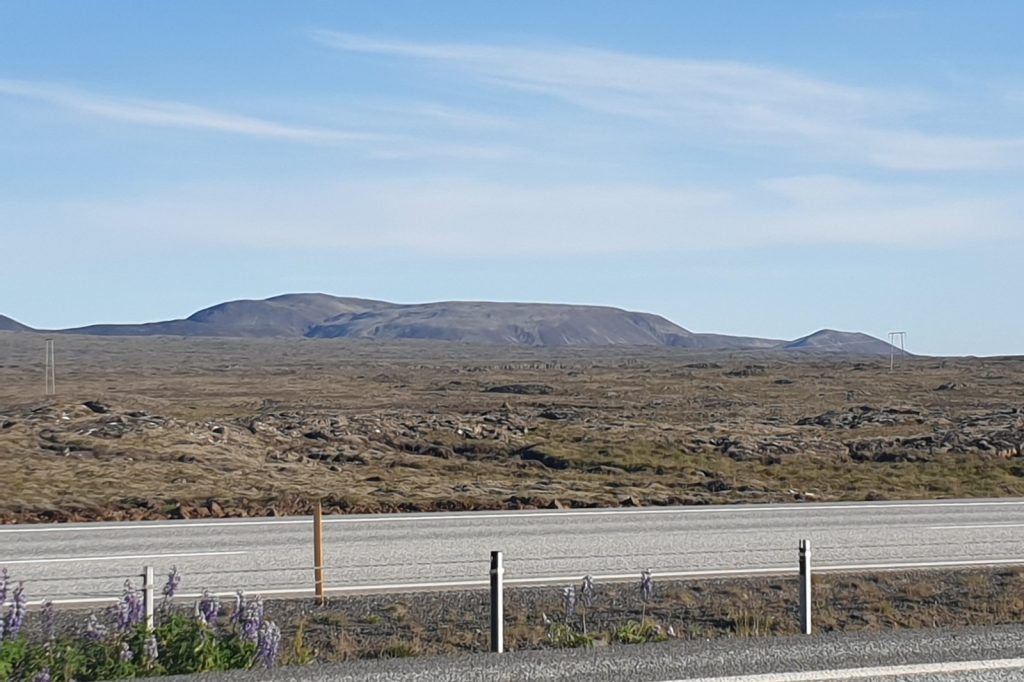
The Icelandic Meteorological Office has raised a volcano warning after detecting approximately 2,200 earthquakes in a concentrated period near Reykjavík. The swarm of tremors, centered on the Fagradalsfjall volcanic system, indicates pressure building beneath the surface, prompting officials to issue an aviation safety alert as a standard precaution.
Fagradalsfjall, located on the Reykjanes Peninsula southwest of the capital, has a recent history of eruption. In 2021, a relatively gentle eruption there attracted hikers who traversed lava fields to observe molten rock. That event produced no significant ash cloud.
However, the current unrest may differ, and the aviation alert serves as a preemptive measure. Large ash clouds can severely damage jet engines, as demonstrated by the 2010 Eyjafjallajökull eruption, which grounded over 100,000 flights and incurred billions in costs.
The Meteorological Office, responsible for monitoring volcano seismology and ground deformation, works closely with civil protection authorities. Its upgraded systems and tighter coordination with international aviation bodies reflect lessons learned from past crises. The island remains one of Earth’s most volcanically active regions, situated atop a hot spot and a mid-Atlantic rift. The recorded earthquakes vary in intensity.
Some are barely perceptible, while others are strong enough to rouse residents. The concentrated nature of the swarm points to a specific area of magma intrusion, a signal that can precede an eruption by days or weeks.
The office has not forecast an exact date but stated the situation is under close observation. Civil protection agencies are on standby. Evacuation plans are under review, emergency shelters are being prepared, and roads near the volcano are monitored.
Although the immediate vicinity is sparsely populated, Reykjavík lies approximately 40 kilometers away. Significant lava flow could potentially sever roads or threaten infrastructure.
Authorities act before an eruption begins, preparing while seismic activity continues. Volcanic eruptions can cause severe environmental damage, burning vegetation, altering landscapes, and releasing gases. Yet they also create new land, a process through which Iceland itself formed.
This duality is a constant reality for residents. For now, the warning remains active, and the earthquakes persist.
The Meteorological Office continues its monitoring, and the aviation alert stands as a reminder of Iceland’s dynamic geology. Tourists may feel alarm, but locals are accustomed to the routine. The volcano ultimately determines the timing of any eruption.




