
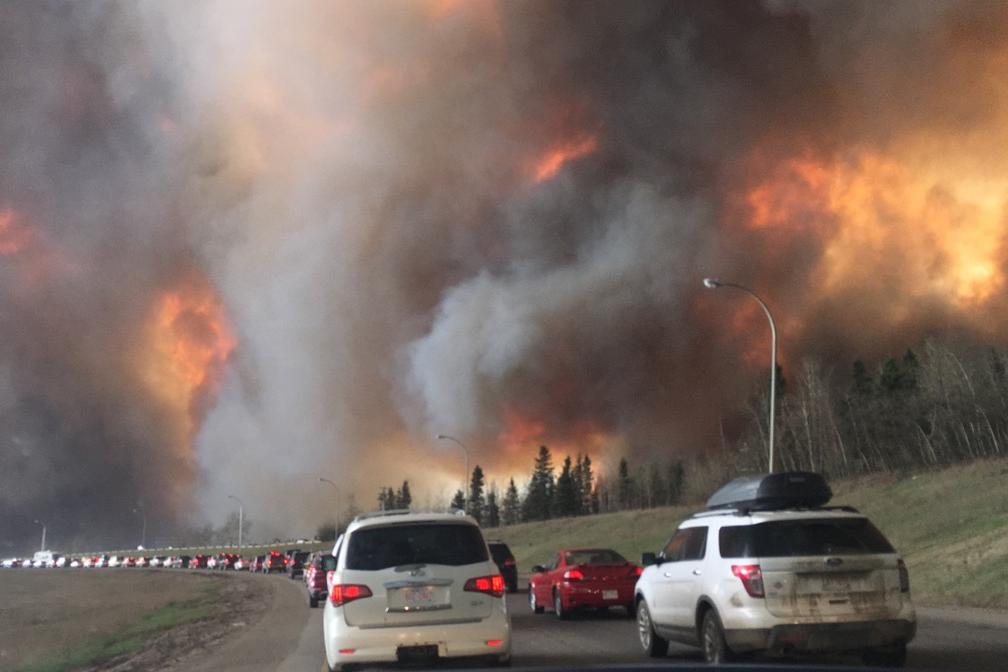
EDMONTON — The math is brutal. Fires burning through northern Alberta have knocked out 344,000 barrels of daily crude production. That is 7% of Canada’s total output.
And the flames are still moving. Nearly half a million barrels a day of capacity — 470,000 — sits in the path of the wildfires.
Major producers like Cenovus, MEG Energy, and Canadian Natural have shut down or throttled back operations. The risk is not over. Analysts say lasting damage or extended shutdowns could ripple across the continent for months.
This is not a single blow. It is a double crisis.
While the fires raged, newly expanded U.S. sanctions forced the permanent closure of Canada’s only cobalt refinery. That facility is gone for good. The one-two punch hits both energy and critical mineral supply chains at the same time.
Here is the core problem: U.S. refineries depend on Canadian imports for 60% of their crude needs. With 344,000 barrels a day suddenly missing, those refineries face sharply higher costs as they scramble for alternatives. The timing is brutal.
Global energy markets are already stretched thin. Shell issued a force majeure at its 300,000 barrel per day Scotford upgrader in Alberta after a unit tripped.
That plant processes oil sands bitumen. It is a separate blow on top of the wildfire disruptions. Force majeure means Shell is off the hook for contractual deliveries — it cannot produce because of events outside its control.
Wildfires in Canada are now mimicking the supply disruptions caused by geopolitical sanctions in other oil-producing regions. Supply tightness is the watchword.
Every barrel lost in Alberta puts upward pressure on prices across North America. The cobalt refinery shutdown adds a different kind of pain. Cobalt is essential for batteries — electric vehicle batteries, consumer electronics, industrial applications.
Canada had exactly one refinery processing the stuff. Now it has zero. The sanctions closed it permanently.
No timeline for replacement exists. Investors should pay attention to what happens next.
The fires are not contained. Evacuation orders remain in place in several areas. Producers cannot simply flip a switch and restart.
Shutdowns of this scale require inspections, repairs, and safety checks before production resumes. Some facilities may have sustained damage.
Some may stay offline for weeks or months. The double crisis exposes a fragile link in North American energy infrastructure. One province, one fire season, one set of sanctions — and critical supply chains buckle.
Alberta produces the bulk of Canada’s oil. When that production stops, the whole continent feels it. U.S. refineries have limited options to replace Canadian heavy crude.
They can buy from Venezuela or the Middle East, but those barrels cost more and take longer to arrive. This is what a supply shock looks like.
Real. Measurable. 344,000 barrels a day offline today. The number could climb higher if the fires keep spreading.
Analysts warn the effects will be felt for months, not weeks. Energy markets hate uncertainty.
Alberta is delivering plenty of it right now.




