
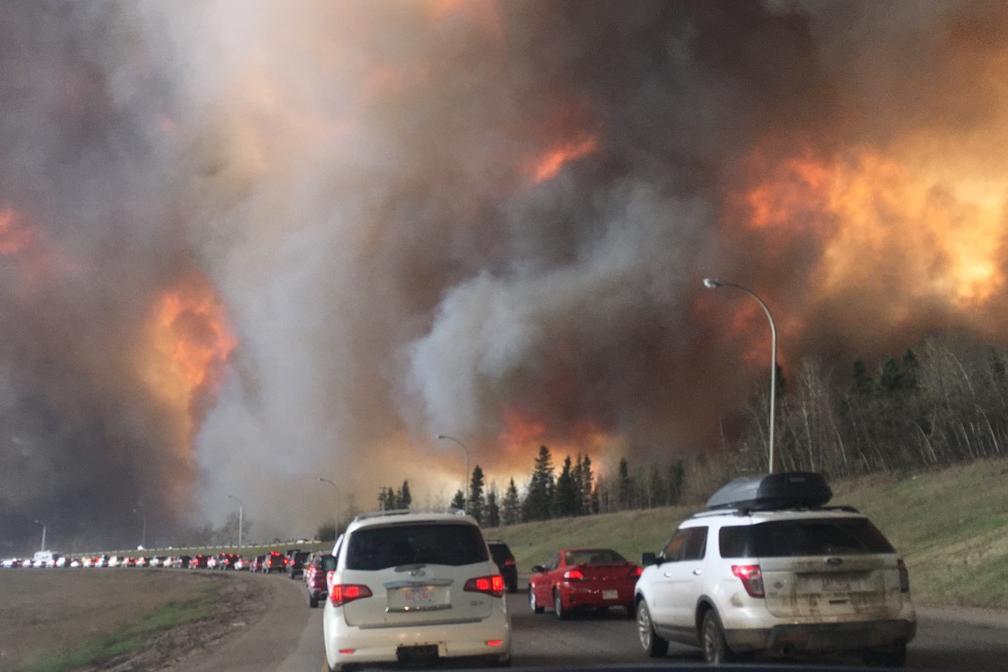
The math is simple, and the math is brutal. 344,000 barrels per day. That is what the wildfires have already taken offline. That is 7% of everything Canada pumps.
And the flames are still moving. Alberta’s oil patch is burning.
Major producers have shut in production. Cenovus, MEG Energy, Canadian Natural — all hit. The fires are closing in on 470,000 barrels per day of capacity.
That is not a hypothetical. That is the next number to watch.
If the wind shifts, that capacity goes dark too. This is not a one-week problem. Analysts are already warning of lasting damage.
Extended shutdowns. Ripples across the continent for months. U.S. refineries buy 60% of their crude from Canada.
They will scramble. They will pay more.
They have no easy Plan B. Then Shell tripped a unit at its Scotford upgrader. That is a 300,000 barrel per day facility.
It processes oil sands bitumen. Shell declared force majeure.
Separate from the fires. Another barrel of production gone. The timing is the worst part.
Global energy markets are already stretched thin. Supply tightness is the watchword. Analysts are saying these wildfires look like the kind of disruption geopolitical sanctions cause in other producing regions.
But this is not sanctions. This is fire.
Same result: less oil. Now add the cobalt refinery. Canada’s only one.
Permanently shut. Not by fire.
By newly expanded U.S. sanctions. The one-two punch hits both crude and critical minerals. North American supply chains are taking fire on two fronts.
The investors need to understand something. The risk is not over. The flames are still approaching those 470,000 barrels per day.
Producers are watching. Markets are watching.
Nobody knows when this stops. This is a close look at one number. 344,000 barrels per day offline. That is the fact that matters.
That is the fact that will drive costs, drive shortages, drive headlines for months to come. Everything else is commentary.
The fires are the story. The sanctions are the second story. Both land on the same industry at the same time.
Alberta has been here before. Wildfires are not new. But the context is new.
Global supply is tight. Every barrel counts.
Every barrel lost sends a price signal through the whole system. U.S. refineries will feel it. Consumers will feel it.
The ripple is already moving. The numbers do not lie. 344,000 barrels per day. 7% of Canadian production. 470,000 barrels per day at risk.
One refinery gone. One upgrader on force majeure. That is the picture.
It is not a pretty one.




