
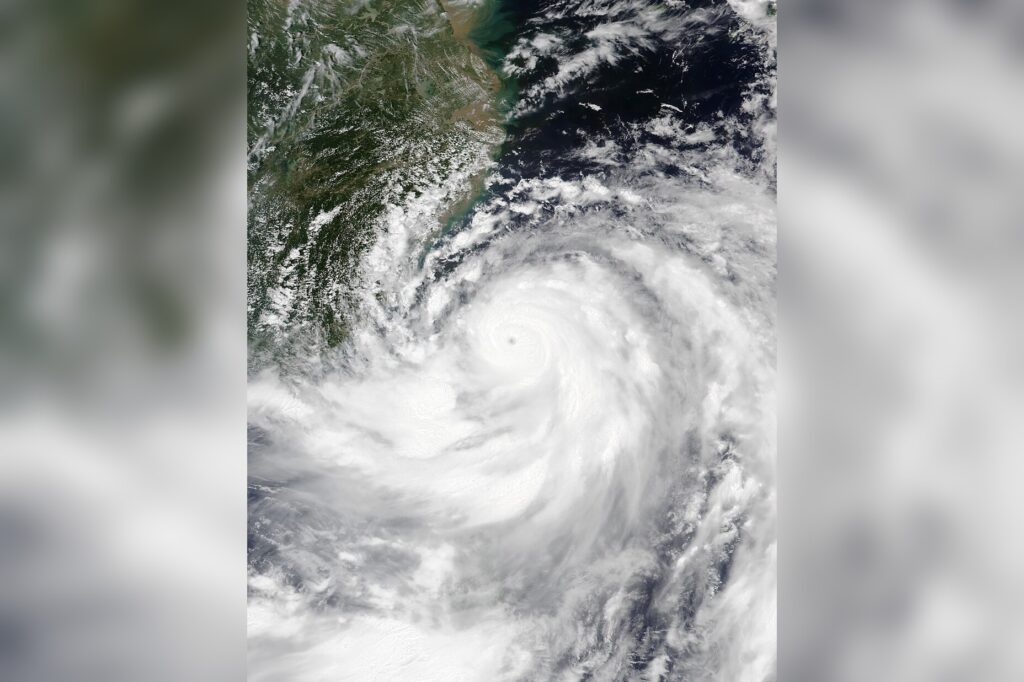
The Philippine capital region of Metro Manila entered a state of calamity on July 24, 2024, as Typhoon Gaemi’s torrential rains triggered widespread flash flooding across the metropolitan area. The declaration, which covers 16 highly urbanized cities including Manila, Quezon City, and Makati, activates emergency funding mechanisms and accelerates disaster response operations for the region’s more than 14 million residents spread across 636 square kilometers. Typhoon Gaemi inundated the capital with rainfall that overwhelmed drainage infrastructure and caused rivers to overflow their banks.
Low-lying neighborhoods experienced streets transformed into rapid currents of murky water, leaving residents stranded and causing extensive property damage. Emergency crews have been conducting nonstop evacuations in the most severely affected areas, particularly in Malabon, Navotas, and Valenzuela—cities that frequently flood due to their location near Manila Bay.
The calamity designation permits the national government to disburse emergency funds without standard bureaucratic procedures, speeding up the procurement of essential supplies including food, water, and medical provisions. It also establishes price controls on basic commodities to protect consumers from price gouging during the crisis. Officials continue to advise residents in flood-prone areas to stay alert, as the typhoon’s outer bands maintain rainfall over the already saturated metropolis.
Geographic Vulnerabilities Exposed
Metro Manila’s susceptibility to flooding stems from its geographic characteristics. Situated on Manila Bay’s eastern shore and positioned between Central Luzon and Calabarzon, the region comprises reclaimed land, river deltas, and natural waterways that decades of urban expansion have significantly altered. The population growth to 14 million has extended construction into floodplains and filled drainage canals with debris, worsening the effects of heavy precipitation.
While typhoons represent a recurring hazard, this particular storm has pushed the region’s infrastructure to its limits. Multiple cities report power outages, transportation networks face severe disruptions with major roads blocked, and the metro rail system operates on reduced schedules.
Schools and government offices remain closed while authorities evaluate the complete scope of destruction. The Philippine Atmospheric, Geophysical and Astronomical Services Administration warns that continued rainfall could cause landslides in adjacent hillside communities. Environmental advocates emphasize the need for strengthened flood control measures and improved urban planning to decrease the region’s vulnerability.
Investments in natural defenses such as mangrove rehabilitation and enhanced drainage systems could help mitigate future disasters. Some specialists also note that renewable energy sources like solar and wind power could bolster disaster resilience by maintaining emergency services during grid failures.
The recovery process is expected to span weeks or months as residents return to mud-covered homes and businesses calculate their damages. The state of calamity guarantees resource availability, but the enduring challenge involves building a capital region capable of weathering future typhoons without complete disruption. For now, inhabitants concentrate on the immediate priorities of cleanup and neighborly assistance while officials develop recovery plans.




