
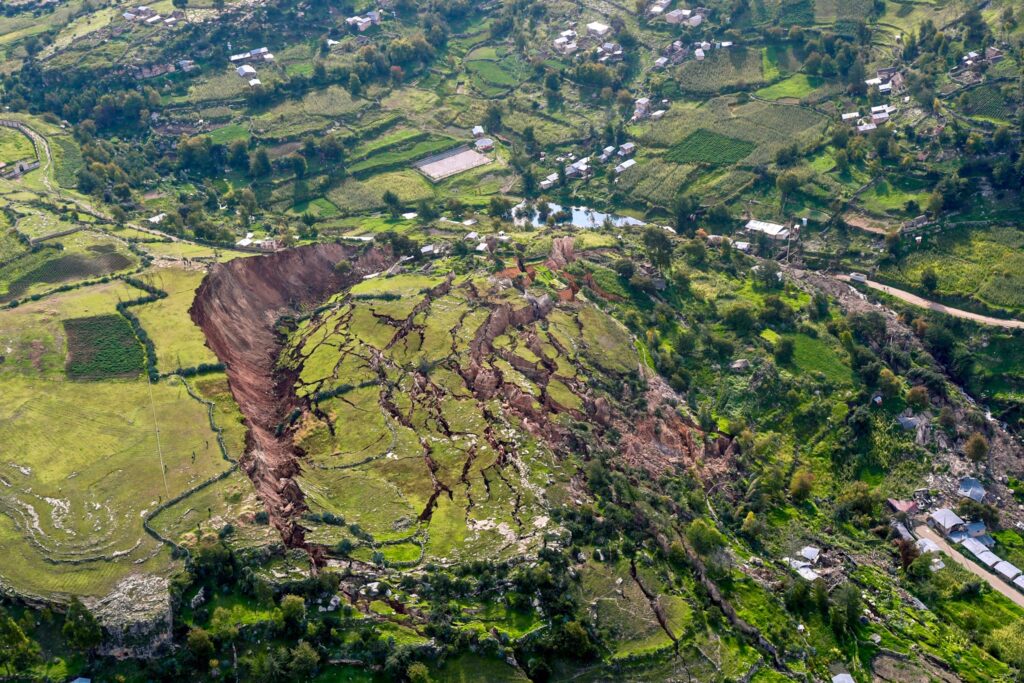
The physical destruction left by Typhoon Yagi in northern Thailand and central Myanmar extends far beyond the initial death toll of at least 43 people—33 in Myanmar and 10 in Thailand. While the fatalities mark a grim milestone, a secondary crisis has emerged: complete isolation. The storm triggered landslides that have erased entire sections of mountain roads, sending trucks, buses, and motorcycles into ravines. These routes were the sole access points for dozens of villages, and their destruction has created a logistical blockade.
Aid convoys remain stalled at washouts, unable to reach communities where food supplies are dwindling and clean water is no longer available. The situation presents a brutal reality for residents: the first disaster was the torrential rain itself; the second is the resulting entrapment. Emergency responders from both governments have been deployed, but progress is severely hampered. Roads that remain intact are choked with debris, numerous bridges have collapsed, and helicopter resources are limited.
The storm’s impact was magnified by the region’s geography and land use. Typhoon Yagi deposited massive amounts of water onto steep hillsides that had been stripped of forest cover. Decades of logging and slash-and-burn agriculture had removed the root systems that once held the soil in place, turning the ground into unstable slurry. In Myanmar, entire slopes gave way, burying homes while people slept. In Thailand, flash floods swept through low-lying neighborhoods before residents could reach safety.
The destruction is not solely a natural event. The severity of the landslides and floods is directly linked to environmental degradation. Hillsides collapsed because they had been deforested. Floodplains were built upon, and drainage systems that failed had been inadequate for years. Climate change has also intensified the storm, loading the atmosphere with more moisture and making typhoons heavier. The clearing of mangrove swamps for shrimp ponds removes natural buffers against storm surges, while logging removes the natural net that anchors soil.
Recovery will not be measured in days or weeks, but in months or years. Many residents have lost their homes entirely. Those that remain standing lack electricity and running water. Markets are closed and supply chains have snapped. Governments have pledged aid, but officials acknowledge the road to recovery is long and arduous. The full extent of the damage remains unknown because assessors cannot reach the areas that need assessment. The death count of 43 is expected to rise. The region now faces a persistent question: when the next typhoon arrives, will the ground hold?




