
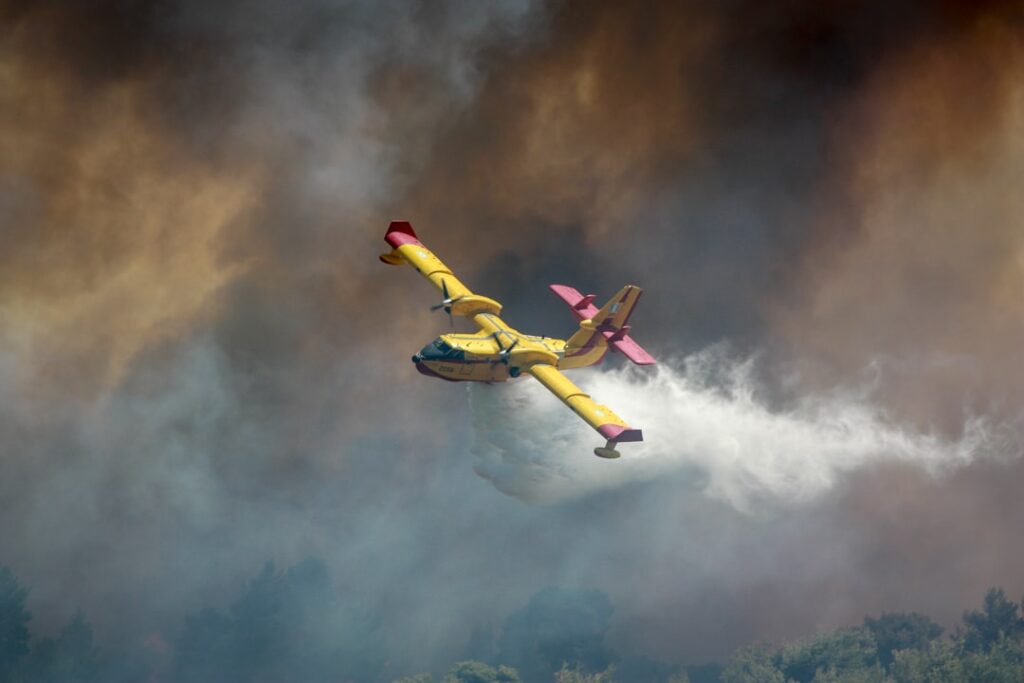
Over 6,000 residents have been ordered to leave their homes as a fast-moving wildfire approaches Fort McMurray, marking the second major evacuation in the region since the devastating 2016 fire season. The current threat has prompted the Regional Municipality of Wood Buffalo to organize a large-scale movement of people out of the area.
The evacuation was triggered by flames advancing rapidly through the boreal forest toward the urban service area. Authorities cited immediate public safety concerns as the reason for the order. The geography of the region complicates the evacuation effort, as limited roads and a sprawling landscape make the logistical operation difficult.
Fort McMurray sits at the center of the Athabasca oil sands, a key zone for Canada’s national petroleum industry. The local economy depends heavily on resource extraction, and the workforce relies on stability.
However, the natural environment in the region is not easily controlled. The boreal forest is a fire-adapted ecosystem that has always burned. What has changed over time is the density of human settlement and the increasing intensity of fire seasons. The 2016 wildfire, known locally as The Beast, forced the evacuation of the entire city and destroyed hundreds of homes.
That blaze burned for months and became the costliest disaster in Canadian history. Many of the people currently fleeing lived through that event.
They are familiar with the process of packing bags, watching the sky turn orange, and waiting to learn if their homes survived. The municipality itself was formed through amalgamation. Fort McMurray merged with Improvement District No. 143 in 1995, creating the Municipality of Wood Buffalo, which was renamed the Regional Municipality of Wood Buffalo a year later.
This administrative history reflects how the region grew quickly, driven by resource demands, in a landscape that does not tolerate errors. The same factors that enabled the oil sands boom—remote location, abundant fuel, and extreme weather—also make fire management exceptionally challenging.
Beyond the immediate crisis of evacuation lies a longer question about the boreal forest’s recovery. The ecosystem supports a wide range of plant and animal species. When fire removes the canopy and sterilizes the soil, recovery takes years.
Some species will return, but others will not. While fire is a natural part of this environment, the scale and frequency of current events are not natural.
They are amplified by a warming climate and a drying landscape. The Regional Municipality of Wood Buffalo serves as a hub for the national petroleum industry, which keeps the economy moving but also keeps people living in a fire-prone corridor. The tension between economic necessity and environmental risk has never been resolved.
Every fire season brings this conflict back into focus. This year, it has put over 6,000 people on the roads, heading south, heading away, heading into the uncertainty that has become routine for this community.




