
Storm Origins and Path
The system that later became Typhoon Halong began as a broad area of convection on October 4, south of Iwo Jima, roughly 4,000 miles from western Alaska. Two days later it had strengthened into a typhoon, a classic case of rapid intensification driven by warm ocean water.
It reached Category 4 intensity near Japan, displaying a clear eye and winds capable of destroying structures. After moving across the Pacific, the typhoon weakened and was no longer a tropical cyclone when its remnants arrived over western Alaska, but it still carried substantial rain and wind. The remnants swept into the region on October 12, delivering a sudden wall of runoff that flooded streets in the two rural communities of Kipnuk and Kwigillingok.
There was no gradual rise or warning siren; the water arrived quickly and inundated the area.
Impact on the Villages
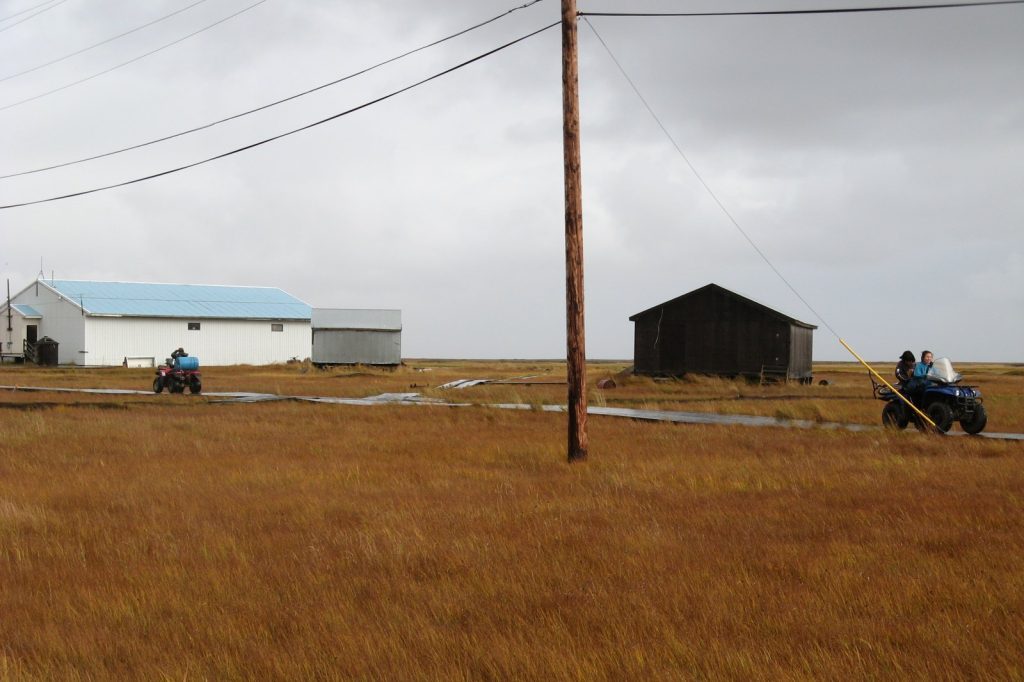
The local terrain is flat tundra with no hills to provide drainage, so heavy rain collects, pools, and seeps into homes. Residents live near the coast and near rivers, which increases both their vulnerability to flooding and the difficulty of reaching them when waters rise.
At least three people are reported missing, while rescue teams have extracted 34 individuals from the floodwaters. Authorities caution that the number of missing could increase as searches continue. Houses and businesses are filled with water and debris, and the full extent of damage remains under assessment.
Because supplies to these villages normally arrive by barge or plane, both delivery methods are currently delayed, complicating relief efforts.
Response and Outlook
Emergency crews are operating under challenging conditions. In remote Alaska, a helicopter cannot be summoned and expected within ten minutes; adverse weather can ground flights, washed‑out roads prevent vehicle access, and boats remain the primary means of reaching affected areas, though floating debris poses a hazard. Rescue operations are ongoing, with teams still checking structures and scanning for anyone who may have been missed. Although the rain has ceased, water levels have not yet receded completely.
The immediate priorities are rescue, followed by providing shelter, food, and dry clothing. Once those needs are met, the long‑term work of rebuilding will begin.
Officials note that this event is not isolated; it illustrates a direct line from a typhoon generated in the western Pacific to a flooded dwelling in rural Alaska. The storm traveled thousands of miles, carried its energy across the ocean, and impacted a region that did not create the storm and cannot prevent future occurrences.




