
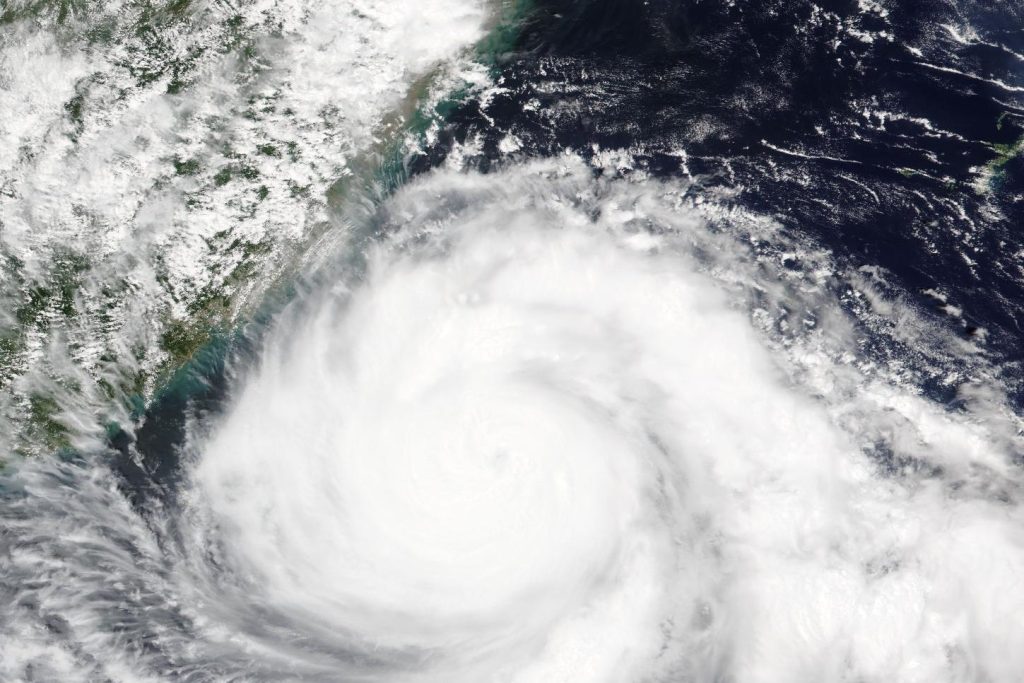
More than a month after Typhoon Haikui made landfall on 8 September 2023, the provinces of Guangdong and Fujian are still coping with the floodwaters the storm left behind. The system set new precipitation records in both Hong Kong and Shenzhen – cities that normally experience heavy rain, underscoring the exceptional nature of the event. Haikui stalled after moving ashore, lingering over Guangdong and Fujian for several days. The prolonged stay caused rain to accumulate faster than the soil could absorb it, leading to widespread runoff that surged through streets, entered homes and inundated farmland.
In Guangdong, emergency responders rescued thousands of residents trapped by rising water, while in Fujian the storm knocked out electricity, damaged roads and toppled power lines. In response, the Chinese government pledged assistance focused on restoring essential services and delivering humanitarian aid such as food, clean water and temporary shelter.
Authorities have been working around the clock to clear debris, pump water from flooded basements and repair damaged infrastructure. A significant concern highlighted in recent reports is the contamination of waterways. Floodwaters have swept sewage and industrial waste into rivers and streams that supply drinking water, irrigation and other daily needs.
The polluted runoff threatens both public health and the already stressed ecosystems of the region, which have endured decades of intensive development. Guangdong and Fujian are key industrial hubs.
Rapid urbanisation has replaced many natural wetlands with concrete, straightened river channels and paved over traditional floodplains. Consequently, when extreme rainfall occurs, water has fewer natural pathways to disperse, increasing the likelihood of it spilling into residential areas. The aftermath of Haikui has reignited discussion about rebuilding with a focus on sustainability.
Officials have mentioned incorporating renewable energy—particularly solar and wind—into reconstruction plans. Cleaner energy sources could reduce industrial discharge into waterways and help curb the greenhouse‑gas emissions that scientists link to more intense and wetter tropical cyclones.
Experts note that a warming climate intensifies the water‑holding capacity of the atmosphere, leading to heavier rains and heightened flood risk. While the typhoon itself was a natural phenomenon, the scale of damage is partly a product of human alterations to the landscape. Residents in the affected provinces are now in the recovery phase: pumping out water, checking on neighbours and awaiting the restoration of power.
Although the government’s commitment of resources is concrete, the logistical challenge of delivering aid means relief will continue to roll out over the coming weeks. The critical question moving forward is whether reconstruction will simply restore the pre‑storm environment or introduce measures such as improved drainage, expanded green spaces and stricter pollution controls.
The choices made now will determine if future typhoons cause similar devastation or if the region can better withstand such extreme weather events.




