
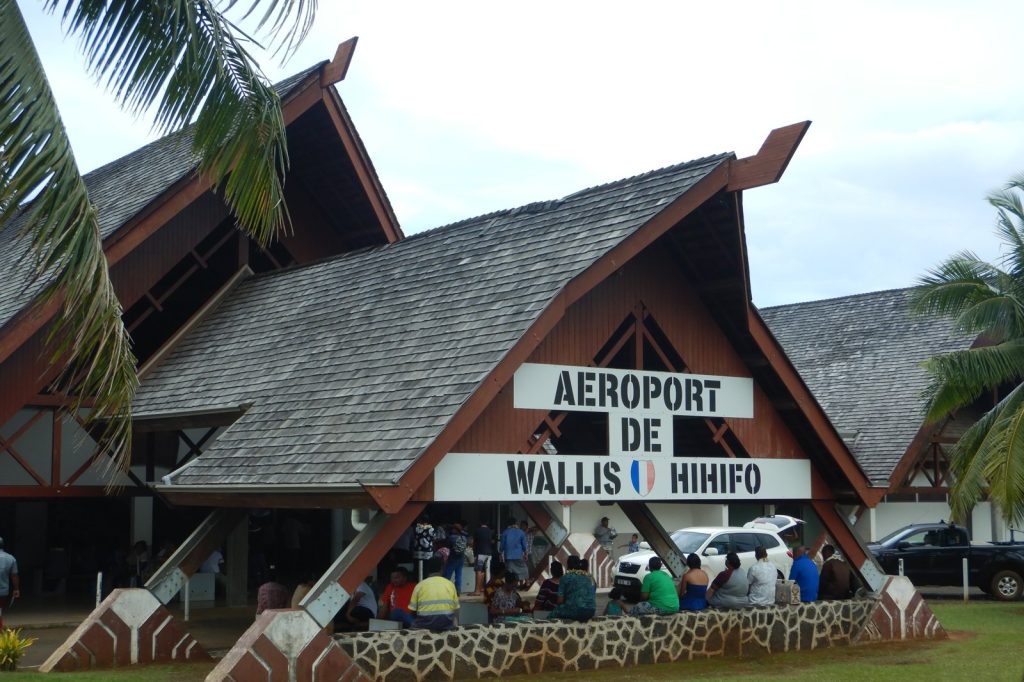
The South Pacific is no stranger to the ground shifting beneath its feet. A magnitude 5.1 earthquake, detected by the U.S. Geological Survey at 14:43 UTC on Monday, has once again drawn attention to the volatile geology surrounding Tonga. The epicenter, located 211 kilometers east-southeast of Hihifo, sat at a depth of just 10 kilometers.
That shallow depth is the key detail for anyone living nearby. Seismologists classify anything less than 70 kilometers down as a shallow event.
At 10 kilometers, this quake was practically scraping the surface. Shallow earthquakes radiate their energy upward with less attenuation. The same magnitude at a depth of 100 kilometers might produce a gentle roll.
At 10 kilometers, the shaking is sharper, more violent, and far more likely to knock items off shelves or crack plaster. The USGS confirms no tsunami warning was issued.
That is consistent with a strike-slip fault movement, which typically does not displace the seafloor vertically enough to generate a wave. The Tonga region sits smack on the Pacific Ring of Fire. This is a horseshoe-shaped zone where the Pacific Plate grinds against, dives under, and collides with several other tectonic plates.
The result is a near-constant drumbeat of seismic energy. The USGS data shows that within a 300-kilometer radius of Monday’s epicenter, at least 500 earthquakes of magnitude 5.0 or greater have been recorded in the last two decades. That averages out to roughly two dozen moderate shakes a year.
The largest in that window was a magnitude 8.1 monster in 2009. A 5.1 is a moderate event by comparison, but the shallow depth and the region’s history mean it cannot be dismissed as a mere blip.
What does this mean for the immediate future? Aftershocks. The USGS notes they are common following an earthquake of this size.
The main shock releases only part of the accumulated stress along the fault. The surrounding rock then adjusts, sometimes for days or weeks.
People in the affected area should expect further shaking. Most aftershocks will be smaller, but a 4.0 or even a 4.5 is not out of the question. The record shows that aftershock sequences can be unpredictable.
Sometimes they taper off quickly. Other times, a significant secondary event hits hours later, catching people off guard. The lack of damage reports so far is a good sign, but not a guarantee.
A 5.1 earthquake is classified as capable of causing minor to moderate damage near the epicenter. “Near” is the operative word.
The epicenter was 211 kilometers from Hihifo. That distance likely spared populated areas from the worst of the shaking. But the shallow depth means that anyone within a few tens of kilometers of that point probably felt a sudden, hard jolt.
The USGS real-time monitoring network caught the event instantly, a testament to the global system that tracks these tectonic shifts. The 2009 magnitude 8.1 earthquake remains a benchmark for the region.
That event caused significant damage and generated a local tsunami. Monday’s 5.1 is nowhere near that league. But it serves as a reminder that the Ring of Fire is always active.
The same forces that produce the small and moderate quakes are building up stress for the next big one. Seismologists cannot predict exactly when or where that will happen. They can only say that the process is continuous.
The ground under Tonga is always moving. This week’s shake is just the latest chapter in a long, ongoing story.
The advice for residents remains the same: be prepared for more.




