
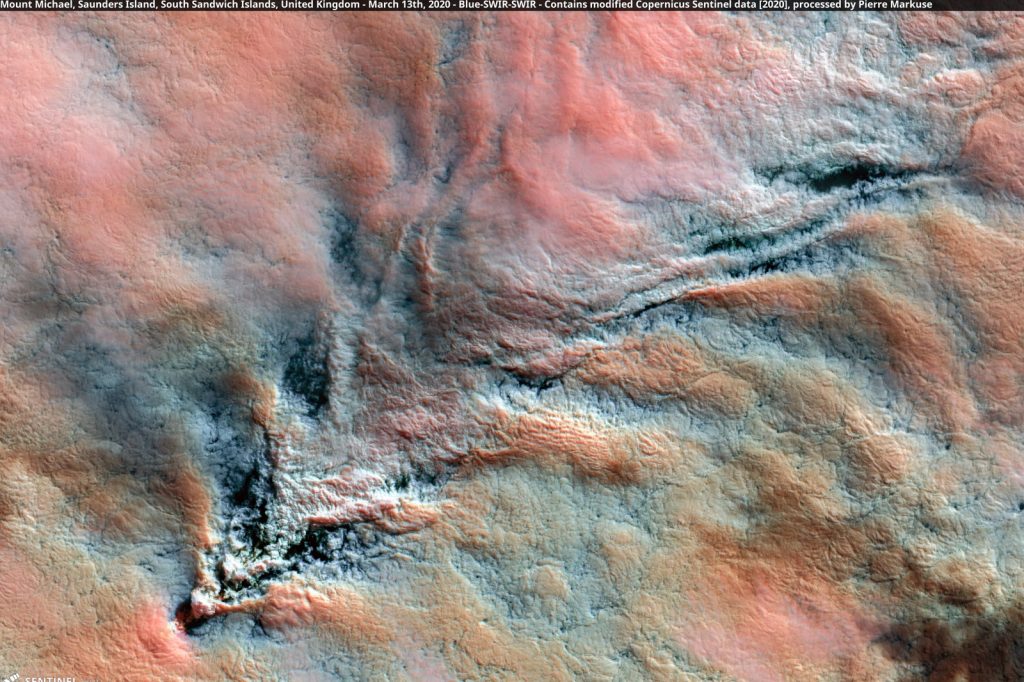
Shallow earthquakes hit harder. That is the simple physics behind Thursday’s magnitude 5.2 temblor east of the South Sandwich Islands, and it is why seismologists paid attention even though the event was moderate. At just 10 kilometres deep, this quake was shallow enough that anyone in the vicinity would have felt a sharp jolt — not just a distant roll.
The U.S. Geological Survey recorded the event at 05:14 UTC on July 2. No tsunami warning followed.
For the sparse population of the South Sandwich Islands themselves, the immediate danger may have passed. But the region is not empty. Shipping lanes cut through these waters.
Research stations dot the broader area. A shallow magnitude 5.2 can rattle a ship at anchor or send equipment tumbling in a lab.
This is a seismically active zone. The USGS data shows at least 23 earthquakes of magnitude 5.0 or greater have struck within about 300 kilometres of Thursday’s epicentre over the past two decades. The largest was a magnitude 6.7 event in 2013.
Thursday’s quake fits that pattern — it is not an outlier. It is part of the background noise of a restless planet. But noise at 10 kilometres deep is not harmless.
Shallow quakes less than 70 kilometres deep produce stronger shaking at the surface than deeper ones of equal magnitude. That is a fact of geology.
A magnitude 5.2 is considered moderate. It can cause minor to moderate damage near the epicentre. In a populated area, that might mean cracked walls, fallen shelves, broken pipes.
Here, it means a reminder that the ground beneath this remote ocean is never still. Aftershocks are common after an earthquake of this size.
Seismologists expect them. They may continue for days or weeks. For anyone in the region — a research team, a passing freighter — the shaking Thursday may not be the end of it.
The advice is straightforward: be prepared for more. The USGS detected the quake through its global seismic monitoring network, which runs 24 hours a day. That network is what gives scientists a clear picture: a moderate, shallow event in a zone that sees this kind of thing regularly.
No surprises. No alarms.
Just data. For the people who work in these waters, the real consequence is vigilance. A magnitude 5.2 is not a crisis.
But it is a signal. The same tectonic forces that produced Thursday’s quake have produced bigger ones before.
The 2013 magnitude 6.7 event was more than 30 times stronger in terms of energy release. That is the kind of event that can disrupt operations, damage infrastructure, and demand a response. Thursday’s quake does not change the long-term risk.
It does not predict the next big one. What it does is remind everyone watching that the South Sandwich Islands region is active. The ground moves.
The USGS keeps tracking. And those in the area keep watching for what comes next.




