
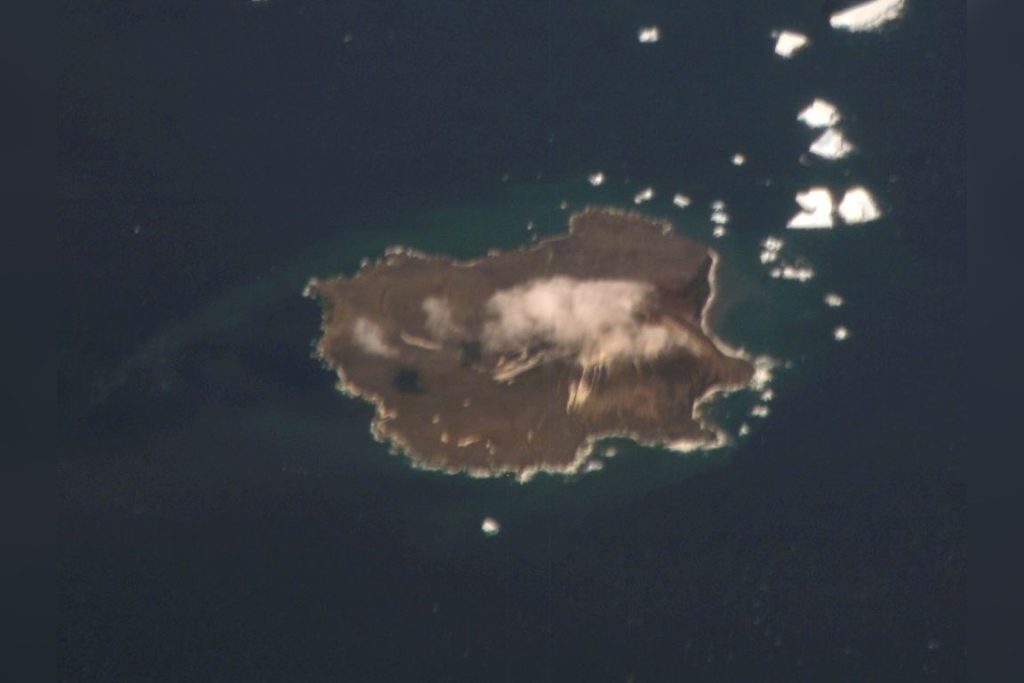
SOUTH SANDWICH ISLANDS REGION, July 2 — A magnitude 5.3 earthquake struck the remote South Sandwich Islands region early Thursday, according to the U.S. Geological Survey. The quake hit at 05:23 UTC, at a depth of 10 kilometers. No tsunami warning was issued.
Here’s what that depth means in plain terms. Think of it like dropping a rock into a pond from different heights — a shallow earthquake releases its energy closer to the surface, so the shaking tends to be stronger than a deeper quake of the same size.
Seismologists classify anything less than 70 kilometers deep as shallow. At just 10 kilometers down, this one was very shallow indeed. Earthquakes in the magnitude 5 range are considered moderate.
They can cause minor to moderate damage near the epicenter, though in this case the epicenter is in a remote ocean region far from populated land. The practical upshot for anyone in the area: aftershocks are common after an earthquake of this size.
They may continue for days or even weeks. People in the affected area are generally advised to be prepared for further shaking. The South Sandwich Islands region is no stranger to seismic activity.
The USGS data shows it’s a seismically active area. At least 500 earthquakes of magnitude 5.0 or greater have been recorded within about 300 kilometers over the past two decades. The strongest earthquake in that period was a magnitude 7.4 event in 2006.
That’s a significant difference in power — magnitude is logarithmic, so a 7.4 releases many times more energy than a 5.3. The USGS detected this event through its real-time global seismic monitoring network.
That network constantly tracks earthquakes around the world, allowing scientists to quickly determine location, depth, and magnitude. For most people reading this thousands of miles away, the practical relevance is minimal. But the event serves as a reminder that the Earth’s tectonic plates are constantly moving, and the South Sandwich Islands sit along an active plate boundary where the South American Plate dives beneath the smaller Sandwich Plate.
That subduction zone generates frequent earthquakes, most of them too small or too remote to attract attention. Every so often, one like this 5.3 registers on the global network and makes the news.
Seismologists will be watching for aftershocks in the coming days. The pattern of those smaller quakes can tell scientists about the stress changes in the Earth’s crust following the main event. But for now, the data is clear: a moderate, shallow earthquake, no tsunami threat, in a region that sees this kind of thing regularly.




