
A moderate earthquake registering magnitude 5.4 struck approximately 90 kilometers south-southeast of False Pass, Alaska, on Tuesday at 18:51 UTC, according to the U.S. Geological Survey. The temblor occurred at a depth of 47.044 kilometers, placing it in the shallow category that often produces stronger shaking at the surface than deeper quakes of the same magnitude. Despite the shallow depth, no tsunami warning was issued following the event.
At least six individuals reported feeling the earthquake through USGS monitoring systems, reflecting the sparse population of the region.
Seismic Context and Historical Precedent
The area surrounding False Pass is among the most seismically active regions on the planet, sitting directly along the Aleutian subduction zone where the Pacific tectonic plate dives beneath the North American plate. This tectonic collision generates frequent and often powerful earthquakes. USGS data indicates that at least 145 earthquakes of magnitude 5.0 or greater have been recorded within approximately 300 kilometers of Tuesday’s epicenter over the past two decades.
The largest among them was a magnitude 7.8 earthquake in 2020, which triggered a tsunami warning for parts of Alaska and Hawaii, though no significant waves were ultimately observed. Earthquakes in the magnitude 5 range are classified as moderate and are capable of causing minor to moderate damage near the epicenter.
The depth of 47.044 kilometers, while shallow by geological standards, is deep enough to reduce some surface intensity compared to very shallow events at depths of less than 70 kilometers. The region has a long history of major seismic events. In 1946, a massive earthquake off the Aleutian Islands generated a Pacific-wide tsunami that reached Hawaii, underscoring the distant threat these quakes can pose.
More recently, the 2020 magnitude 7.8 earthquake near False Pass was among dozens of large quakes recorded in the area over the past two decades, reinforcing the persistent seismic activity that defines life in this part of the world.
Immediate Aftermath and Preparedness
Seismologists note that aftershocks are common following an earthquake of this size. These secondary tremors may continue for days or even weeks, and people in the affected area are generally advised to be prepared for further shaking. The USGS detected Tuesday’s event through its real-time global seismic monitoring network, which constantly tracks seismic activity across the Aleutian chain.
As the hours and days ahead unfold, seismologists will continue to monitor the area for any changes in activity. For now, the message from experts is clear: in a region that has experienced more than 140 moderate-to-large earthquakes in two decades, preparedness remains the best defense against the unpredictable rhythm of the earth beneath.
Tuesday’s event, at magnitude 5.4, is considerably smaller than the 2020 magnitude 7.8 earthquake and did not prompt any tsunami warning. For communities across the Aleutian Islands and the Alaska Peninsula, this earthquake serves as another reminder of the persistent seismic activity that defines their environment. The USGS real-time network ensures that even remote events are quickly characterized, providing critical data for both local response and broader tsunami warning systems.
Strategic Importance of the Aleutian Chain
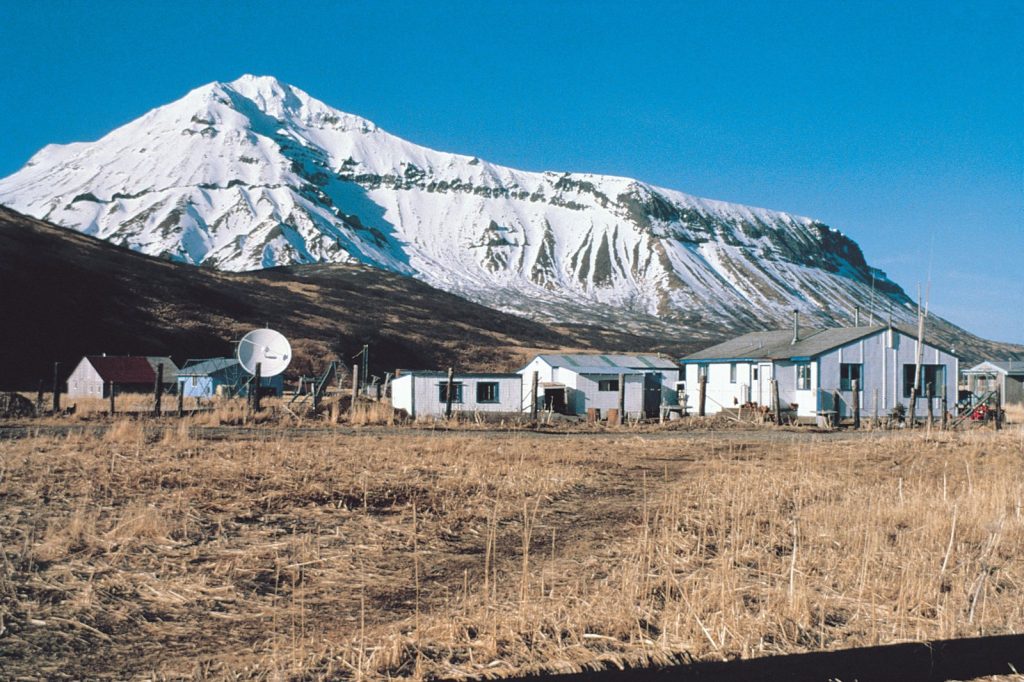
False Pass is a remote fishing village on Isanotski Strait in the eastern Aleutian Islands. The community was founded around a salmon cannery more than a century ago and sits along the Aleutian subduction zone.
This zone is constantly monitored by scientists because its earthquakes can trigger tsunamis that threaten communities across the Pacific. An earthquake in this area matters now because Alaska’s Aleutian chain is sparsely populated but strategically important. The region hosts military installations, fishing ports, and critical marine traffic routes. Even moderate shaking can disrupt transportation and power in isolated communities, where infrastructure is limited and distances are vast.
The persistent seismic activity here also provides valuable data for tsunami warning systems that protect people far beyond Alaska’s shores. The 1946 tsunami that reached Hawaii and the 2020 earthquake that prompted warnings for Alaska and Hawaii both illustrate the far-reaching consequences of Aleutian subduction zone events.
Scientists rely on the steady stream of data from earthquakes like Tuesday’s to refine models and improve warning times for communities across the Pacific basin. While the 5.4 magnitude temblor itself posed no immediate threat, it contributes to the ongoing understanding of seismic hazards in one of the most dynamic tectonic environments on Earth.




