
LONDON, July 22 — The global oil market has absorbed shocks before, but the convergence of geopolitical tension and maritime peril in the Red Sea during the winter of 2023–2024 left a mark that the industry is still unwinding. Against this backdrop, Brent crude oil prices rose from $76 per barrel in early December 2023 to $82.50 by mid-January 2024, an 8.5% increase that signalled far more than seasonal volatility.
What is at stake in the narrow waterway that funnels trade between Asia and Europe became starkly evident when war risk insurance premiums for vessels transiting the Red Sea surged from 0.05% of a vessel’s value to over 0.5% by January 2024, according to the London insurance market Lloyd’s. A typical container ship worth $100 million now faced $500,000 in premiums per transit.
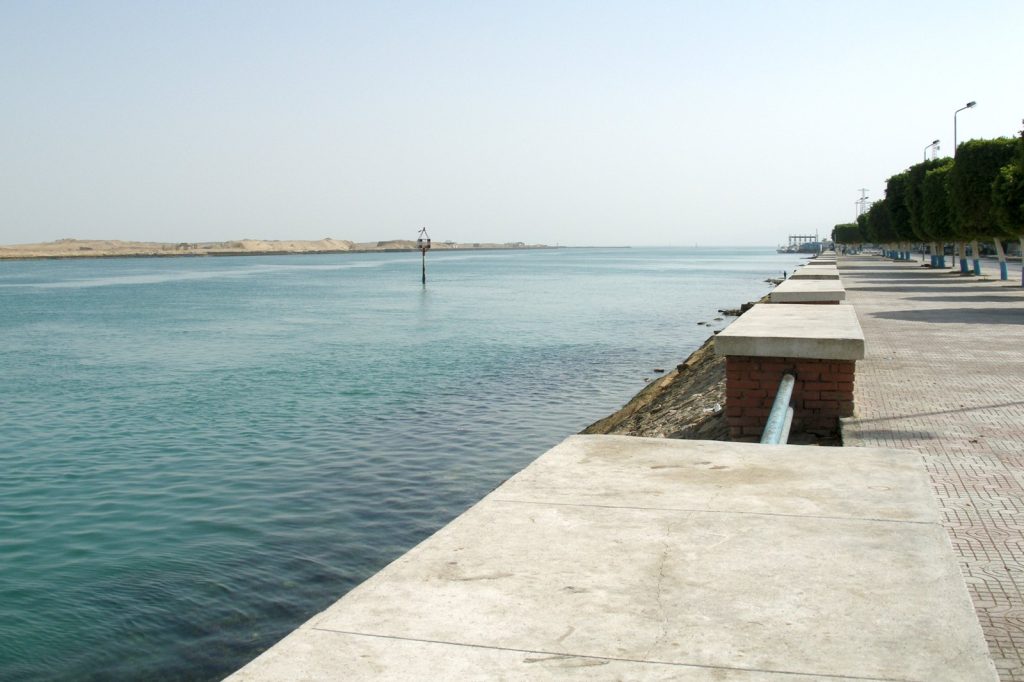
In the corridors of the shipping industry, such numbers redefined the calculus of risk. The Suez Canal Authority, a vital artery for global commerce, lost an estimated $100 million in revenue in January 2024 alone, as transits dropped 35% — from 2,400 in December 2023 to 1,550 in January 2024, per data from the authority. Rerouting around the Cape of Good Hope added 3,500 miles per journey and increased CO2 emissions by 25–30%, a consequence that weighed on European environmental targets as much as on shipping budgets.
Wider economic risks
The International Monetary Fund, in its World Economic Outlook update in January 2024, noted that sustained disruptions to Red Sea shipping could add 0.5 percentage points to global inflation. That figure, modest as it appears in isolation, carried weight in a European economy still grappling with post-pandemic price pressures. Spot charter rates for oil tankers on the Red Sea route doubled, compounding the burden on supply chains.
Major energy companies — BP, Shell, and QatarEnergy — paused their Red Sea transits, sending a clear signal to markets that the route was no longer reliable. Against this backdrop, the impact on oil supplies was partly offset by increased output from non-OPEC producers, including the United States, which set a record of 13.3 million barrels per day in 2023.
Yet the International Energy Agency warned that if the crisis persisted, oil inventories could drop by 2 million barrels per day by March 2024. The wider picture is one of a global energy system stretched by multiple points of tension, with the Red Sea crisis emerging as a case study in how quickly maritime disruption translates into tangible costs at the pump and in boardrooms.
From a European perspective, the vulnerability of the Suez Canal — through which a significant share of refined products and crude oil from the Middle East and India travels — remains a matter of strategic concern that no single policy can resolve. What to watch next is the extent to which the lessons of early 2024 have reshaped contingency planning among both governments and the private sector.
The numbers from that winter — the $500,000 insurance premiums, the 8.5% oil price jump, the 35% drop in canal transits — are now lodged in risk models and insurance tables. Whether they will prove to be an outlier or a foretaste of more frequent disruptions is a question that hangs over the global economy as it navigates an era of geopolitical fragmentation.




