
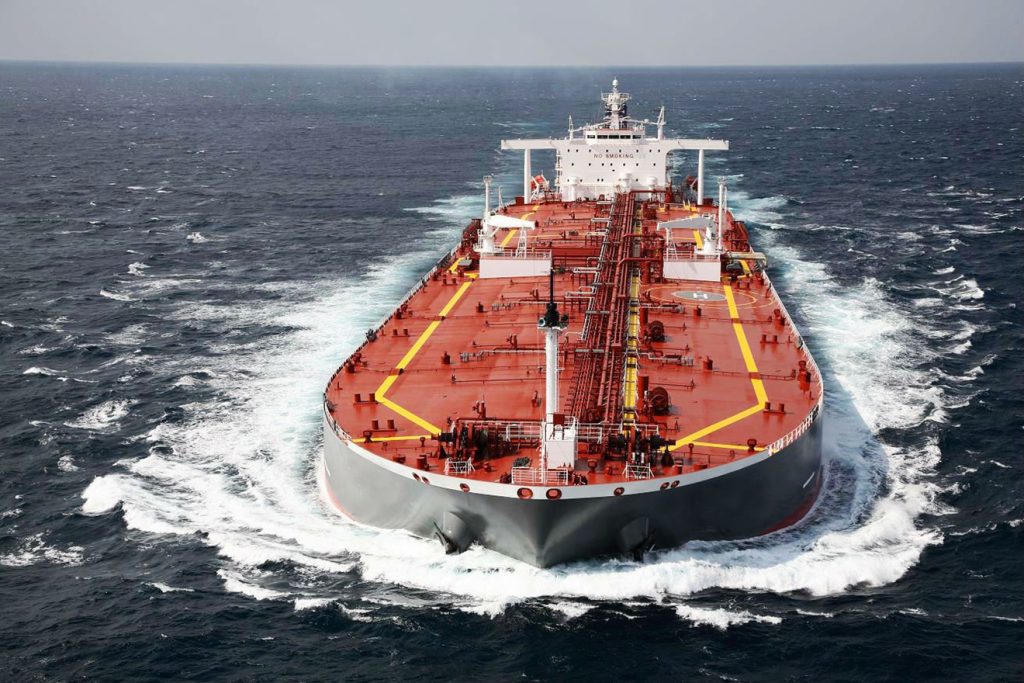
SINGAPORE, September 10 — Aster Chemicals and Energy has shifted a substantial part of its crude procurement away from the Middle East toward suppliers in West Africa, Latin America, the United States and Canada, as disruptions to Gulf exports caused by the ongoing Iran war continue to reshape how Asian refiners buy oil. The Singapore-based refiner previously sourced about 70% of its crude from the Middle East, according to Han Lih Kwong, senior general manager at Aster, who spoke at the APPEC conference. Reuters reported the shift.
Aster operates a 237,000 barrels per day refinery on Singapore’s Bukom Island and is a joint venture between Indonesia’s Chandra Asri and global commodities trader Glencore. The company’s pivot toward Atlantic Basin crude gives the refinery alternative sources as Middle Eastern barrels become more difficult and costly to secure.
A regional pattern, not a one-off
Aster is not alone. Asian refiners have increasingly sought crude from the US and other non-Middle Eastern producers since the start of the Iran war. Reuters reported in August that Japan’s Cosmo Energy bought Mars crude from Trafigura, while Japan’s Eneos purchased US West Texas Intermediate.
Taiwan’s CPC also bought US and West African crude. Before the war, Asia sourced more than half of its crude from the Middle East.
That concentration is now being unwound, at least in part, as the disruption of Gulf exports constrains supplies through the region’s traditional routes. The diversification carries particular weight for Singapore, one of Asia’s major refining and trading centres. Reuters reported in March that several Singapore refineries had reduced crude processing rates following disruptions to Middle Eastern supplies, while Aster and other petrochemical companies declared force majeure.
Bukom’s expansion plans
Aster has also been expanding the flexibility of its Bukom operations. In February, the company said it expected to complete projects in the second half of 2026 that would increase its crude and condensate processing capacity to 307,000 b/d from 237,000 b/d. The company was also repairing a single buoy mooring to enable very large crude carriers carrying about 2 million barrels to discharge at the refinery.
That work matters for a refiner now drawing cargoes from further afield, since VLCC-scale discharge capability widens the pool of suppliers it can economically use. What to watch next is whether the Atlantic Basin sourcing becomes a permanent feature of Aster’s crude slate or unwinds if Middle Eastern flows normalise.
The capacity expansion due in the second half of 2026 will land into whatever procurement mix the company has settled on by then.




