
FORT KNOX, September 16 — The first thirty days after a disaster are the most expensive, and almost none of that money comes back quickly. That is the central warning in a financial-readiness piece by Dwan Payne of ACS Financial Readiness, published September 15 from Fort Knox, Kentucky, under the headline “Calm during the storm: Protect your financial future from disasters before they hit.” The mechanics here are simple, and unforgiving.
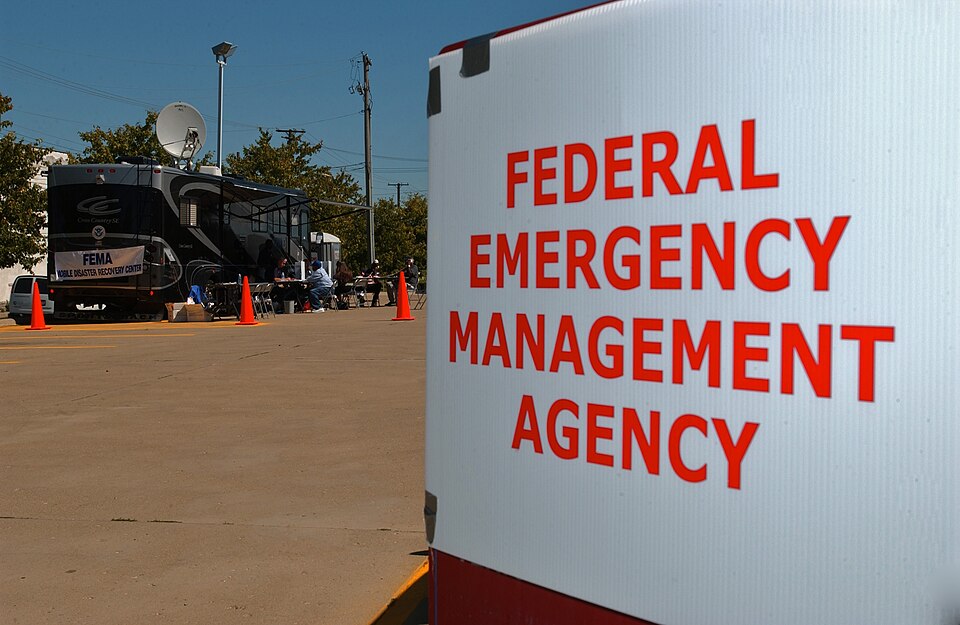
Out-of-pocket expenses hit immediately after an event, typically ranging from $3,500 to more than $8,000, and they are incurred long before insurance claims are filed or federal aid such as FEMA or SBA loans is offered. Follow the money and you find the gap: relief is a process, but the bills are not.
Why a checklist is not a strategy
Payne’s argument is that disasters strike almost every day somewhere in the world — wildfires, floods, hurricanes, earthquakes, wind and hail, blizzards and tornadoes — and they are often unpredictable, with the potential to destroy massive swaths of land and countless lives while carrying a substantial financial loss. Preparedness, on that reading, cannot be a one-and-done generic checklist. It has to be an active, ongoing strategy adjustable to the emergency.
The piece frames household recovery as depending on five elements: immediate cash liquidity, proper insurance underwriting, personal record protection, a credit defense shield, and access to federal recovery mechanisms. True financial preparedness, Payne stresses, goes beyond food and water.
The steps, and the catch in each
Develop an action plan with a concrete plan to manage expenses before relief arrives. Keep basic survival expenses on hand, recognizing that disasters frequently cause local economic and workplace interruptions. Then comes the insurance review, and this is where the catch sits.
Payne calls for a proactive policy review to identify exclusions and verify replacement costs and out-of-pocket deductibles before a disaster strikes. The reason is proof of loss.
Most policies require the policyholder to identify losses within a set window after the event, and without documented proof the standard depreciation schedules apply — schedules that, on the source’s figures, can take a substantial bite out of what a household actually recovers. Credit is the next exposure. Missing payments during displacement can severely damage a credit score, and Payne notes that specific protections can mitigate that risk.
Safeguarding vital records rounds out the list. The bottom line, as Payne puts it: physical safety can ensure survival during a disaster, but financial preparedness can ensure full recovery from it.
Quantifying cash reserves, closing underwriting gaps and safeguarding vital documents, the piece argues, will transform financial recovery from a crisis into an executable plan — because peace of mind during a storm is built in advance of it.
The September peg
The timing is not accidental. September is National Preparedness Month, observed every September to promote proactive disaster planning. The observance was established in 2004, three years after the events of Sept. 11, 2001, and its leaders use it to emphasize education and awareness and to remind people to take proactive measures before emergencies happen.
Readers with financial questions are directed to make an appointment with an Army Community Services financial counselor in person or by calling 502-624-5989. Fort Knox News at www.army.mil/knox carries Central Kentucky’s latest military news and information.
The piece also carries the tagline “Path to Pro$perity.” What to watch next: whether households treat the September observance as a deadline for an insurance review and a cash-reserve check, or as one more item on a checklist that gets filed away until the next storm.




