
A passenger bus carrying roughly 50 occupants went off the road and sank in the Padma River on March 25, 2026, in Goalanda Upazila of Rajbari District, Dhaka Division. The disaster left at least 26 people dead, among them seven children, and left 11 survivors. Authorities also listed about 13 individuals as missing as rescue teams continue their search.
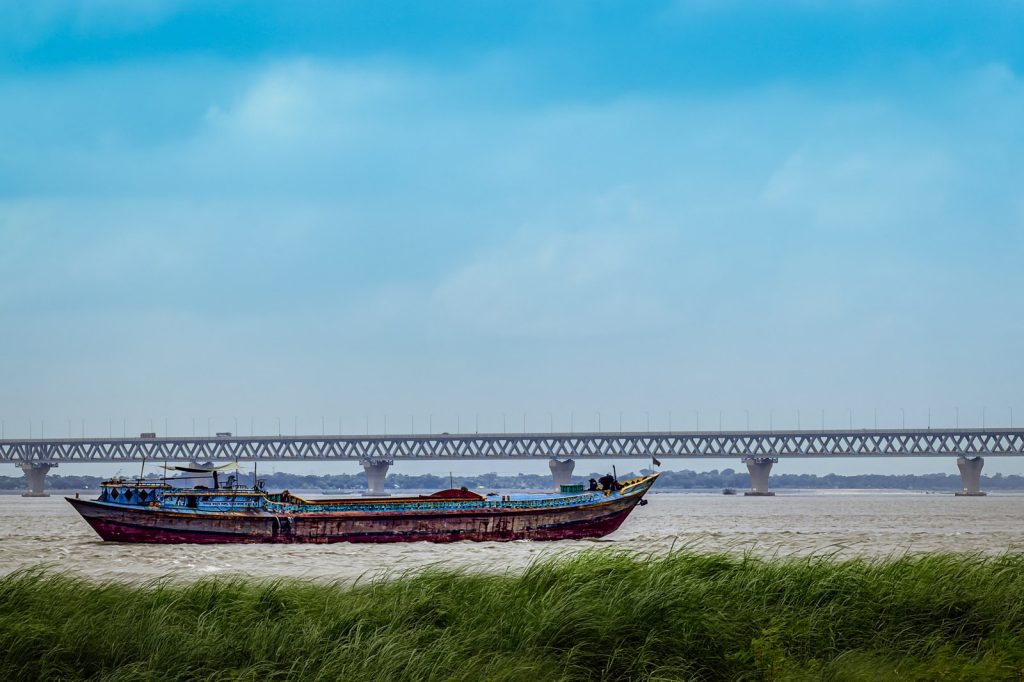
The Padma, Bangladesh’s principal eastern distributary of the Ganges, stretches 356 kilometres before joining the Meghna River near the Bay of Bengal. Its banks support the city of Rajshahi and sustain extensive fisheries that are vital to local livelihoods. However, the river has a long history of bank erosion, having swallowed more than 66,000 hectares of land since 1966, a trend that threatens both the ecosystem and nearby communities.
Rescue operations launched immediately after the bus plunged into the water have focused on locating the missing passengers and providing medical aid and counseling to the survivors and the families of the deceased. The incident has reignited public debate over the condition of road infrastructure in the region, with calls for regular maintenance, stricter vehicle inspections, and enhanced driver training to avert similar tragedies.
Beyond the immediate human toll, the accident underscores broader concerns about Bangladesh’s relationship with its natural resources. The Padma’s rich fisheries and scenic value are integral to the nation’s economy and cultural heritage. Preserving the river’s health is therefore linked to the well‑being of the communities that depend on it.
Environmental advocates point to the potential role of renewable energy—such as solar and wind power—in reducing pressure on natural waterways and supporting sustainable development. In a country where the Padma flows through densely populated areas, shifting toward cleaner energy sources could lower fossil‑fuel reliance, cut emissions, and provide cost savings that benefit local economies.
Stakeholders emphasize that protecting the Padma’s ecosystem requires coordinated action: reducing waste, adopting greener practices, and investing in renewable technologies. Such measures would help safeguard the river’s fisheries, curb further erosion, and maintain the environmental services the waterway offers to future generations.
In the wake of the March 25 crash, officials are also reviewing emergency response protocols. Recommendations include upgrading road safety signage, improving the capacity of rescue teams, and launching public awareness campaigns about safe travel practices near waterways.
As Bangladesh mourns the loss of 26 lives, including the seven young victims, the tragedy serves as a stark reminder of the intertwined challenges of transportation safety, disaster response, and environmental stewardship. The ongoing search for the missing, coupled with support for the affected families, highlights the urgent need for comprehensive strategies that address both human safety and the preservation of critical natural assets like the Padma River.




