
On a routine journey through Goalanda Upazila in Rajbari District, a bus carrying approximately 50 passengers veered off the road and fell directly into the Padma River. The driver lost control midway through the route; the vehicle did not pull over onto the shoulder nor collide with any trees before entering the water.
As of March 25, 2026, the death toll stands at 26, including seven children. Rescue teams continue to retrieve bodies from the river, while eleven passengers have survived the incident. Thirteen individuals remain missing, and officials assume many of those may have perished.
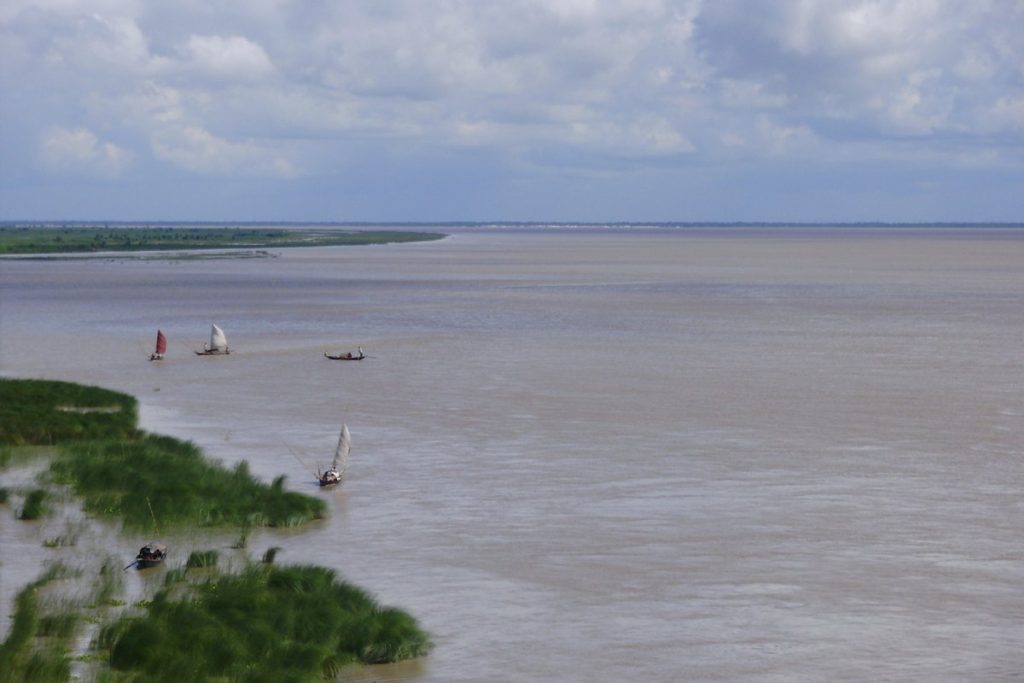
The Padma River, a major distributary of the Ganges, stretches about 356 kilometres before joining the Meghna River near the Bay of Bengal. It is a vital source of fisheries and livelihood for millions, but it also poses a significant hazard. Since 1966, more than 66,000 hectares of land along its banks have been lost to erosion, undermining roads and settlements built close to its shifting shoreline.
Bangladesh’s broader road safety challenges compound the risk. Buses are often overloaded, drivers work long hours, and traffic‑law enforcement is weak. Emergency response capabilities are limited, leading to delayed assistance when accidents occur. The recent tragedy reflects these systemic issues: an over‑crowded bus on a riverbank road lacking protective barriers, a driver possibly under pressure to maintain schedule, and a vehicle that may not have undergone thorough inspection.
Families of the victims are waiting for the recovery of their loved ones’ bodies, while authorities face renewed calls for accountability and reform. Historically, investigations follow mass‑casualty events, and officials are expected to promise tighter vehicle inspections and improved road maintenance. However, the underlying problems persist. Rural road networks were often constructed quickly and cheaply, with maintenance occurring sporadically and inspections reduced to paperwork.
Experts note that the Padma’s ongoing erosion is not a distant concern but an immediate threat to infrastructure adjacent to its banks. The road on which the bus travelled was likely compromised by riverbank degradation, lacking barriers that might have prevented the vehicle from entering the water.
Rescue operations remain focused on locating the remaining missing passengers. Support measures are being arranged for survivors and the families of those killed. Yet, without substantial changes—such as installing robust barriers along river roads, enforcing strict bus capacity limits, ensuring driver rest periods, and conducting genuine, regular vehicle inspections—the pattern of accidents is likely to repeat.
The Padma River will continue to flow and erode its banks. The crucial question for Bangladesh is whether it will adjust its transportation policies to keep buses and other vehicles safely away from the river’s path, thereby reducing the likelihood of future tragedies.




