
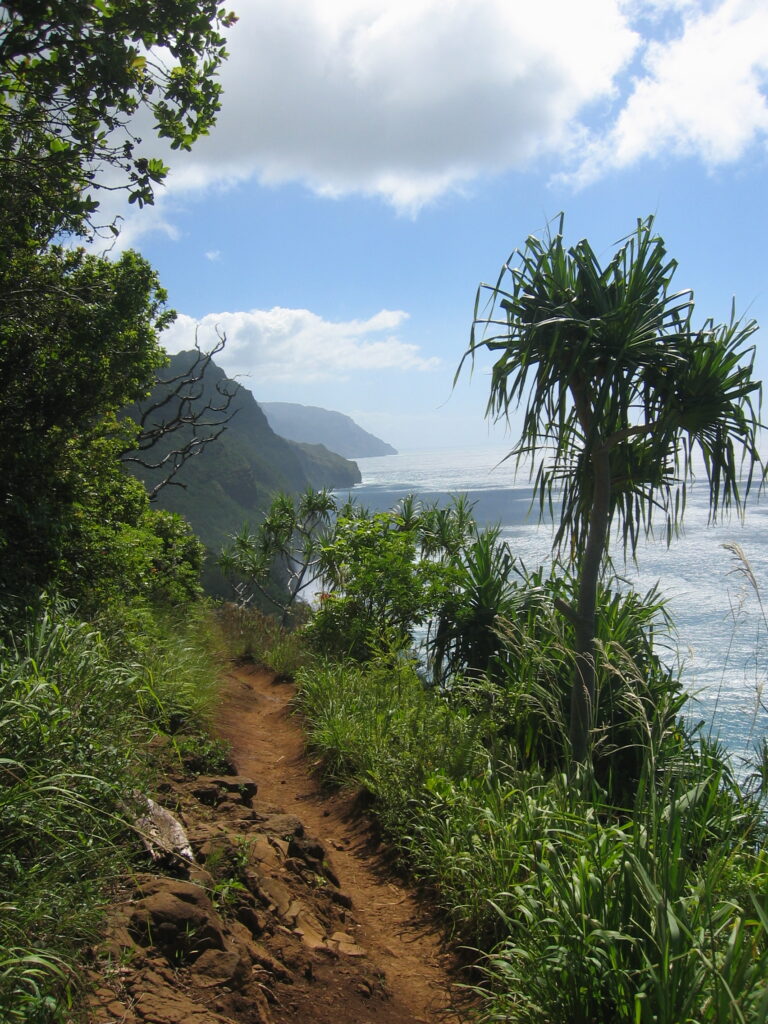
A helicopter went down on Kalalau Beach, located on the rugged Nā Pali Coast of Kauaʻi, on March 27, 2026, killing all three occupants, authorities said. The crash occurred in a remote stretch of shoreline that can be reached only by foot or by air, a factor that complicates rescue and recovery operations. Kalalau Beach sits at the terminus of the famed Kalalau Trail, a 22‑mile path that traverses steep valleys and cliffs before ending at a one‑mile stretch of sand framed by verdant valleys and towering sea walls.
The trail is considered one of the most demanding in the Hawaiian Islands, often requiring hikers several days to complete. Those who reach the beach are rewarded with striking scenery but also face hazards such as high surf and powerful rip currents that make swimming extremely risky.
The beach hosts a modest campsite equipped with composting toilets and a natural waterfall that supplies fresh water. Camping is permitted only with a state‑issued permit, a measure intended to limit visitor numbers and protect the delicate ecosystem. Historically, a few tour operators have offered boat landings, though the absence of protective offshore reefs leaves the shore exposed to the full force of the ocean, increasing danger for both swimmers and vessels. The recent helicopter accident underscores the perils associated with accessing this isolated location.
While the exact cause of the crash remains under investigation, officials indicated that the terrain and weather conditions typical of the Nā Pali Coast can pose significant challenges for aircraft operations. Local residents and officials expressed sorrow for the families of the three victims and highlighted the broader impact such tragedies have on the community.
“We are grieving the loss of three individuals and will cooperate fully with investigators to determine what happened,” a spokesperson for Kauaʻi County said. Beyond the immediate human toll, the incident has prompted renewed discussion about the balance between tourism, recreation, and environmental stewardship in the area. The Nā Pali Coast is home to numerous endemic species and fragile habitats that are vulnerable to overuse, litter, and pollution.
Managing visitor access through permits, encouraging low‑impact camping practices, and discouraging unauthorized boat landings are ongoing strategies aimed at preserving the region’s natural integrity. Conservation advocates also point to the growing importance of renewable energy and sustainable tourism as means to reduce the ecological footprint of visitors and service providers alike.
By decreasing reliance on fossil‑fuel‑powered transport and promoting clean energy solutions, stakeholders hope to mitigate additional stress on the ecosystem. As investigators piece together the circumstances of the crash, the community is reminded of the inherent risks of navigating such remote terrain. The tragedy serves as a somber reminder of the need for careful planning, adherence to safety protocols, and respect for the powerful natural forces that shape Kalalau Beach and the surrounding valleys.
In the meantime, authorities continue to monitor the site, coordinate with emergency responders, and support the families affected by the loss. The incident adds to a series of recent aviation mishaps in the region, reinforcing calls for heightened safety measures when operating in the challenging topography of Hawaii’s northwestern shore.
Kalalau Beach remains a treasured, yet precarious, destination. Its striking beauty draws hikers, campers, and adventure‑seekers from around the world, while its isolation demands vigilance and responsible stewardship to ensure it endures for future generations.




