
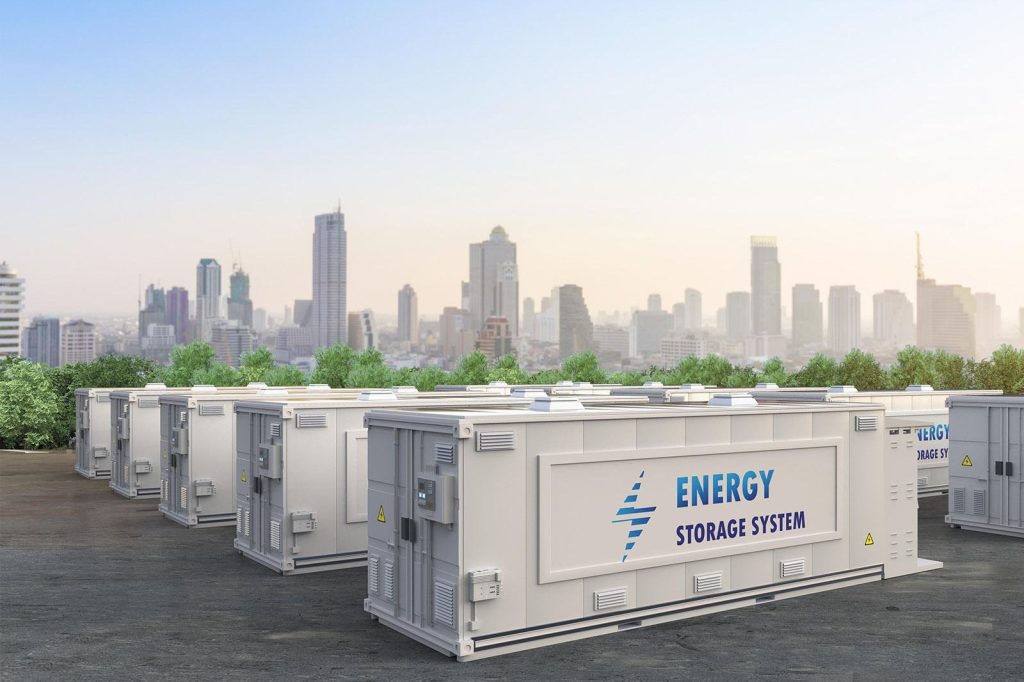
Two battery units branded with the Budderfly name now sit at the Shelton, Connecticut, headquarters of OEM Controls, a maker of industrial control systems. They are the most recent installs in a program Viridi and Budderfly announced on June 17, 2026: commercial battery energy storage at 100 Budderfly-managed sites across the United States.
Those units are not the first. Viridi batteries already operate at three Dunkin’ and 99 Restaurants locations, and work is advancing in Massachusetts, Connecticut and California. Budderfly calls that the first phase of an effort to build a network of flexible, grid-responsive energy assets.
Who gets the batteries
The customer list covers restaurants, retail, fitness and manufacturing sites. Budderfly’s pitch to them is to modernize aging energy infrastructure and improve performance and operating efficiency without the upfront investment. The Viridi systems in question are RPSLinkEX units, and they will run as part of Budderfly’s energy efficiency and management package, helping manage demand and supporting wider grid flexibility efforts.
Both companies describe the timing in terms of pressure on the power system. Businesses face rising electricity demand, grid constraints and a push for more resilience, and distributed storage is becoming a bigger piece of commercial energy infrastructure.
What the CEOs said
Al Subbloie, Budderfly’s CEO, called the deal “an important milestone in Budderfly’s multi-phase energy storage strategy, which will see deployments to thousands of commercial sites.”
Jon M. Williams, CEO of Viridi, put safety first. “Safety has become one of the most important considerations in commercial battery storage deployment,” he said, adding that the partnership shows storage can be rolled out “efficiently without compromising on safety, reliability, or performance.”
Viridi’s battery systems use anti-propagation technology intended to keep a failing lithium-ion cell from setting off its neighbors and to cut fire risk. The company says its commercial-scale system is among the first and only to be installed in an existing, occupied building. The units also use AI and connectivity for remote monitoring and energy optimization.




