
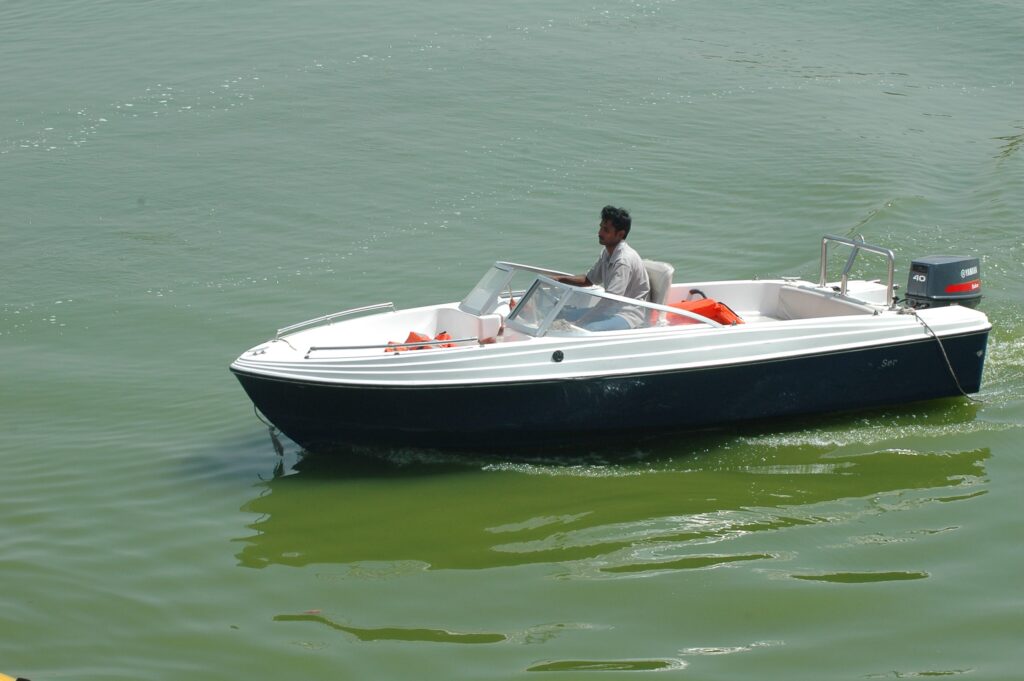
Storm Overturns Boat, Leaves Three Children Dead
The same weather system toppled trees, knocked down power lines, and damaged buildings throughout Walworth County. Hausner said his office received multiple 911 calls reporting people trapped in buildings. Emergency response was immediately compromised: deputies were delayed by downed power lines and trees blocking streets. “Power lines are all over the place. We are urging people to stay away,” Hausner said. His agency has requested assistance from nearby counties and the Wisconsin Department of Natural Resources. Lake Geneva Mayor Todd Krause declared an emergency. He reported one person with minor injuries after being struck by a falling tree and said several areas of the city were experiencing power outages. Police in the city of Lake Geneva are investigating the capsizing.
Geneva Lake draws tourists heavily from the Chicago area. Hausner noted that the population in Walworth County nearly doubles during holiday weekends. Friday was the Fourth of July. The storms that rolled through the Midwest that afternoon prompted multiple cities to cancel holiday festivals and reschedule fireworks displays. The National Weather Service issued a severe thunderstorm watch for Lake Geneva. Officials from the city did not immediately respond to requests for more information.
Widespread Damage and Emergency Response
The storm’s impact extended beyond the lake, causing significant disruption across Walworth County. Downed power lines and trees blocked roadways, hindering emergency responders. The Walworth County Sheriff’s Office reported that deputies faced delays as they attempted to reach people trapped in buildings, illustrating the immediate threat the severe weather posed to residents. Mayor Krause’s emergency declaration activated local resources and underscored the severity of the situation. The lone injury from a falling tree, though minor, highlighted the danger that falling debris posed even to those on land.
The capsizing on Geneva Lake occurred amid a holiday weekend that draws a heavy influx of visitors. The lake is a popular destination for tourists, particularly from the Chicago metropolitan area. The population surge during the Fourth of July holiday meant that many more people were on and around the water when the storm struck. The tragic loss of three children underscores how quickly severe weather can turn a festive outing into a deadly emergency.
Holiday Weekend Amplifies Lake Hazards
Geneva Lake is one of many recreational bodies of water in Wisconsin that see sharp seasonal increases in usage. Lake Winnebago, the state’s largest inland body of water, sits in east-central Wisconsin as a remnant of glacial melt from roughly twelve thousand years ago, when ice blocked outlets to Lake Michigan. Its basin formed where softer rock eroded, leaving a shallow depression between ridges of harder Silurian stone. The Ho-Chunk people have lived around the lake since long before European contact, and French traders in 1634 recorded the Algonquian term “Winnebago,” meaning people of the stinking water–a reference to summer fish odors. Steamboats such as the B. F. Carter began regular passenger runs between Oshkosh and the lake’s east shore in the 1880s, marking an early chapter in the region’s recreational use.
Lake Winnebago is a shallow freshwater lake that drains through the Fox-Wisconsin Waterway toward Green Bay, linking a chain of inland waters known as the Winnebago Pool. Its shoreline includes cities such as Oshkosh, Neenah, Menasha, and Fond du Lac, where municipal systems draw drinking water for hundreds of thousands of residents. The lake’s modest average depth and extensive reefs make it prone to sudden wave action when strong winds push water across its broad surface. Ice shoves–sheets of winter ice driven ashore by late-winter winds–have historically shoved debris and even damaged lakeside buildings, producing sounds likened to freight trains.
The lake’s role as a regional water source and recreational destination has grown alongside Wisconsin’s population. Holiday weekends often bring large seasonal increases in visitors to waterfront communities. When severe storms move across the upper Midwest, the lake’s open waters and developed shoreline can amplify hazards, from capsized boats to downed trees and power outages. Such conditions demand coordination among local agencies, county responders, and state resources, illustrating why the lake’s management and safety measures remain a recurring concern for residents and visitors alike. The tragedy on Geneva Lake serves as a stark reminder of those risks.




