
MOSCOW, July 21 — The shift in global gold flows is becoming harder to ignore. Russia, the world’s third-largest gold producer as of 2019 after China and Australia, has turned its domestic gold mining into a strategic bulwark against Western financial pressure. The mineral sector has long been a central pillar of the Russian economy, and gold is now at the heart of a sanctions standoff.
The numbers from established data spell out the scale. In 2005, oil revenues made up roughly 14% of Russia’s GDP, while the metallurgical sector — which includes gold — contributed 19% of industrial production value.
That same year, mineral extraction employed over a million people, about 1.6% of the labor force. Investment in extraction and metallurgy ran at roughly 20% of total Russian investment. Those figures illustrate an economy wired for resource extraction, and gold sits inside that wiring.
Western sanctions have repeatedly targeted that wiring. After Russia’s 2022 invasion of Ukraine, the European Union banned Russian gold imports in August 2022.
The U.S. Office of Foreign Assets Control hit specific entities: the Russian Copper Company, Highland Gold Mining Ltd, and Chukotka Mining Geological Company. In December 2023, the G7 and EU extended the net to Russian diamonds. The clear aim is to crimp Russia’s ability to fund its economy and military via mineral revenues.
Yet the Russian gold sector is not a monolithic target. The Ministry of Natural Resources has reported that while copper and other mineral industries are highly concentrated — Norilsk Nickel Mining and Metallurgical Company produces more than 90% of Russian nickel and platinum-group metals, and ALROSA accounts for virtually all diamond output — alluvial gold is less concentrated. That fragmentation may complicate enforcement.
A key strategic deposit has long been the Sukhoi Log gold deposit, which has been considered for foreign investment. That possibility now sits under the shadow of sanctions and geopolitical risk.
Russia has explored roughly 20,000 mineral deposits, with more than a third actively mined. Depletion is a real problem for some deposits, but the country continues to pull gold from the ground. What’s changing is how Russia uses that gold.
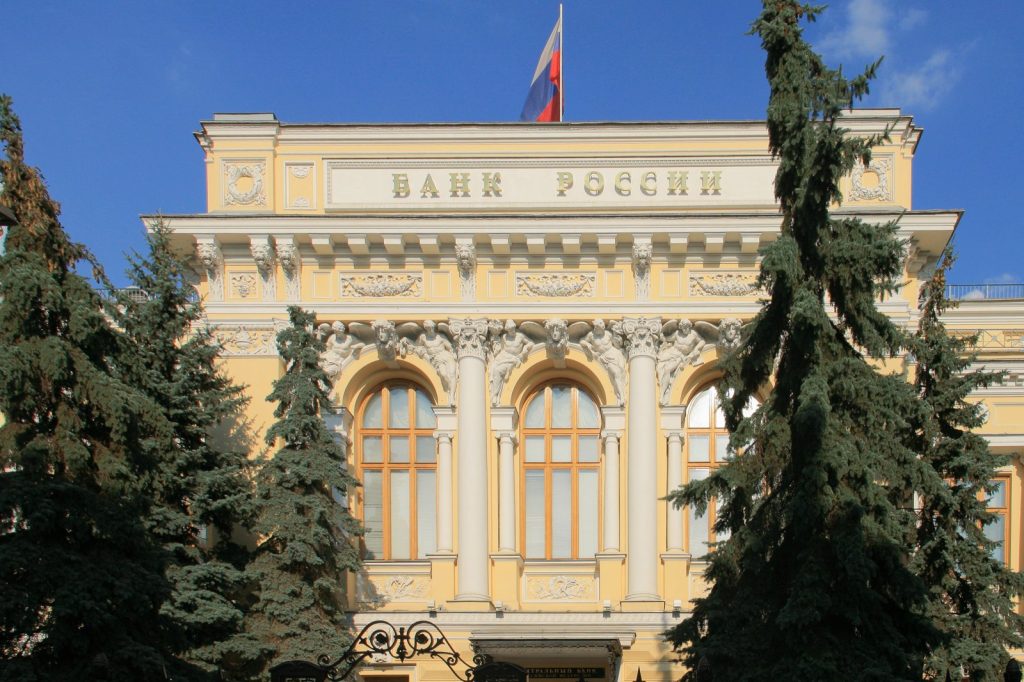
Despite sanctions, the country continues to funnel domestic gold production into its central bank reserves. Gold remains a key component of those reserves, providing a financial buffer that is harder for Western powers to freeze than dollar or euro holdings.
The trend underneath is clear: Russia is building a sanctions-proof reserve architecture, one gold bar at a time. Watch this space. The mineral sector has long defined Russia’s industrial landscape.
With sanctions narrowing other avenues, the strategic value of domestic gold production only rises. How the G7 and EU adapt their sanctions toolkit to this reality will define the next phase of the resource conflict.
Sources
{“@context”: “https://schema.org”, “@type”: “NewsArticle”, “headline”: “Russia’s Gold Output Bolsters Reserves Amid Sanctions”, “description”: “MOSCOW, July 21 — The shift in global gold flows is becoming harder to ignore. Russia, the world’s third-largest gold producer as of 2019 after…”, “datePublished”: “2026-07-21T09:30:00+00:00”, “author”: {“@type”: “Person”, “name”: “Maria Romano”}, “publisher”: {“@type”: “Organization”, “name”: “InfoPulse Today”, “url”: “https://newsfeed.infopulsetoday.com/”}, “citation”: [{“@type”: “CreativeWork”, “url”: “https://en.wikipedia.org/wiki/Gold_mining_in_Russia”}]}




