
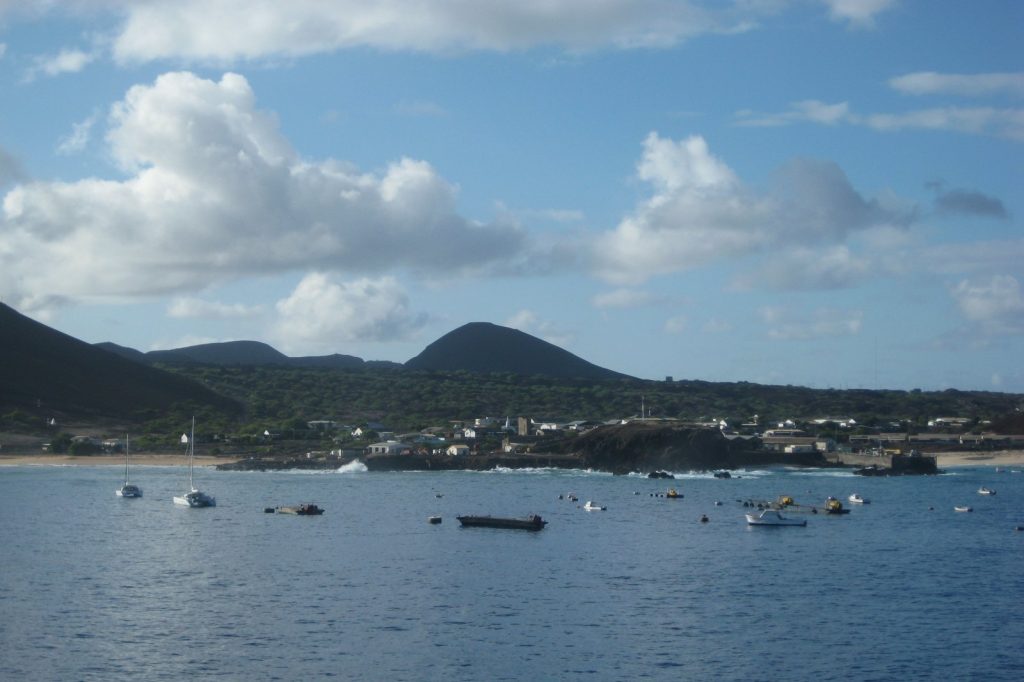
GEORGETOWN, Saint Helena, July 27 — A magnitude 5 earthquake struck 112 kilometers east-northeast of Georgetown, Saint Helena, on Sunday night at 10:32 p.m. local time, according to the U.S. Geological Survey. The quake originated at a depth of 10 kilometers, placing it in the category of shallow earthquakes that tend to produce stronger shaking compared to deeper events of the same size. The USGS detected the tremor through its real-time global seismic monitoring network.
At a depth of 10 kilometers — well under the 70-kilometer threshold for shallow events — the energy released had less rock to travel through before reaching the surface. This means the shaking from a magnitude 5 event like this can be more pronounced near the epicenter.
No tsunami warning was issued following the earthquake, which is classified as moderate on the magnitude scale and capable of causing minor to moderate damage in the immediate area.
A Seismically Active Region
The waters around Saint Helena are no stranger to earthquakes. Over the past two decades, at least 57 earthquakes of magnitude 5.0 or greater have been recorded within about 300 kilometers of this location. The strongest among them was a magnitude 6 quake in 2011.
This long history of seismic activity points to ongoing tectonic forces beneath the South Atlantic Ocean, a reality that residents of this remote island territory live with. For those on Saint Helena, the Sunday night earthquake is the latest reminder that the ground can shift without warning.
While the island itself is small and sparsely populated, the proximity of the epicenter — just over 100 kilometers from Georgetown — means that even an offshore quake can be felt and may pose risks to structures and infrastructure.
Preparedness and Aftershocks
Seismologists note that aftershocks are common following an earthquake of this size. These secondary tremors can continue for days or even weeks, sometimes reaching magnitudes that are felt strongly on the surface. People in the affected area are generally advised to be prepared for further shaking and to remain vigilant, especially in the first few days after the main event.
The USGS continues to monitor the region for any follow-on activity through its network of seismic stations around the globe. Looking ahead, the historical pattern suggests that more moderate earthquakes are likely in this part of the South Atlantic.
The last two decades have shown a steady drumbeat of magnitude 5 and larger events, with the 2011 magnitude 6 quake standing as a reminder that larger tremors are possible. For residents of Saint Helena, the key takeaway from this earthquake is the importance of readiness — checking that emergency supplies are on hand and knowing what to do when the ground shakes again. The aftershock sequence will unfold in the days to come, and the USGS data will provide the clearest picture of what lies beneath.




