
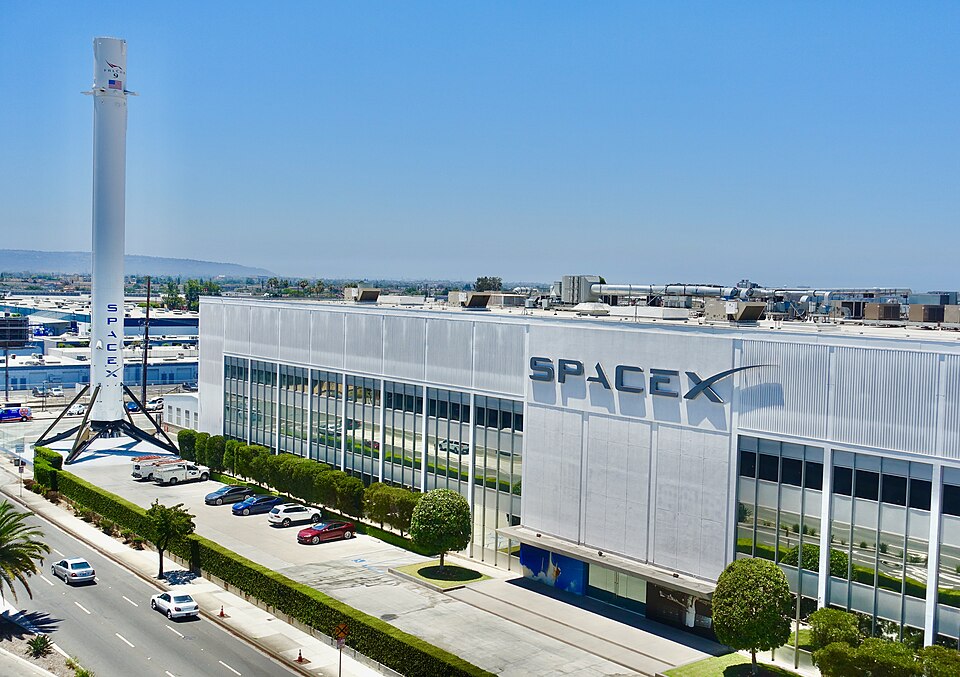
Washington, August 20 — President Donald Trump signed a memorandum on Thursday aimed at boosting U.S. commercial space launches, setting a target of more than 1,000 launches and reentries annually by 2030. The move, announced by the White House, seeks to accelerate private-sector leadership by streamlining regulations and expanding access to federal launch sites. For SpaceX, which already dominates the commercial launch market, the directive could accelerate its launch manifest and reduce delays in securing launch pads and approvals.
Other commercial providers are also expected to benefit from the streamlined process. At the core of the memorandum is a push to align federal land management with the needs of commercial operators.
The policy directs agencies to prioritize reducing delays in launch licensing and improving range availability, addressing potential bottlenecks in launch infrastructure. The goal of 1,000 annual launches by 2030 represents a substantial increase over current rates, positioning the United States to lead in the rapidly growing commercial space sector. This policy also signals continued government support for commercial robotics missions to Mars, expanding the role of private companies beyond Earth orbit.
Mars and Beyond
The policy’s impact on SpaceX and its rivals is already being felt. With reduced regulatory friction, companies may see quicker turnaround times for launch approvals, potentially lowering costs and increasing competition. Industry analysts note that the memorandum could also spur investment in infrastructure, as federal lands become more accessible for launch operations.
However, critics argue that the rapid scale-up raises safety and environmental concerns, particularly as the number of launches could strain existing range facilities. The White House has not addressed these potential challenges in detail, focusing instead on the economic and strategic benefits of the initiative.
Public-Private Partnerships Take Center Stage
As the policy unfolds, the focus will be on implementation. Industry observers will watch closely to see if the federal government can deliver on its promises of faster approvals and expanded launch capabilities. The 2030 target is not just a number; it represents a commitment to positioning the U.S. as a leader in the next era of space exploration.
SpaceX, with its existing infrastructure and track record, is likely to play a pivotal role in this transition. But the path forward will require coordination between private companies and federal agencies—a challenge that could test the limits of bureaucratic flexibility.
By nightfall, the implications of the memorandum were already sparking discussions across the space industry. For SpaceX, the move could mean fewer delays in its already packed launch manifest, allowing the company to prioritize missions to Mars, low-Earth orbit, and beyond. For other providers, it represents an opportunity to scale operations and participate in a sector that is rapidly becoming a cornerstone of global technology and defense.
As the administration ramps up efforts to meet the 2030 goal, one thing is clear: space is no longer just a government domain. It’s a commercial frontier, and the U.S. is betting big on private-sector leadership to define its future.
Sources
{“@context”: “https://schema.org”, “@type”: “NewsArticle”, “headline”: “SpaceX and Commercial Space Launches Under New Policy”, “description”: “Washington, August 20 — President Donald Trump signed a memorandum on Thursday aimed at boosting U.S. commercial space launches, setting a target of more than…”, “datePublished”: “2026-08-20T09:30:00+00:00”, “author”: {“@type”: “Person”, “name”: “Isabella Moore”}, “publisher”: {“@type”: “Organization”, “name”: “InfoPulse Today”, “url”: “https://newsfeed.2bme.xyz/”}, “citation”: [{“@type”: “CreativeWork”, “url”: “https://en.wikipedia.org/wiki/SpaceX”}]}




