
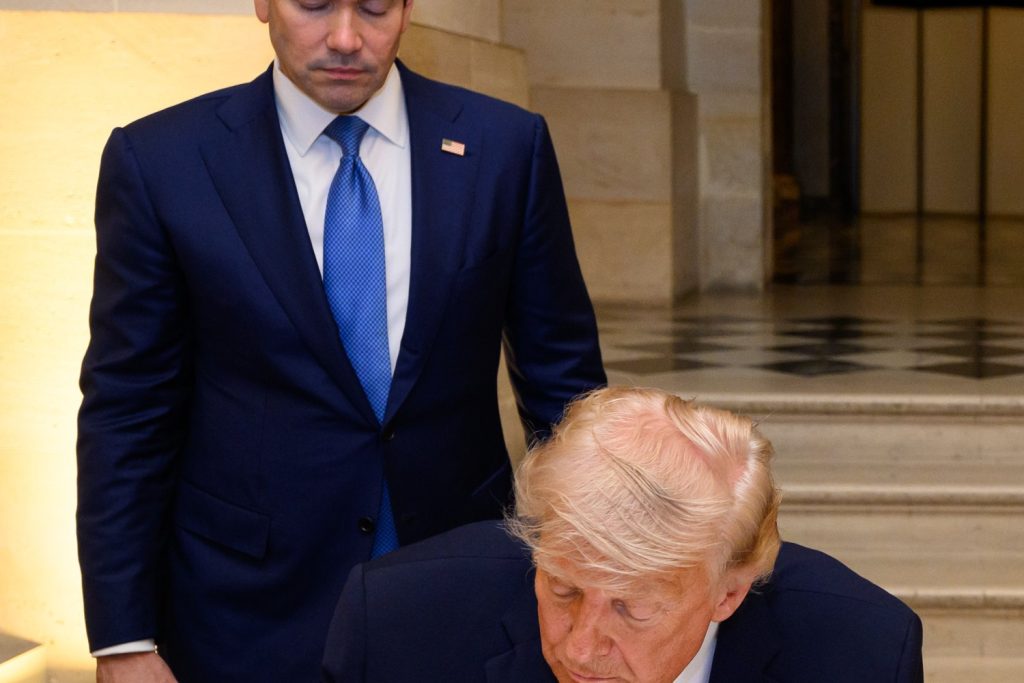
Washington, August 20 — President Donald Trump signed a memorandum on August 20 aimed at transforming U.S. space operations, setting an ambitious target of more than 1,000 launches and reentries annually by 2030. The move, reported by Reuters and other outlets, signals a sharp escalation in the nation’s commercial space ambitions.
Trump’s memorandum, described as a strategic document by administration officials, prioritizes accelerating commercial space activities to cement American dominance in the sector. The plan explicitly links increased launch rates to economic competition, framing space as a new frontier for technological and industrial leadership. While the document does not specify immediate steps, it underscores a long-term vision where private-sector innovation drives both orbital and deep-space missions.
At the core of the memorandum is the 1,000-launch goal, a figure that dwarfs current annual U.S. launch volumes. Industry experts note this target would require near-daily launches, a logistical leap that could strain existing infrastructure.
The memo also highlights reentries, suggesting a dual focus on both launching payloads and retrieving spacecraft, a detail that could reshape commercial satellite and cargo operations. No budget allocations or regulatory changes were outlined, leaving implementation details to future federal agencies.
Mars and the private sector
Another key element is the memo’s emphasis on commercial robotics for Mars exploration. This directive implies a shift from government-led missions to private companies developing autonomous systems for deep-space tasks. While no specific firms or technologies were named, the move aligns with broader trends in space entrepreneurship, where companies like SpaceX and Blue Origin have already tested reusable rocket systems.
The administration’s support could accelerate partnerships between these entities and federal agencies. Reuters reported that the memo positions commercial robots as a cost-effective alternative to traditional NASA-led Mars exploration.
This could mean private firms designing probes or rovers for scientific or resource-gathering missions, a development that might reduce government expenditure while expanding private sector influence. However, critics argue that without clear regulations, such initiatives risk creating a fragmented market with uneven safety standards. The memo’s release comes as the U.S. space industry grapples with regulatory bottlenecks.
Officials have long cited slow permitting processes as a barrier to frequent launches. The administration’s push to streamline these processes—though not detailed in the document—hints at potential policy shifts.
Aviation and space agencies may soon face pressure to expedite reviews for commercial operators, a change that could unlock new opportunities for startups and established firms alike.
Reactions and challenges
Industry observers are cautiously optimistic but skeptical about the timeline. Achieving 1,000 launches by 2030 would require unprecedented coordination between private companies, federal regulators, and infrastructure providers. Some experts warn that without substantial investment in launch facilities or launchpad capacity, the goal may remain aspirational.
Others point to the technical challenges of sustaining such a high launch cadence, including fuel efficiency and satellite orbital management. No direct statements from Trump were included in the source material, though his administration’s rhetoric has consistently framed space as a competitive domain.
Vice President JD Vance and Secretary of State Marco Rubio have both emphasized the economic benefits of space commercialization in recent speeches, aligning with the memo’s objectives. Their roles in advancing this policy remain to be seen, as federal agencies now must translate the memo’s broad goals into actionable plans. As the memo unfolds, attention will focus on how federal agencies respond.
The Federal Aviation Administration, which oversees launch permits, is expected to play a pivotal role in determining whether the 2030 target is feasible. Similarly, NASA’s involvement in commercial missions—particularly for Mars robotics—could either support or complicate private efforts.
For now, the memorandum represents a bold statement of intent, one that will likely shape U.S. space policy for years to come.
{“@context”: “https://schema.org”, “@type”: “NewsArticle”, “headline”: “Trump Signs Memorandum to Accelerate U.S. Space Launches”, “description”: “Washington, August 20 — President Donald Trump signed a memorandum on August 20 aimed at transforming U.S. space operations, setting an ambitious target of more…”, “datePublished”: “2026-08-20T09:30:00+00:00”, “author”: {“@type”: “Person”, “name”: “Isabella Moore”}, “publisher”: {“@type”: “Organization”, “name”: “InfoPulse Today”, “url”: “https://newsfeed.infopulsetoday.com/”}}




