
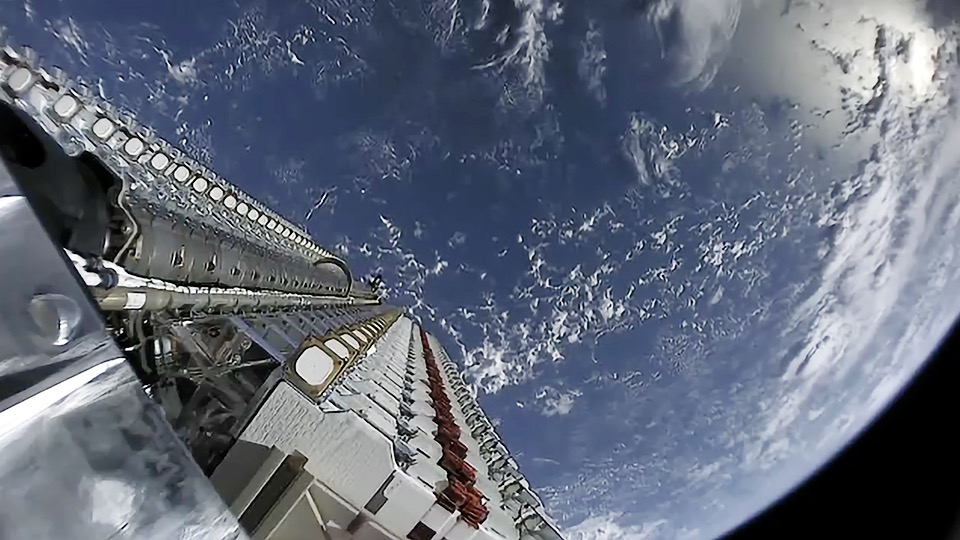
Muhammad Asim, writing for InfoPulse Today from Islamabad, reports on a growing concern at the intersection of technology and astronomy. On August 21, 2026, the rapid expansion of satellite constellations, particularly SpaceX’s Starlink, is raising alarms about their impact on virtual reality astronomy platforms. These low-orbit satellites, designed to provide global internet access, could soon make the night sky appear cluttered with artificial lights, potentially undermining the immersive experiences VR aims to deliver.
Experts have long warned about the consequences of satellite constellations. A 2019 study, referenced in the source material, highlighted how satellite trails disrupt astronomical observations and alter sky photography.
These findings are now being applied to VR technology. As satellite coverage intensifies, the natural darkness required for accurate celestial rendering becomes harder to achieve. A VR user in a city with heavy satellite activity might see a distorted night sky, filled with moving lights instead of the steady constellations they expect.
This could diminish the scientific and emotional impact of VR astronomy, which often aims to replicate the awe of real stargazing.
Collaboration Needed to Mitigate Risks
Balancing the benefits of global internet access with the need to preserve the night sky is a delicate task. While Starlink and similar projects aim to bridge the digital divide, their side effects could have unintended consequences. For virtual reality platforms, which depend on clear visual data to function effectively, the problem is particularly acute.
A user in a remote area might gain internet access through satellites, but at the cost of a compromised VR experience. This trade-off underscores the need for careful planning.
As Muhammad Asim notes, the long-term success of VR astronomy may depend on how well stakeholders can navigate this conflict. The situation is not without hope. Researchers are already experimenting with ways to reduce satellite impact.
Some propose adjusting satellite orbits or coatings to minimize light reflection. Others are working on software solutions that could distinguish between natural and artificial light in real time.
These efforts are still in early stages, but they represent a proactive response to a growing problem. For now, the focus remains on raising awareness. Astronomers and VR developers are urging companies like SpaceX to consider the broader implications of their technology.
As the source material states, the goal is to find a sustainable balance that protects the night sky for all its uses, including virtual ones. Moving forward, the challenge will require ongoing dialogue among technologists, scientists, and regulators. The rapid pace of satellite deployment means that decisions made today could have lasting effects.
For virtual reality platforms, the stakes are high. An authentic night sky experience is not just a technical detail; it’s a core part of what makes VR astronomy valuable.
As the source concludes, preserving this experience will require collaboration and innovation. While the path forward is uncertain, the possibility of solutions offers a glimmer of optimism. As Muhammad Asim reminds readers, the key takeaway is that technology, when developed responsibly, can enhance our understanding of the universe—without erasing its natural beauty.
Always consult your doctor for health-related concerns, but in this case, the advice is to stay informed and engaged with the evolving conversation around satellite technology and its impact on science and art.




