
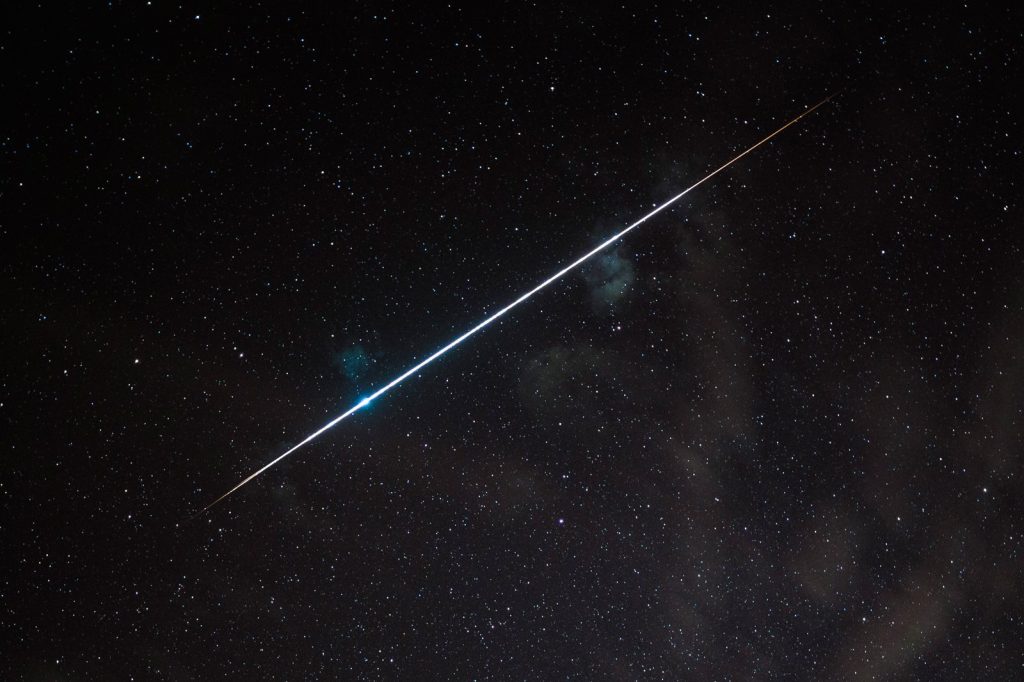
WASHINGTON, July 6 — The vaporization of 260 Starlink satellites has drawn new scrutiny to the environmental toll of space debris, as scientists warn that reentering spacecraft deposit pollutants in the upper atmosphere. Each of the satellites weighed 2,700 pounds. Their destruction, according to environmental researchers, released aluminum oxides and other metals into the stratosphere and mesosphere.
Studies cited by those scientists indicate these materials can alter ozone chemistry and affect cloud formation. The record shows this is not an isolated incident.
Commercial satellite constellations are expanding rapidly, and reentries are becoming routine. The long-term effects of thousands of such events annually remain poorly understood, according to the scientific community. Sources familiar with the research say the accumulation of metallic particles in the stratosphere and mesosphere has raised alarms.
The stratosphere contains the ozone layer, which shields the planet from harmful ultraviolet radiation. The mesosphere, sitting above it, is less studied but plays a role in atmospheric circulation.
The filing from environmental scientists calls for more rigorous assessments before future satellite launches. The current pace of deployment, they argue, outstrips the scientific understanding of atmospheric consequences. On the timeline, the 260 Starlink satellites represent a single batch.
But the broader constellation numbers in the thousands, and competitors are building similar networks. Each satellite that reenters adds to the chemical burden. The Pentagon Files desk has tracked space debris as a national security issue for years, focused on collision risks in low Earth orbit.
This environmental dimension adds a new layer to the debate. The U.S. administration has not issued a formal response to the findings.
The Federal Communications Commission, which licenses satellite constellations, has not signaled any regulatory changes. What to watch next: whether the scientific community’s call for environmental impact studies gains traction with regulators. The 260 satellites are gone, but the question of what they left behind remains open.
{“@context”: “https://schema.org”, “@type”: “NewsArticle”, “headline”: “Burning Orbital Data Centers Poses Risks to Upper Atmosphere”, “description”: “WASHINGTON, July 6 — The vaporization of 260 Starlink satellites has drawn new scrutiny to the environmental toll of space debris, as scientists warn that…”, “datePublished”: “2026-07-06T09:30:00+00:00”, “author”: {“@type”: “Person”, “name”: “Ariel Antonio”}, “publisher”: {“@type”: “Organization”, “name”: “InfoPulse Today”, “url”: “https://newsfeed.infopulsetoday.com/”}}




