
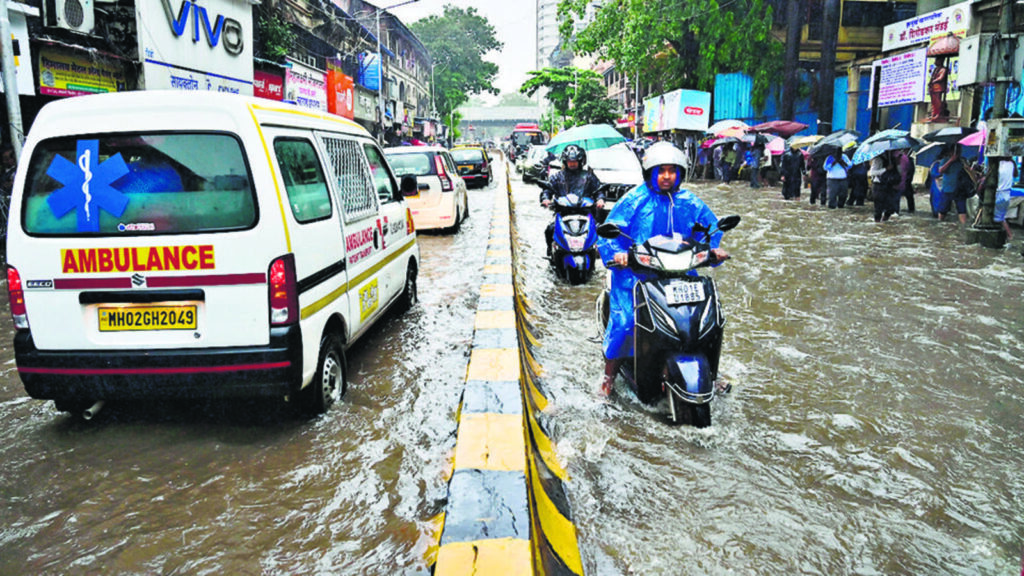
MUMBAI, July 10 — The monsoon rains that drench Mumbai each year bring something else with them, something less visible but potentially deadly. Leptospirosis. The Brihanmumbai Municipal Corporation, the city’s civic body, issued an advisory today urging residents to take precautions against the bacterial infection.
The science behind the warning is straightforward. Leptospira bacteria thrive in water contaminated by the urine of infected animals, particularly rats.
Mumbai’s streets flood routinely during heavy rain. People wading through waterlogged roads, especially those with cuts or scrapes, risk the bacteria entering their bloodstream. The BMC’s advisory is a seasonal ritual, but an important one.
A civic machinery built for crisis
The BMC is no small operation. Established in 1888 under the Bombay Municipal Corporation Act, it has governed Mumbai for well over a century. Its remit is vast: infrastructure, public health, and disaster management.
Flood response falls squarely under that umbrella. The corporation runs a network of stormwater drains, pumping stations, and a dedicated control room for monsoon monitoring.
When the rains come, that machinery grinds into action. What researchers and public health officials know about leptospirosis is that it can mimic other illnesses. Fever, headache, muscle pain.
Left untreated, it can lead to kidney damage, liver failure, or meningitis. The BMC’s advisory is a reminder that the real work happens before symptoms appear — in the decisions people make about walking through floodwater, in the boots they wear, in the basic hygiene they practice after exposure.
The corporation is led by a Municipal Commissioner, currently Dr. Bhushan Gagrani as of 2026. A 227-member body of elected corporators provides the democratic layer. The scale of the budget reflects the scale of the job.
For the 2025-2026 fiscal year, the BMC’s annual budget was approximately ₹52,000 crore, which works out to about $6.2 billion. That money funds everything from road repairs to disease surveillance.
How the advisory works
The advisory itself is a practical document. It urges people to avoid walking through floodwater where possible. It recommends wearing protective footwear.
It advises washing feet and legs with soap and clean water after any contact with potentially contaminated water. The message is simple, but the mechanism of transmission means that compliance is everything.
Mumbai’s geography makes the problem worse. The city is a peninsula, hemmed in by the Arabian Sea on three sides. Drainage is a constant challenge.
When high tide coincides with heavy rain, the water has nowhere to go. Streets become rivers.
The BMC’s pumping stations and drain network are designed to mitigate this, but the sheer volume of water can overwhelm the system. For the BMC, the leptospirosis advisory is one piece of a larger monsoon preparedness puzzle. The control room monitors rainfall data, water levels, and weather forecasts.
Pumping stations are staffed around the clock. Stormwater drains are cleaned before the season begins. But no amount of infrastructure can eliminate the risk entirely.
The bacteria are in the environment. The water is on the streets.
The advisory is the last line of defence.
What to watch next
The coming weeks will tell how seriously the city heeds the warning. Case numbers typically rise in the weeks following heavy rainfall. The BMC’s public health machinery will be watching.
So will the hospitals. For now, the message from the corporation is clear: the water on Mumbai’s streets is not just an inconvenience.
It carries something you cannot see.




