
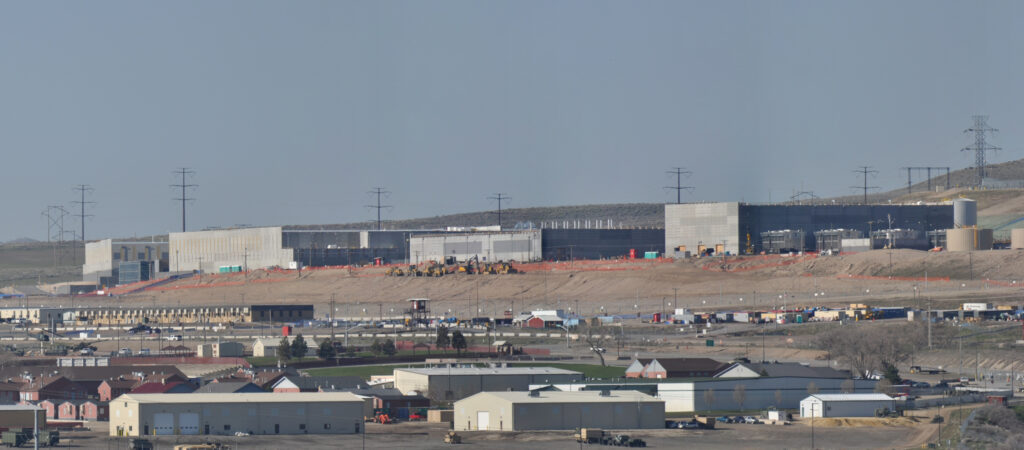
This week’s nationwide heatwave is doing something months of warnings from utilities could not: it is forcing a reckoning over AI data centres and the power they demand. Grid operators have started asking data centres to switch to backup generators. The request is a short-term fix, but it marks a turning point.
The situation echoes earlier infrastructure crunches. In California, rolling blackouts during the 2020 heatwave exposed how fast solar-heavy grids can fall short at peak demand.
That crisis led to emergency gas plant extensions and battery storage mandates. The difference now is the scale of the new load. Data centres are not just another consumer.
They run 24/7, pulling power at levels comparable to entire towns. A single facility can draw 100 megawatts or more.
The United States is racing to build thousands more. Texas offers a case study in how quickly things can change. Governor Greg Abbott has called for a ban on building new data centres.
That is a sharp reversal for a state that marketed itself as a tech haven. The state’s grid, the Electric Reliability Council of Texas, has been under scrutiny since the 2021 winter storm collapse. Now it faces a summer test with a new, massive load from compute clusters.
The heatwave is making the tension between AI buildout and basic utility capacity a live operational crisis, not a theoretical debate. Across the political spectrum, lawmakers are calling for increased oversight.
The bipartisan nature of the concern is notable. It is not a left-right fight. It is a practical one: the pace of data centre construction is outstripping the expansion of the country’s electricity and water infrastructure.
Regulators and utilities have been consistent with that warning for months. The heatwave has made it impossible to ignore.
Past infrastructure buildouts offer lessons. The interstate highway system took decades. The electrical grid, even longer.
Each required coordinated planning between federal and state governments, utilities, and private industry. The current AI buildout is moving far faster than any of those precedents. The heatwave is testing public support for that speed.
People are now experiencing the consequences directly, in the form of strained power and water supplies. Investors are watching.
The debate is no longer abstract. Data centres are already weighing on power grids. The backup generators being used now have their own environmental and cost implications.
They burn diesel or natural gas. They are not a sustainable solution.
They are a stopgap. The heatwave is nationwide. The data centre buildout is nationwide.
This is not a Texas story alone. Every state with a major tech presence is facing the same question: how fast can the grid expand to keep up? The answer, so far, is not fast enough.
The heatwave is proving it in real time.
{“@context”: “https://schema.org”, “@type”: “NewsArticle”, “headline”: “Heatwave Prompts Grid Operators to Request Data Centers Use Backup Generators”, “description”: “This week’s nationwide heatwave is doing something months of warnings from utilities could not: it is forcing a reckoning over AI data centres and the…”, “datePublished”: “2026-07-03T11:53:00+00:00T09:30:00+00:00”, “author”: {“@type”: “Person”, “name”: “Noah King”}, “publisher”: {“@type”: “Organization”, “name”: “InfoPulse Today”, “url”: “https://newsfeed.infopulsetoday.com/”}}




