
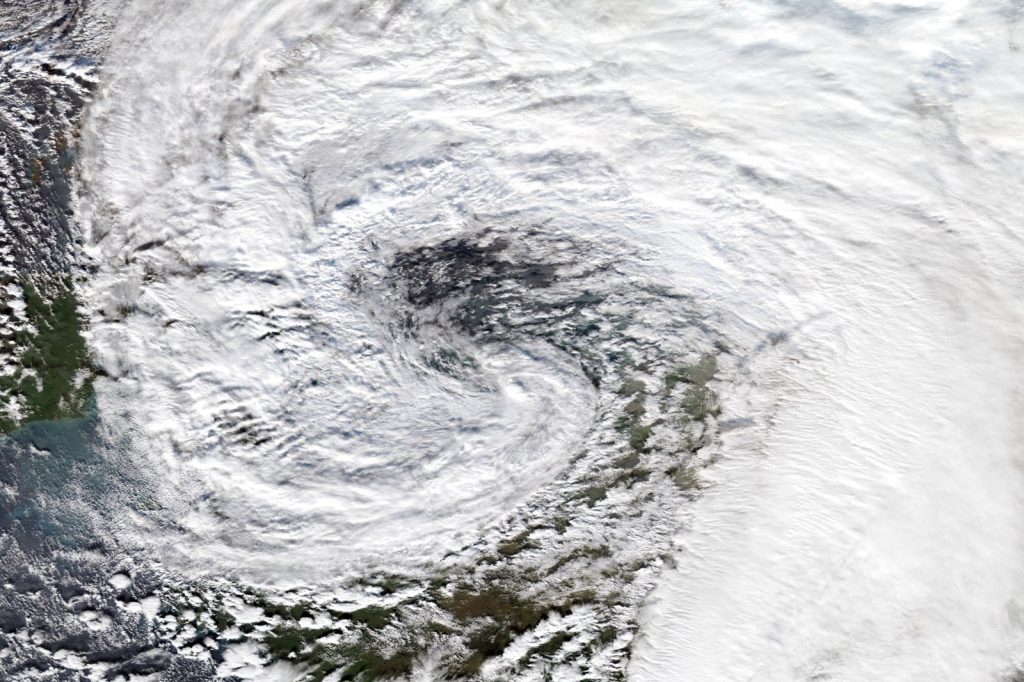
On Friday, December 6, 2024, millions of people throughout the United Kingdom received a sudden buzz on their phones as both amber and red government alerts were issued. The notifications warned that Storm Darragh was approaching the British Isles and was not merely another winter squall. This marked an uncommon, country‑wide activation of the UK’s emergency alert system, which delivers direct pings to mobile devices.
The system is intended to give residents valuable lead time—time to board up windows, relocate livestock, or decide whether to travel or remain indoors. Its design follows hard‑learned lessons from past events where the interval between a forecast and a fatality could be measured in hours.
When early warnings function correctly, they narrow that dangerous window. Storm Darragh serves as a test of more than just the alert technology; it examines the physical foundations that keep the nation functioning when winds reach 90 mph. Power lines, roads, and railways are all part of the infrastructure that must remain operational.
The accompanying report stresses that resilient infrastructure and emergency preparedness are urgent necessities. This means ensuring substations stay dry, backup generators start reliably, and traffic lights continue to work even if the main grid fails.
Energy security is woven into the same challenge. A storm of this magnitude reveals the fragility of any system that leans heavily on a single source. Although the UK’s energy mix—combining gas, wind, nuclear, and imports—is intended to absorb shocks, extreme weather can simultaneously disable wind turbines and sever transmission lines, undermining that diversification.
The report flags this simultaneous failure as a critical factor that demands attention. The timing of the alert adds further weight.
December 6 falls deep within the heating season, when households and hospitals depend heavily on electricity. A prolonged blackout during a cold snap is portrayed not as a mere inconvenience but as a genuine danger. While the mobile alerts aim to avert such peril, their effectiveness hinges on what happens after the ping sounds. Recipients must be able to act, have a safe place to go, and possess necessary supplies.
The report notes that citizens are advised to take precautions, but such advice is only useful when those actions are feasible. For families operating on tight budgets, measures like boarding up windows or purchasing a generator may be out of reach.
Storms like Darragh do not create vulnerabilities; they expose existing gaps in preparedness and resources. The UK’s investment in early warning technology is evident—millions received the alert and now know the storm is imminent. Yet awareness alone does not guarantee safety.
The divide between knowing a threat is coming and being protected is bridged by robust infrastructure, adequate energy reserves, and comprehensive preparedness that cannot be delivered by a text message alone. As the storm approaches, attention is turning to these underlying systems.
Meteorologists, insurers, utility companies, and households left wondering when power will be restored, and every home facing a possible outage are all watching closely. Storm Darragh is a factual event; the response to it will test whether the nation’s broader safety net—its wires, roads, and contingency plans—can endure the strain.




