
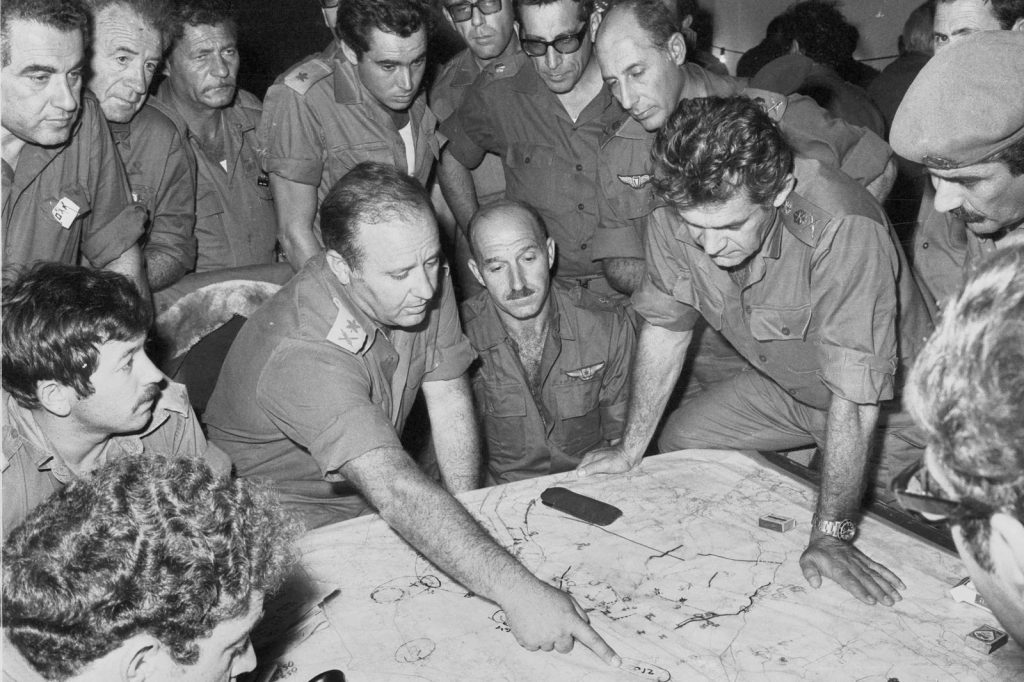
ROME, July 9 — Against this backdrop of simmering tensions across the Middle East and Eastern Europe, the 1973 oil crisis stands as the archetype of how geopolitical conflict can reshape the global economy in a matter of weeks. What is at stake in understanding this episode is not merely historical curiosity. The mechanics of that crisis — an embargo, a price spike, a prolonged recession — have repeated themselves in various forms ever since, each time reminding oil-importing nations of their vulnerability.
The crisis began on October 17, 1973, when the Organization of Arab Petroleum Exporting Countries proclaimed an oil embargo. The target was nations supporting Israel during the Yom Kippur War.
The effect was immediate and severe. Prices quadrupled from $3 to nearly $12 per barrel by March 1974. For European economies heavily dependent on Middle Eastern crude, the shock was particularly acute.
In the corridors of power across Western Europe, the embargo forced a rapid reassessment of energy policy and diplomatic alignment. The wider picture, however, extends well beyond that single year.
The 1973 crisis contributed to a 16-month recession in the United States, from November 1973 to March 1975. Oil-importing countries across the developed world saw similar economic contractions. History shows that oil prices have spiked repeatedly during Middle East conflicts.
The 1979 Iranian Revolution caused a second shock, with prices rising from $13 to $39 per barrel by 1980. During the Gulf War, from August 1990 to February 1991, oil prices doubled from $20 to $40 per barrel. The 2003 Iraq War saw prices rise from $30 to $40 per barrel.
In 2019, after a drone attack on Saudi Aramco’s Abqaiq facility on September 14, prices jumped 15 percent in one day. Each of these events led to recessions in oil-importing countries.
The 2022 Russian invasion of Ukraine pushed Brent crude above $130 per barrel on March 8, 2022. That spike, like those before it, sent shockwaves through European energy markets and reignited debates about energy independence that first emerged in the wake of the 1973 embargo. For European policymakers today, the pattern is unmistakable.
The mechanism that OAPEC deployed in 1973 — using oil as a political weapon — has never truly disappeared. It has merely changed form, from a coordinated embargo to supply disruptions caused by conflict, sanctions, or targeted attacks on infrastructure.
What is at stake now, as tensions persist in the Persian Gulf and the war in Ukraine continues, is whether the lessons of 1973 have been learned. The quadrupling of prices in less than six months remains the benchmark against which all subsequent energy crises are measured. In the corridors of European energy ministries, the 1973 crisis is not treated as ancient history.
It is studied as a case study in how quickly the global order can shift when the flow of oil is disrupted. The recession that followed — 16 months in the United States alone — serves as a warning of what can happen when the mechanism is triggered again.
{“@context”: “https://schema.org”, “@type”: “NewsArticle”, “headline”: “Historical Oil Price Shocks from Middle East Conflicts: 1973 to 2025”, “description”: “ROME, July 9 — Against this backdrop of simmering tensions across the Middle East and Eastern Europe, the 1973 oil crisis stands as the archetype…”, “datePublished”: “2026-07-09T09:30:00+00:00”, “author”: {“@type”: “Person”, “name”: “Beatrice Bianchi”}, “publisher”: {“@type”: “Organization”, “name”: “InfoPulse Today”, “url”: “https://newsfeed.infopulsetoday.com/”}}




