
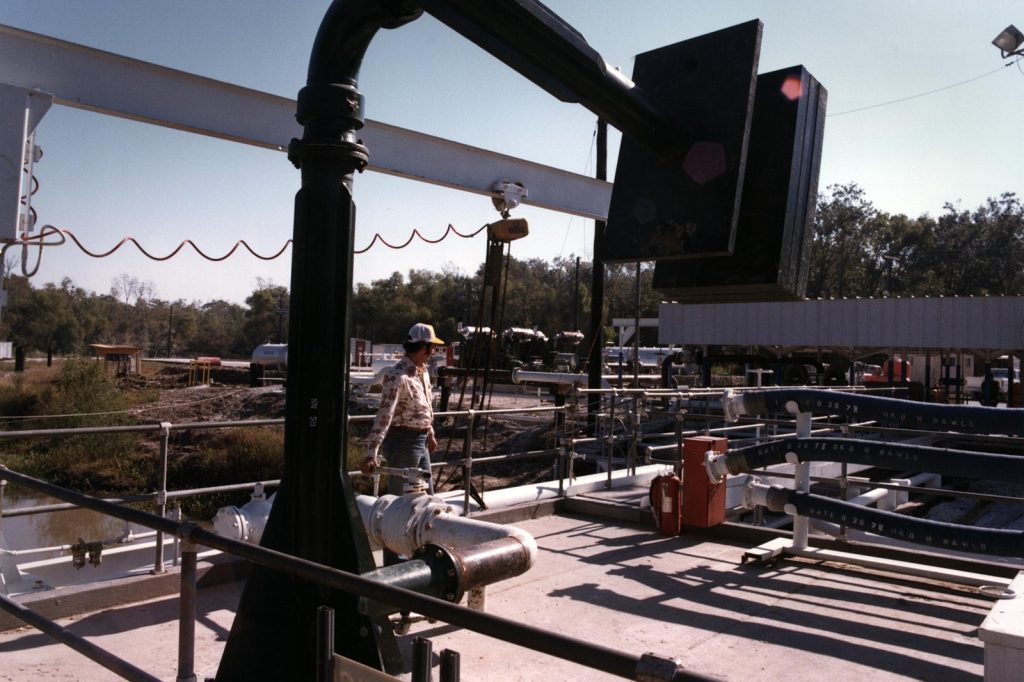
The US Strategic Petroleum Reserve held approximately 316.5 million barrels at the end of the week ending July 10, according to official figures published through July 15, 2026. On March 20 it had held approximately 415.4 million barrels. In less than four months, close to 99 million barrels left the stockpile.
The reserve is not empty. But it is no longer at a level that permits heavy, prolonged drawdowns without worry. The nominal capacity of the network is approximately 714 million barrels, and the oil sits in underground salt caverns along the coasts of Texas and Louisiana. The latest weekly numbers appear in the Energy Information Administration’s database.
Why oil is leaving the caverns
The war and disruption in the Strait of Hormuz have squeezed one of the world’s most important energy routes. Before the crisis, approximately 20 million barrels of oil and petroleum products passed through the strait each day. During March, April and May, average flows fell to approximately 2.7 million barrels per day. The International Energy Agency has called it the largest supply shock in the history of the global oil market.
In March 2026 the US government announced a release of 172 million barrels from the reserve, as part of a coordinated action by International Energy Agency members. Those members committed 400 million barrels in all. Even so, the arithmetic is unforgiving. If emergency stocks covered only five million barrels per day of the shortfall, 400 million barrels would last about 80 days.
Washington’s aim is partly psychological. When traders fear shortages, insurers raise war-risk premiums, tanker charter costs climb, and buyers rush to build inventories, so prices can rise much faster than the real shortage. A release tells the market that other supply exists. The listed goals include slowing the rise in global prices, holding down gasoline and diesel costs at home, supplying refineries, and easing worries about jet fuel and diesel.
Refilling is the hard part
The Department of Energy said a substantial part of the current release is being done through exchanges. Companies receive oil now and must return a larger volume later. The government has spoken of a plan to replace approximately 200 million barrels over one year. That works only if the war eases, enough oil is available and prices fall. If the crisis drags on, oil could leave the reserve faster than it comes back.
Capacity on paper is not the same as capacity in practice. Reports by the US Government Accountability Office have shown that deferred maintenance, aging facilities and operational limits could reduce what the reserve can actually deliver, and repeated large withdrawals can strain the caverns and equipment.
The reserve is also not the only cushion. It is owned by the federal government, and releasing it takes a political and executive decision. Refineries, oil companies and terminals hold commercial inventories of hundreds of millions of barrels of crude and large volumes of petroleum products. The United States is also one of the world’s largest oil producers and depends far less on net imports than it once did. Even so, a closed Hormuz can raise global prices, transport costs and insurance rates, along with the cost of jet fuel, diesel and petrochemical products.




