
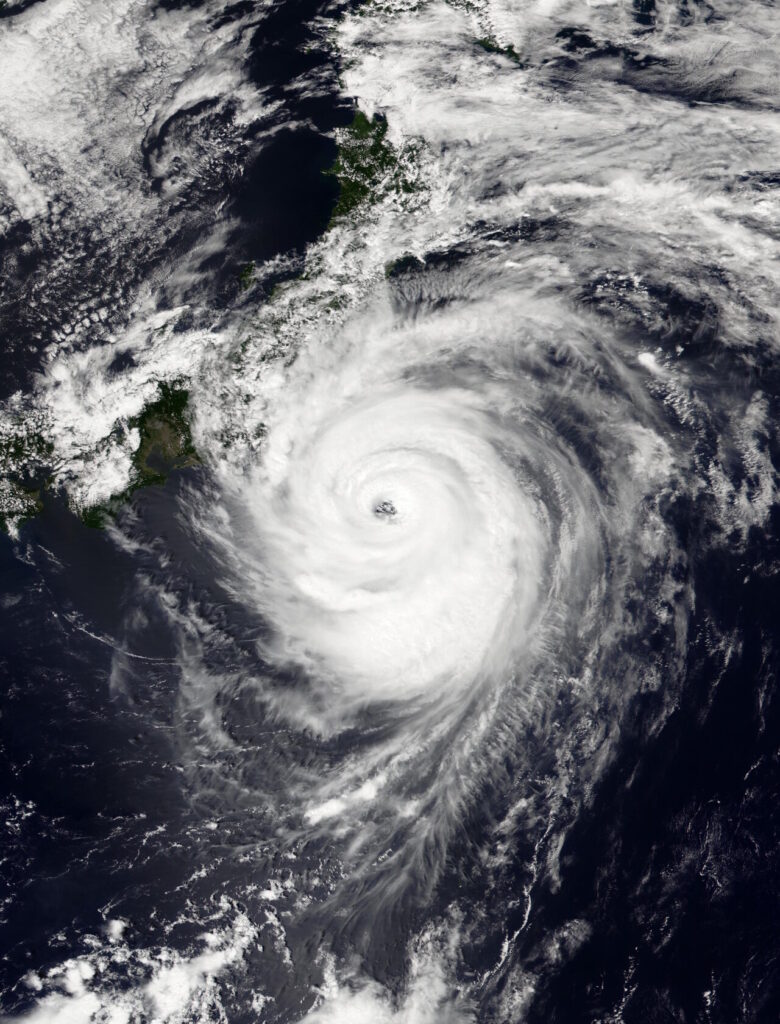
On August 16, 2024, Typhoon Ampil is moving toward northern Japan, leading authorities to issue evacuation orders for communities in the storm’s projected path. Tens of thousands of residents have been told to leave their homes immediately and seek shelter in safer locations.
The approaching typhoon has raised alarms about possible widespread damage and disruption, particularly in mountainous and heavily forested parts of the country. Japan’s location as an island nation in the Pacific Ocean makes it susceptible to typhoons and other extreme weather phenomena. The Japanese archipelago consists of four main islands and more than 14,000 smaller islands, with borders touching the Sea of Japan and the East China Sea.
This geographic setting, combined with the nation’s rugged terrain, can complicate rescue and relief operations when severe weather strikes. Government officials are working to protect the public and limit harm to infrastructure and property.
Emergency teams and equipment have been deployed to support evacuation efforts and assist affected localities. Japan is divided into 47 administrative prefectures and eight traditional regions, together sheltering a population of close to 123 million people. Most of these individuals live in urban centers along the eastern coastal plains, including the densely populated Tokyo metropolitan area.
Because of their high population density, cities such as Tokyo are especially vulnerable to the effects of typhoons and other severe weather events. Residents are being urged to stockpile food and water, secure their homes, and move to designated safe zones.
While the full economic and environmental consequences of Typhoon Ampil remain unclear, its approach has underscorescense has highlighted the importance of robust disaster preparedness and response mechanisms. Past encounters with typhoons and earthquakes have driven Japan to invest in early‑warning systems, reinforced infrastructure, and comprehensive emergency planning. After the storm passes, authorities intend to assess damage, deliver aid to impacted communities, and prioritize the restoration of essential services such as power, water, and transportation.
Looking ahead, Japan’s continued commitment to renewable energy and energy security aims to lessen dependence on fossil fuels and foster a more sustainable environment. This long‑term strategy is viewed as a component of broader disaster resilience efforts.
The international community is monitoring Typhoon Ampil’s landfall with concern, recognizing that the storm’s effects could extend beyond Japan’s borders to neighboring nations. Such cross‑border impacts underscore the value of regional cooperation in disaster response and risk reduction. Countries worldwide are increasingly acknowledging the need for proactive measures to curb the risks associated with extreme weather, including investment in renewable power, waste reduction, and environmental stewardship. These actions are seen as pathways to a cleaner, more resilient planet for future generations.
The period following Typhoon Ampil’s passage will be crucial for Japan as it undertakes recovery and reconstruction. Impacts on the environment, economy, and public health are expected to linger for weeks and months.
Moving forward, policymakers stress the necessity of balancing human well‑being, economic stability, and planetary health. By integrating sustainable development, environmental protection, and disaster resilience, Japan and its global partners aim to build a future where the needs of people and the planet are mutually respected.




