
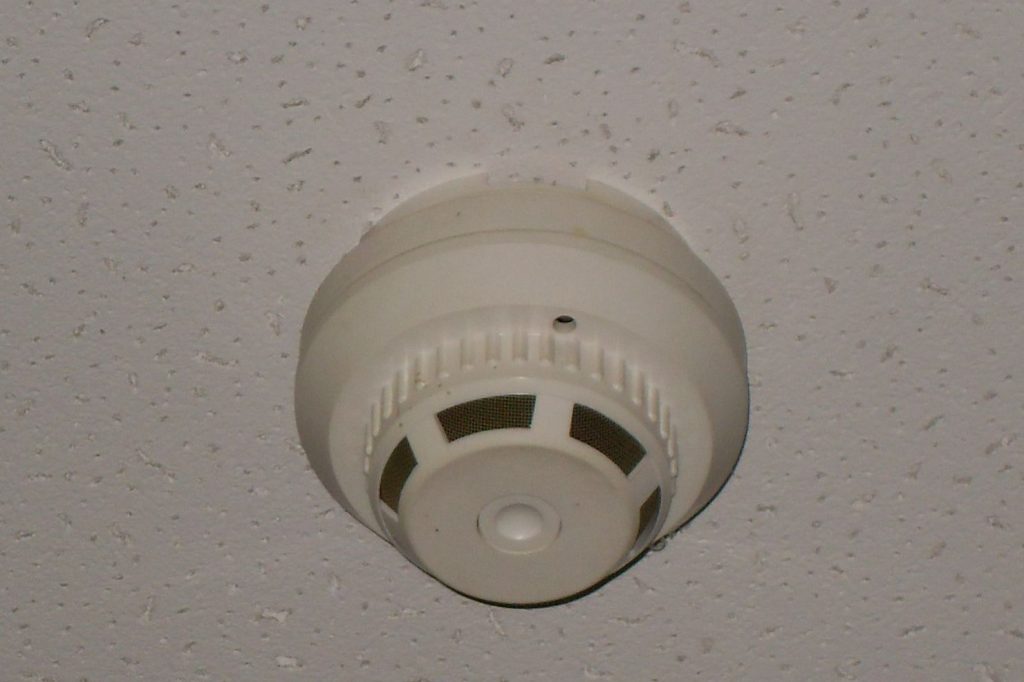
The gap in fire safety between Indigenous communities and the rest of Canada is not closing fast enough. That is the problem the National Indigenous Fire Safety Council, Firefighters Without Borders, and Kidde are trying to fix. Their joint effort just entered a second year.
Sixteen communities are now in line for smoke alarms and education. The need is plain.
Fire-related deaths hit Indigenous communities at a higher rate. The reasons are not mysterious. Homes lack working smoke alarms.
Access to safety resources is poor. The collaboration aims to change that.
Kidde, North America’s number one home fire safety brand, is supplying the hardware. Their annual Cause for Alarm™ campaign is the vehicle. The donation is large.
The exact number of alarms is not stated in the announcement, but the scale covers 16 communities. That is a lot of detectors. But the work does not stop at dropping off boxes.
The program includes educational resources and support for installation. A smoke alarm in a box does nobody any good if it sits on a counter.
The partners are aware of that. They are putting effort into making sure devices get mounted and understood. The National Indigenous Fire Safety Council brings the community knowledge.
Firefighters Without Borders brings the installation muscle and training. Kidde brings the product.
The three groups are trying to build something that lasts. Year two suggests they think the model works. The long-term vision is mentioned in the announcement.
That matters. Fire safety is not a one-time fix. Batteries die.
Knowledge fades. New families move in.
The collaboration is structured to keep going. What happens next is the real question. Sixteen communities this year.
Which ones? The announcement does not name them.
The rollout schedule is not detailed. But the pattern is clear. This is a targeted effort, not a national program.
The higher rate of fire deaths in Indigenous communities is a stubborn fact. It does not change because of one donation. It changes when every home has a working alarm and every resident knows what to do when it goes off.
That takes time. That takes repeated contact.
This is year two. It will take more. The scene on the ground is described as one of heightened awareness.
That is a good sign. Awareness is the first step.
But awareness without action is just worry. The collaboration is trying to turn awareness into working alarms. By nightfall, the announcement says, the impact will be felt in many homes.
That is concrete. That is a family who now has a device that can save their life. That is a child who has seen a firefighter explain what the beeping means.
That is progress. The gap remains.
Nobody is pretending this solves everything. But the partners are back for a second year. They are donating product.
They are providing education. They are helping with installation.
That is more than a press release. That is work on the ground. The higher rate of fire deaths is not inevitable.
It is a problem with solutions. Smoke alarms are one of them. Education is another.
The collaboration is pushing both. The results will show up in the numbers over time.
For now, 16 communities are safer tonight than they were last year. That is the point.




