
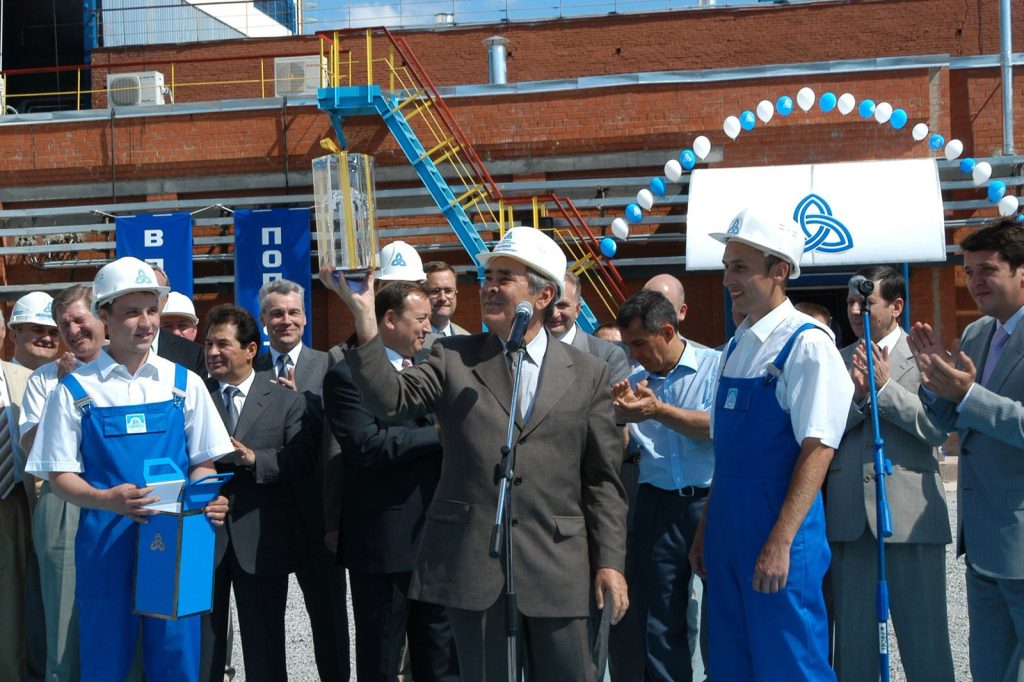
LONDON — A drone strike on January 23, 2025, at the Nizhnekamskneftekhim petrochemical complex in Tatarstan, Russia, exposed a brittle link in global supply chains for plastics and synthetic rubber. The plant, one of the world’s largest petrochemical facilities, produces over 1.7 million tons of ethylene annually, alongside propylene, butadiene, and various polymers. The fire was contained within hours, Russian authorities reported, but the attack’s significance is not measured in containment time.
The mechanics here are straightforward. Nizhnekamskneftekhim, founded in 1967 and owned by TAIF Group — a major Russian holding company with ties to the government — is not a minor regional player.
It is a key supplier to Russia’s automotive, construction, and packaging industries. Its output flows to both European and Asian export markets. Any prolonged shutdown at a facility of this scale does not merely disrupt a single factory; it tightens supply for manufacturers who depend on these base materials and raises costs along the chain.
The vulnerability far from the front
The plant sits in Tatarstan, deep inside Russian territory, far from the front lines of the war in Ukraine. That distance was supposed to be a form of protection. The January 2025 strike demonstrated that critical industrial infrastructure is no longer safe by virtue of geography alone.
Russian authorities reported the fire was contained within hours, but the attack highlighted the vulnerability of these assets. Follow the money.
The plant employs approximately 20,000 workers and contributes significantly to the regional economy of Tatarstan. A production halt at Nizhnekamskneftekhim does not just idle those workers; it stops the flow of ethylene and polymers that feed dozens of downstream factories. The regional economic hit compounds quickly.
Strategic targeting of Russia’s economic base
The strike is part of a broader Ukrainian campaign to target Russia’s economic base. This campaign includes oil refineries, chemical plants, and military factories. The logic is blunt: disrupt the revenue and industrial capacity that funds the war effort.
Nizhnekamskneftekhim is a prime target because it is both a major employer and a critical node in Russia’s export machine. The catch is that these facilities are not easily replaced.
Building a petrochemical complex of this scale takes years and billions of dollars. Repairing one after a drone strike is faster, but the downtime still creates a gap in supply. For global markets that depend on Russian plastics and synthetic rubber, even a temporary gap matters.
On closer reading of the plant’s position in the market, the risks are clear. The plant’s output is essential for Russia’s domestic manufacturing and export markets, with products shipped to Europe and Asia.
Any prolonged shutdown could affect global supply chains for plastics and synthetic rubber. European and Asian buyers who rely on these materials have limited alternatives in the short term. What to watch next is whether further strikes hit similar facilities.
The Ukrainian campaign has demonstrated both the capability and the willingness to reach deep into Russian territory. Each successful strike on a major industrial site tightens the pressure on Russia’s economic base and forces global buyers to rethink their supply chains. The vulnerability of these assets, once assumed to be safe behind the front lines, is now a known factor in the market calculus.
Sources
{“@context”: “https://schema.org”, “@type”: “NewsArticle”, “headline”: “Nizhnekamskneftekhim: Russia’s Top Petrochemical Hub’s Strategic Role”, “description”: “LONDON — A drone strike on January 23, 2025, at the Nizhnekamskneftekhim petrochemical complex in Tatarstan, Russia, exposed a brittle link in global supply chains…”, “datePublished”: “2026-07-14T09:30:00+00:00”, “author”: {“@type”: “Person”, “name”: “Beatrice Ferrari”}, “publisher”: {“@type”: “Organization”, “name”: “InfoPulse Today”, “url”: “https://newsfeed.infopulsetoday.com/”}, “citation”: [{“@type”: “CreativeWork”, “url”: “https://en.wikipedia.org/wiki/Nizhnekamskneftekhim”}]}




