
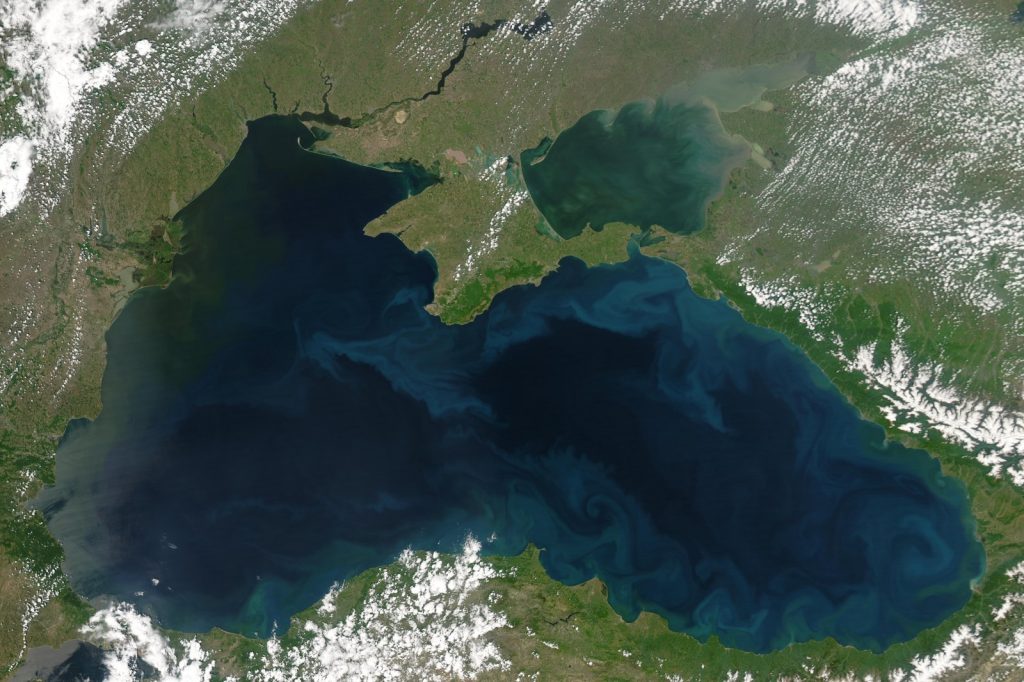
MOSCOW, July 8 — A series of Ukrainian strikes on shadow fleet tankers in the Black Sea is drawing scrutiny from environmental groups, who warn that damaged vessels could trigger a major oil spill in one of the world’s most ecologically sensitive maritime basins. The tankers targeted by Ukraine are often aging, poorly maintained vessels that lack proper insurance and safety certifications, according to available records. This combination of factors, officials confirmed, significantly increases the risk of an oil spill if a strike causes a leak.
The Black Sea is a semi-enclosed basin with limited water exchange, making it particularly vulnerable to pollution. A major spill could harm marine ecosystems, including populations of dolphins, sturgeon, and migratory birds.
Coastal tourism and fishing industries in Ukraine, Romania, Bulgaria, Turkey, and Georgia would also face severe disruption, according to environmental assessments. In 2023, the International Maritime Organization expressed concern about the shadow fleet’s safety record, noting that many vessels had been involved in accidents or detained for deficiencies. The IMO statement underscored the structural risks these ships pose even before any military action.
Ukraine’s strikes are aimed at disrupting Russian oil exports, a key strategic objective in the ongoing conflict. The Ukrainian government has stated that it takes precautions to minimize environmental damage during such operations.
However, Western environmental groups, including Greenpeace, have called for better monitoring and contingency planning to address the potential consequences of a spill. The semi-enclosed nature of the Black Sea means that any significant pollution would be slow to disperse. Limited water exchange with the Mediterranean through the Bosphorus Strait traps pollutants, allowing them to accumulate over time.
This geographic reality, according to marine scientists, makes the basin far more vulnerable to long-term ecological damage than open-ocean environments. The Black Sea supports a range of species that are already under pressure from overfishing, habitat loss, and pollution. Populations of dolphins, sturgeon, and migratory birds are particularly sensitive to oil contamination.
A major spill could kill marine mammals directly through ingestion or inhalation of oil, while also destroying fish spawning grounds and bird nesting sites. The fishing industry, a vital economic sector for coastal communities across Ukraine, Romania, Bulgaria, Turkey, and Georgia, would suffer immediate losses if waters became contaminated.
Tourism, another key revenue source for the region, would also be affected, as oiled beaches and closed fishing grounds deter visitors. Ukraine’s stated precautions, while intended to limit collateral damage, have not been detailed publicly. Greenpeace and other environmental groups have urged all parties to the conflict to implement robust monitoring systems and prepare contingency plans for oil spill response.
The International Maritime Organization’s 2023 warning about the shadow fleet’s safety record has taken on new urgency in light of the current hostilities. Without better monitoring and coordinated contingency planning, the risk of an environmental disaster in the Black Sea remains high.




