
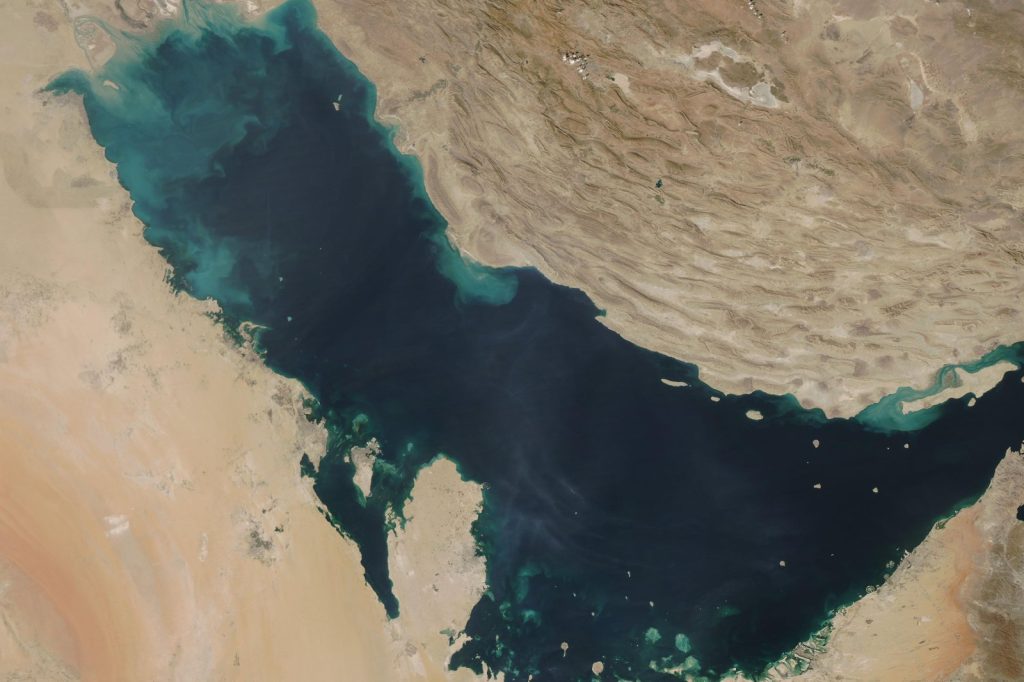
TEHRAN, July 9 — A narrow ribbon of water just 21 miles wide at its most slender point has become the world’s most important energy bottleneck, and it is drawing renewed attention from policymakers and markets alike. The Strait of Hormuz, wedged between Oman and Iran, connects the Persian Gulf to the Gulf of Oman and the Arabian Sea. Approximately 20 million barrels of crude oil and petroleum products move through that channel every day, which works out to about 20% of global consumption.
The practical upshot is that the strait’s geography makes it inherently vulnerable. At its narrowest, the waterway is only 21 miles wide.
That leaves the corridor exposed to blockades or attacks.
A history of tension at sea
This is not a new concern. During the Iran-Iraq War, which ran from 1980 to 1988, the conflict spilled directly into the strait in what became known as the Tanker War. Both sides targeted oil shipping.
More recently, in 2019, Iran seized several tankers in the strait. That string of incidents triggered a 15% spike in oil prices over a two-week period.
It was a reminder of how quickly a localized maritime incident can ripple through global energy markets. The US Energy Information Administration reported that in 2023, 17 million barrels per day transited the strait. The difference between that figure and the 20-million-barrel daily average cited more broadly reflects the natural fluctuation in global oil demand and shipping patterns from year to year.
The market reaction mechanism
The price mechanism here is straightforward but powerful. When traders perceive that supply from the strait could be disrupted, they bid up the price of crude futures to reflect the risk premium. On May 28, 2025, crude oil prices rose 3% to $85 per barrel on concerns about potential supply disruptions in the region.
That single-day move shows how sensitive markets remain to any noise from the strait. Even Iranian threats or seizures can be enough to move prices, because the volume of oil that passes through is simply too large to replace quickly from other sources.
What to watch next
The key question for the months ahead is whether the current relative calm in the strait will hold. The waterway remains the world’s most important oil chokepoint, and its strategic significance shows no sign of diminishing. Any escalation in regional tensions, whether from Iranian seizures of tankers or broader geopolitical friction, could quickly reignite the kind of price spikes seen in 2019 and in May of last year.
For now, the tankers keep moving, and the oil keeps flowing. But in a waterway that narrow, with that much at stake, the margin for error is razor-thin.




