
WASHINGTON, July 19 — When scientists want to know how warm the ocean was during the last ice age, they can’t just check a thermometer. Instead, they read the chemical clues left behind in tiny shells, organic molecules, and coral skeletons. That’s the work of paleoceanography—the study of the ocean’s biological, chemical, and geological history.
And the techniques involved are both precise and, in plain terms, a little bit like being a detective with a very old, very wet cold case. The core challenge is that no one was around to measure sea-surface temperature 20,000 years ago.
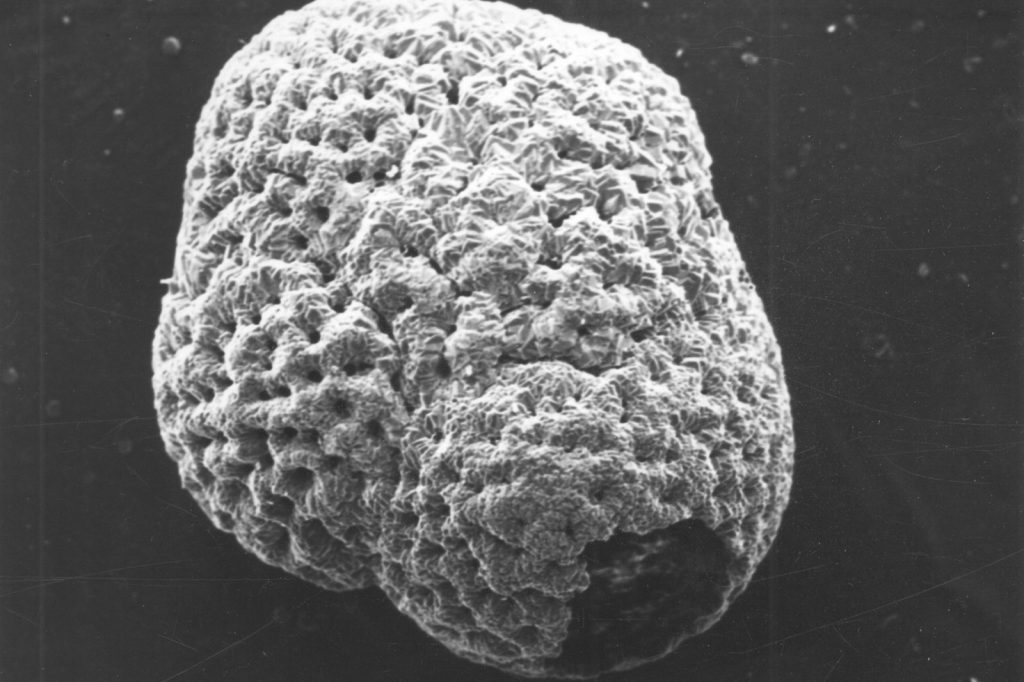
So researchers rely on proxies—indirect measurements that correlate with temperature. These include the ratio of oxygen isotopes in calcium carbonate shells, the ratio of magnesium to calcium (Mg/Ca) in those same shells, and long-chain organic molecules called alkenones produced by photosynthetic algae. Each proxy has strengths and weaknesses, and scientists often combine them to cross-check their results.
Reading the chemical thermometer
Oxygen isotope ratios in the shells of plankton, for instance, respond to both temperature and the amount of ice locked up on continents. During glacial periods, seawater’s oxygen isotope composition gets heavier—technically, δ18O is elevated—which complicates the temperature signal. That means a cold reading might look like an even colder one if you don’t account for the ice effect.
Magnesium-to-calcium ratios in CaCO3 shells offer a more direct temperature link, though they can be influenced by what scientists call “vital effects”—the biological quirks of the organism that built the shell—as well as by cleaning methods and dissolution after death. Despite those complications, Mg/Ca ratios have successfully quantified how much the tropics cooled during the last glacial period.
Alkenones, on the other hand, give a cleaner picture. These molecules, made by photosynthetic algae, reflect near-surface water temperatures more directly than some other proxies.
What about the deep ocean?
For bottom-water temperature, the go-to proxy is Mg/Ca ratios in the shells of benthic foraminifera and ostracodes—tiny creatures that live on the seafloor. These ratios have confirmed that the deep ocean cooled by up to a measurable amount during late Pleistocene glacial periods. That shift represents an enormous amount of stored heat energy—with major implications for climate and sea level.
A landmark calibration study by Lear and colleagues in 2002 drove the point home. The researchers collected data from multiple locations across a range of water depths and examined several different species of benthic foraminifera.
From that work, they derived an exponential equation linking bottom-water temperature to Mg/Ca ratios: Mg/Ca = 0.867 ± 0.049 times e to the power of (exponent truncated in the original source). The practical upshot for today’s climate science is that this kind of calibration gives researchers a reliable tool for peering into the ocean’s thermal past—and, by extension, for testing the models we use to predict future warming. The field continues to refine these methods.
As scientists push further back in time and into more extreme climate states, the interplay between temperature proxies and the effects of ice volume, dissolution, and vital effects will remain a live area of research. The next step, in all likelihood, is narrowing those uncertainties even further—because the better we understand how the ocean responded to past changes, the clearer our picture of what lies ahead.




