
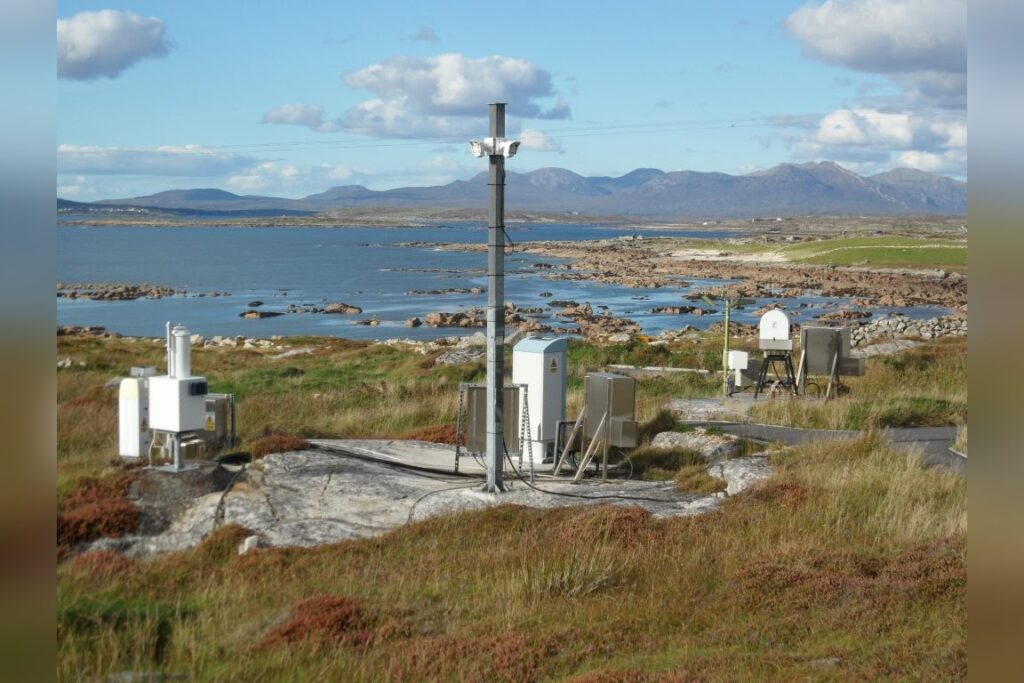
On January 24, 2025, a powerful storm system swept across Ireland, delivering a wind gust that was provisionally measured at 183 kilometres per hour in Connemara, County Galway. The same event produced a sustained mean wind speed of roughly 135 km/h.
If the provisional reading is confirmed, both figures would surpass the country’s existing wind records.
How Gusts Form and Why They Vary Across the Landscape
Wind gusts are brief, sudden spikes in speed that usually last less than twenty seconds before the flow eases, only to potentially spike again as the storm evolves. Meteorologists note that the intensity and frequency of these bursts depend heavily on the surface over which the air travels. Over open water the flow tends to be smoother, producing fewer gusts, whereas rough terrain, hills and built‑up areas disrupt the airflow and generate more frequent, stronger spikes.
Understanding this relationship helps forecasters anticipate where the most damaging bursts might occur.
Community Response and Recovery Efforts
In the aftermath, residents of Connemara and nearby areas have begun clearing debris, assessing damage to homes and infrastructure, and coordinating with local authorities for emergency assistance. Volunteer groups and civil defence teams are providing shelter, food and basic supplies to those displaced.
Insurance claims are being filed, and repair crews are working to restore power and communications networks that were disrupted by the high winds.
Immediate Impacts and the Renewable Energy Conversation
As recovery gets underway, attention is turning to how Ireland’s abundant wind resources could be harnessed to improve energy security and lower costs. By expanding wind‑power capacity, policymakers and industry leaders aim to reduce reliance on imported fossil fuels, cushion the economy against price volatility and contribute to a cleaner environment. Proponents argue that using the very force that caused the storm to generate electricity could turn a natural hazard into a long‑term asset, while also preserving the scenic landscapes that define the region.
Looking Ahead: Resilience, Sustainability and National Priorities
While the full scale of the destruction is still being clarified, the event serves as a reminder of the power inherent in Ireland’s climate. Moving forward, officials stress that investment in clean‑energy technologies, energy‑efficient infrastructure and sustainable land‑use planning will be essential to build a society that can withstand similar extremes.
Balancing economic development with environmental stewardship will require coordinated action, innovative thinking and a willingness to allocate resources toward renewable projects and resilient infrastructure. By pursuing this path, Ireland hopes to protect its natural heritage, support local economies and contribute to a healthier planet for future generations.




