
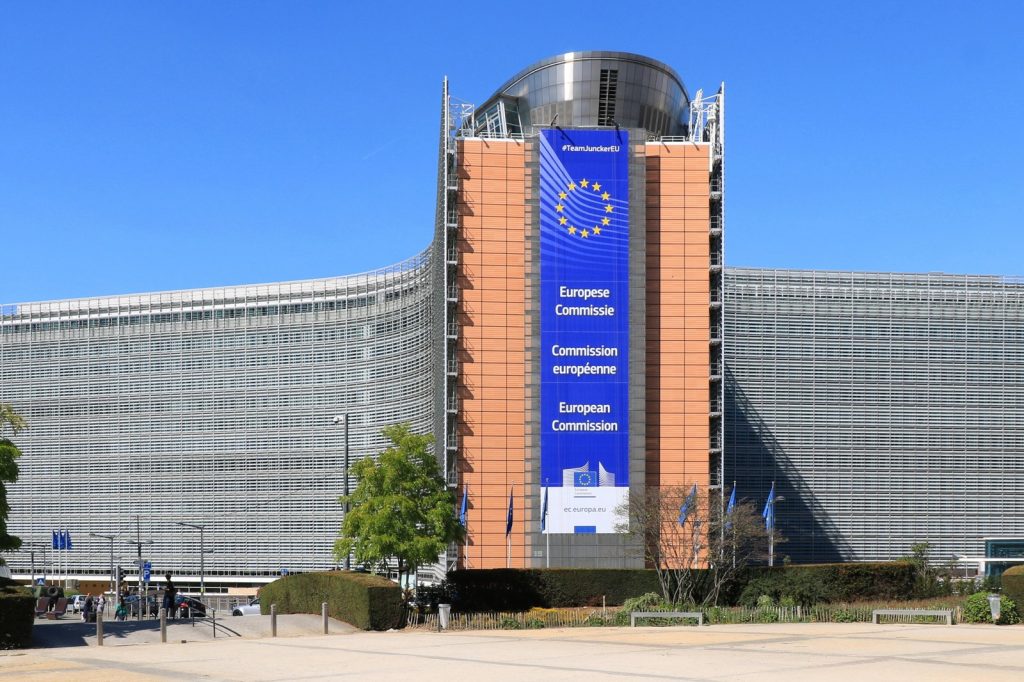
BRUSSELS, September 10 — The European Commission has put forward the European Radioisotope Valley Initiative (ERVI), formally designated C/2026/6132, a new strategic framework aimed at strengthening Europe’s leadership in the production of medical radioisotopes. The initiative, announced by the Directorate-General for Energy, seeks to reinforce EU security of radioisotope supply, guide investment in the sector, and reduce strategic dependencies on third countries, in particular Russia. According to the Commission, more than 10 million medical procedures using radioisotopes are performed in the EU every year, mainly in oncology and cardiology.
An EU-wide production and distribution network supplies radioisotopes to patients across Europe daily.
Europe’s leading role — and its vulnerabilities
The EU has become the world’s leading producer of medical radioisotopes, exporting about half of its production overseas. The encouraging part is that this position is not in question. What the Commission has identified, however, is that critical parts of the European supply chain remain exposed to dependencies on foreign suppliers, ageing production facilities, and competition from alternative suppliers.
Those pressures create risks of investment displacement and higher costs. Global demand for medical radioisotopes and the pace of innovation in the area are increasing.
The ERVI communication responds by defining a coordinated approach to supporting investments in research and development, bringing innovation to market, addressing value chain dependencies, and increasing production capacity. The initiative also provides a direct contribution to the REPowerEU Roadmap towards ending Russian energy imports.
Five priorities, ten actions
The Communication establishes five strategic priorities and 10 actions. The Commission will support research and innovation into next-generation medical radioisotopes, radiopharmaceuticals, and production technologies. A Strategic Research and Innovation Agenda (SRIA), as used in other sectors, will help better connect research with market needs and patients.
Instruments such as the emerging IPCEI for innovative nuclear technologies, the European Innovation Council, and new European partnerships can help mobilise public and private investment to accelerate innovation deployment. The initiative aims to guide and support Member States and industry investments across the medical radioisotope value chain to strengthen the resilience and localisation of EU supply.
Priorities include the development of EU-based metallic High Assay Low Enriched Uranium (HALEU) capacity and production of stable isotopes currently imported from Russia. The framework is part of broader EU efforts to reduce strategic dependencies and enhance energy and health security. For patients across Europe, the practical effect of the initiative will depend on how quickly these investments translate into reliable supply.
Early findings suggest the direction is sound, but the work is only beginning. Patients should talk to their doctor about any questions regarding radioisotope-based procedures. Consult your doctor for medical advice.




