
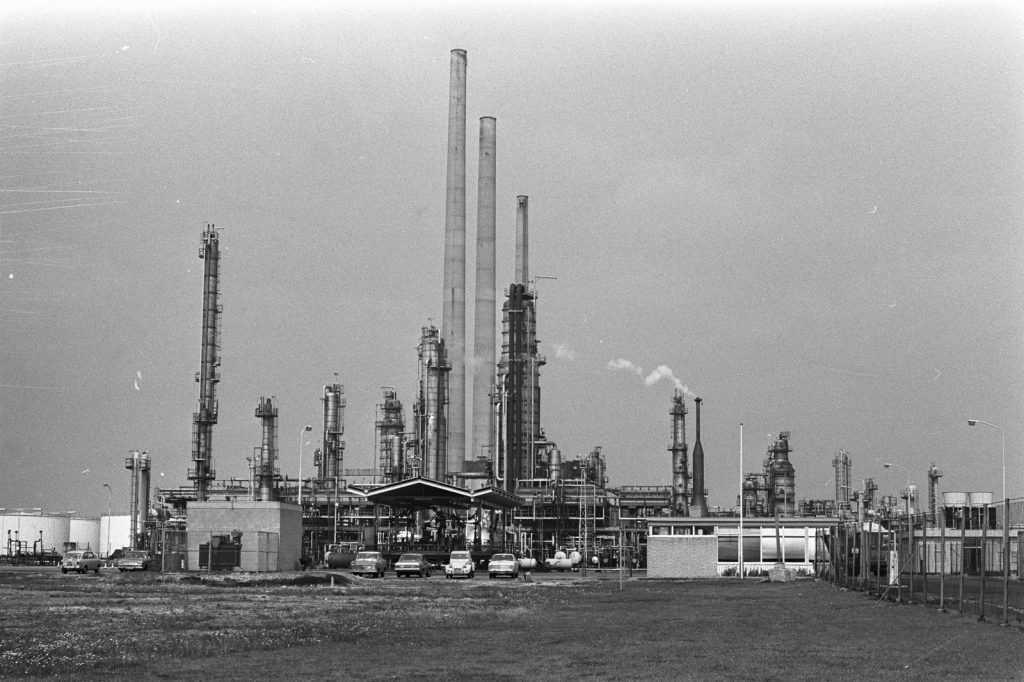
MOSCOW, September 15 — The global oil industry is confronting a fuel crisis driven by years of underinvestment in refining capacity, tightening sanctions on major producers, and rising demand, according to oil executives and market analysts. The warning comes as diesel and gasoline inventories in key markets have fallen to multi-year lows and pump prices have surged in the United States and Europe. The record shows the pressure has been building since the COVID-19 pandemic, when demand collapsed and refiners shut down less profitable plants.
According to the International Energy Agency, global refining capacity fell by about 2 million barrels per day between 2020 and 2022, while demand recovered faster than expected. In the United States alone, refinery closures during the pandemic removed over 1 million barrels per day of capacity.
Among them was the Philadelphia Energy Solutions refinery, which shut down in 2019 after a fire and filed for bankruptcy. The remaining refineries have been running at high utilization rates, often above 90%, leaving little cushion for unexpected outages. Sanctions have compounded the shortfall.
After Russia’s invasion of Ukraine in February 2022, the United States and its allies imposed an embargo on Russian oil, and the European Union banned most seaborne imports of Russian crude and refined products. Russian diesel and fuel oil have been diverted to other markets, but the loss of Russian refining output has tightened global supplies.
The OPEC+ group, led by Saudi Arabia and Russia, has meanwhile been cutting production to support prices, further reducing crude availability.
Diesel at the centre
The combination has pushed diesel prices sharply higher. Diesel is critical for trucking, farming, and heating. In the United States, diesel prices reached over $5 per gallon in 2022, the highest on record, according to the Energy Information Administration.
In Europe, natural gas and electricity prices also spiked, but diesel remains a key concern. Oil executives, including those from major integrated companies such as ExxonMobil, Chevron, and Shell, have warned the crisis could worsen if investment in new refining capacity does not increase.
They point to regulatory hurdles, environmental opposition, and the long lead times for building new refineries, which can take five to ten years. Some executives have called for government policies to encourage refining investment, while others have emphasized the need for a balanced energy transition. The crisis has also highlighted the vulnerability of a global fuel supply chain heavily dependent on a few key refining hubs, such as the US Gulf Coast, Northwest Europe, and Singapore.
Any disruption in these regions can have outsized effects. The IEA has warned that the world could face a supply crunch for oil and gas in the coming years if investment in fossil fuels continues to decline.
The agency also notes that the crisis could accelerate the transition to renewable energy and electric vehicles. The US government has released oil from the Strategic Petroleum Reserve to cool prices, with the SPR falling to its lowest level since 1984. As of early 2023, the SPR held about 370 million barrels, down from over 600 million barrels in 2020.
The crisis has led to calls for increased domestic production and refining capacity in the United States, but environmental groups argue that expanding fossil fuel infrastructure is incompatible with climate goals. The debate is likely to intensify as the world grapples with the twin challenges of energy security and climate change. What to watch next is whether refining investment returns — and how quickly.
New capacity takes years to come online, and in the meantime the market has little room to absorb the next outage.




