
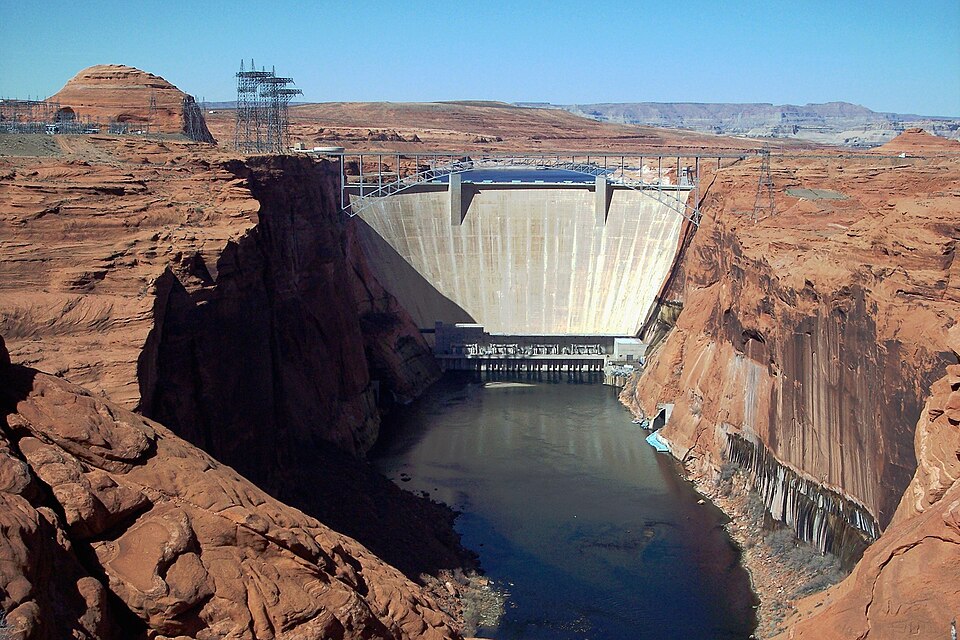
PAGE, Arizona, August 8 — No cool water will flow from Glen Canyon Dam this year. The figure that matters: zero. That’s how many cool water releases the U.S. Bureau of Reclamation will execute in 2026, a decision confirmed in an email obtained by The Associated Press.
The call, announced Thursday, cites ‘significant hydropower generation concerns under already strained system conditions.’ By the numbers, the trade-off is stark. Cool water releases, designed to shield the threatened humpback chub from warmer river temperatures, bypass the dam’s turbines.
That means less hydropower at a time when the Colorado River basin—serving over 40 million people across California, Colorado, Arizona, tribal nations, and Mexico—is already stretched thin. The Bureau’s move underscores a growing tension: energy production versus environmental protection in a river system under pressure. The announcement lands after the basin recorded its worst snowpack on record, compounding water scarcity woes.
Just a week prior, federal officials floated new measures to tackle the river’s shrinking levels and chronic overuse.
Power vs. Fish
Cool water releases are a lifeline for the humpback chub, a native species whose survival is threatened by rising water temperatures. But the method comes at a cost. Bypassing turbines to release cooler water from the dam’s depths slashes hydropower output—an outcome the Bureau now deems unacceptable amid strained conditions.
Investors will note the broader implications. The Colorado River basin is a critical water and power source for major economies in the Southwest.
Reduced hydropower output could ripple through regional energy markets, while the environmental fallout—potential harm to the humpback chub—adds regulatory and ecological risk.
Dwindling Water, Tough Choices
The decision follows a dire hydrological picture. This year’s snowpack was the worst on record for the basin, a key indicator of water supply. Federal officials, just days before the Bureau’s announcement, proposed fresh steps to address the river’s dwindling levels and persistent overuse.
The exact measures weren’t detailed in the source, but the context is clear: every drop counts. The bottom line: water and power are in short supply, and the Bureau’s choice prioritizes the former’s role in energy generation over the latter’s ecological benefits.
For now, the humpback chub will have to endure warmer waters. What to watch next: how the Bureau balances these competing demands as the basin’s strain shows no signs of easing. With over 40 million people and a fragile ecosystem in the mix, the stakes couldn’t be higher.




