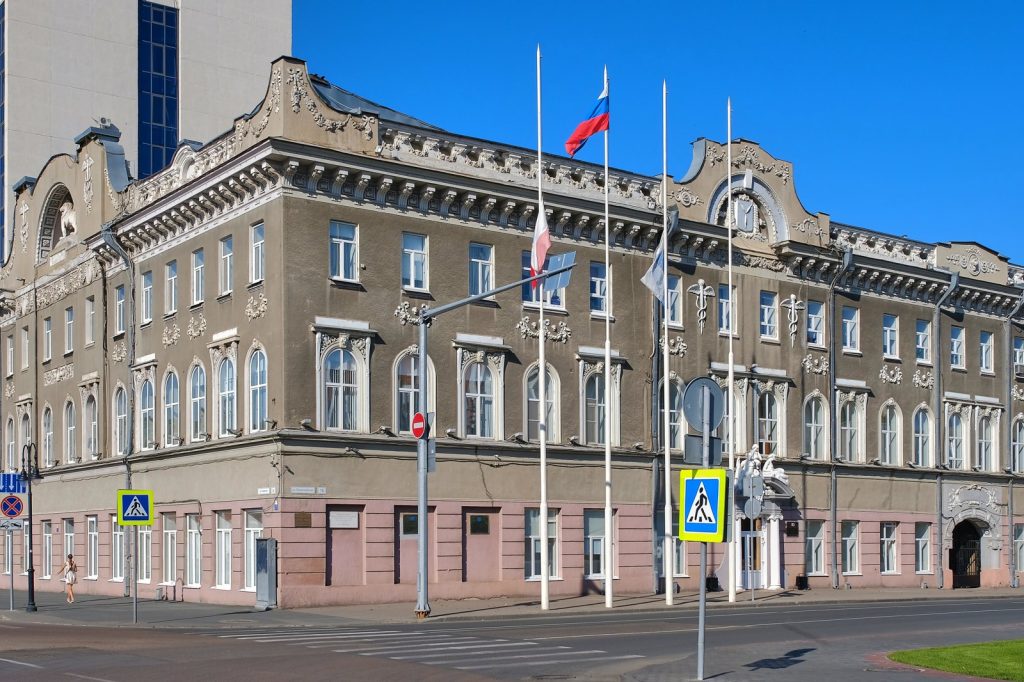
Rescue teams in Saratov began clearing debris on Thursday when the casualty figures were confirmed: six people lost their lives, including a child, and seven others sustained injuries. The blast, which struck a ten‑storey residential building on July 25, 2025, also damaged or destroyed more than thirty apartments, leaving dozens of families without homes.
The incident has highlighted the vulnerability of the city’s aging gas infrastructure. Much of the pipeline network runs beneath streets that predate widespread automobile use, the Soviet era, and Saratov’s recent development as a Volga‑River trade hub. Officials have pledged a comprehensive investigation, a standard response after such disasters, but the emphasis now turns to concrete actions that will prevent a repeat.
Saratov, home to 901,361 residents according to the 2021 census, has a long history that stretches back to the Golden Horde and later the Volga German community, which shaped the city’s cultural and architectural heritage. Yet the sudden, intimate nature of a gas explosion in a residential tower presents a different kind of wound—one that could have been avoided with more rigorous maintenance and inspection of the gas lines.
The destruction of over thirty apartments means that many households have lost personal belongings, documents, and the everyday items that make a house a home. Municipal authorities now face the task of providing temporary shelter, financial compensation, and eventually rebuilding the damaged housing stock. While Saratov’s status as a major port grants it certain resources, the scale of displacement tests the capacity of any local government.
Gas explosions in Russian apartment blocks are not unprecedented, and the pattern often repeats: a leak, an ignition source, a collapse, followed by investigations, promises, memorials, and then a period of relative silence until the next incident. Saratov’s officials have used language such as “necessary measures” to describe the steps they intend to take.
This could encompass tighter safety inspections, stricter enforcement of building codes, or accelerated replacement of old pipelines. However, without clear funding and administrative will, such statements risk remaining vague. One alternative mentioned in the official report is a shift toward renewable energy—specifically wind and solar—given Saratov’s location on the Volga River and its exposure to both wind and sunlight.
Transitioning to these sources would reduce reliance on natural gas, thereby lowering the risk of similar catastrophes. Nonetheless, the development of renewable infrastructure requires significant investment and several years to become operational, a timeline that does not address the immediate needs of those displaced by the blast.
Families gathered outside the ruined building tonight are seeking answers: why the gas failed to remain contained, who is accountable, and how the city will prioritize gas safety moving forward. The investigation is expected to identify the cause, whether it be a contractor’s shortcut, a utility’s missed inspection, or a resident’s failure to report a gas odor. The broader issue remains systemic; a city of nearly one million cannot rely on chance to keep its structures safe.
Rebuilding will inevitably follow, as it does after any major disaster. Yet reproducing the same infrastructure without addressing its deficiencies would likely lead to a similar outcome.
The true test of the authorities’ commitment will be reflected in the lives of the six victims, the injured, and the families whose apartments were destroyed. Their experience will determine whether the promised thorough investigation translates into lasting change for Saratov.