
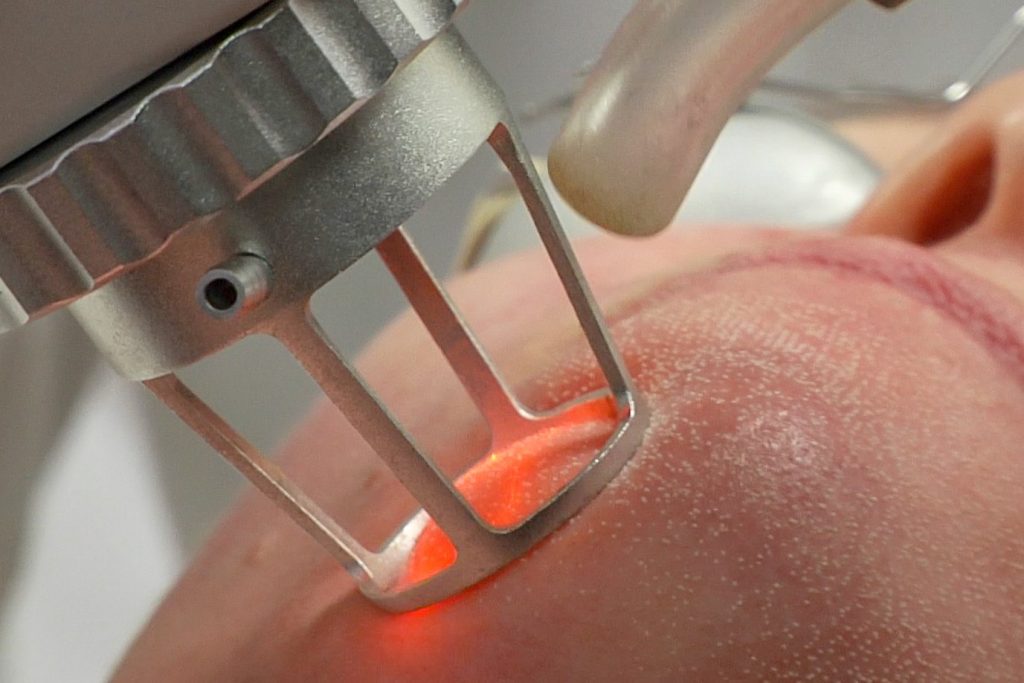
MARLBOROUGH, Mass. — The line between cosmetic dermatology and cancer biology just got thinner. A peer-reviewed study published today in Scientific Reports, a Nature Portfolio journal, shows that Candela’s Nordlys laser can rewire the skin’s aging clock at the molecular level. The paper, released at 09:07 ET by Candela Corporation, offers the first in vivo human evidence that a non-ablative fractional laser does more than smooth wrinkles.
It alters DNA methylation — the epigenetic switches that turn genes on or off. Methylation patterns shift as skin ages.
Sun exposure accelerates those shifts. Scientists have long known these changes drive both wrinkles and skin cancer. The new data suggest the 1940 nm laser reverses some of those age-related methylation marks.
That is a molecular reset, not just a surface polish. The implications stretch beyond the dermatologist’s office.
Because the same epigenetic changes that age skin also prime cells for malignancy, the findings open a door to cancer prevention. Researchers see potential applications in treating precancerous lesions or lowering skin cancer risk. The study directly ties a cosmetic laser to skin cancer biology — a link the paper’s authors call direct and molecular.
Candela, based here in Marlborough, manufactures the Nordlys system used in the research. The company announced the study results this morning. The publication in a Nature Portfolio journal gives the work peer-reviewed weight. Scientific Reports does not publish fluff.
This is not about a new cream or a better sunscreen. It is about a device that changes how skin cells read their own DNA.
Non-ablative fractional lasers have been used for years to resurface skin without burning the top layer off. The assumption was that they worked by triggering collagen production and wound healing. The new evidence says that was only part of the story.
The laser is editing the skin’s epigenetic signature. That changes the conversation.
Dermatologists now have to think about lasers as tools that alter gene expression. The data come from human skin in vivo — not a petri dish, not a mouse. That matters.
In vivo human evidence is the gold standard for translational medicine. The study lands at a moment when the field of epigenetics is exploding. Researchers are finding that lifestyle, diet, and environmental exposures all leave marks on the genome.
Some of those marks are reversible. This paper shows that a specific wavelength of light can erase some of the marks associated with aging.
It is a targeted, non-invasive intervention. Skin cancer remains the most common cancer in the United States. Basal cell carcinoma, squamous cell carcinoma, and melanoma together account for millions of cases each year.
Epigenetic changes are among the earliest events in skin cancer development. If a laser can reverse those changes, it could shift the risk calculus for patients with sun-damaged skin.
The study was published at 09:07 ET. That precise time stamp suggests a coordinated release. Candela is not a startup.
It is an established medical device company with a global footprint. The company put the study in a high-tier journal. That signals confidence in the data.
For now, the findings are a research milestone. They are not a clinical protocol.
No one is saying patients should get laser treatments to prevent cancer. But the molecular evidence is on the table. The next step is longer-term studies to see whether the epigenetic changes translate into lower cancer rates.
The paper does not name the researchers. The report does not give their names.
What it gives is a clear finding: a 1940 nm non-ablative fractional laser remodels DNA methylation in human skin. That is a fact. And it is a fact with consequences.




