
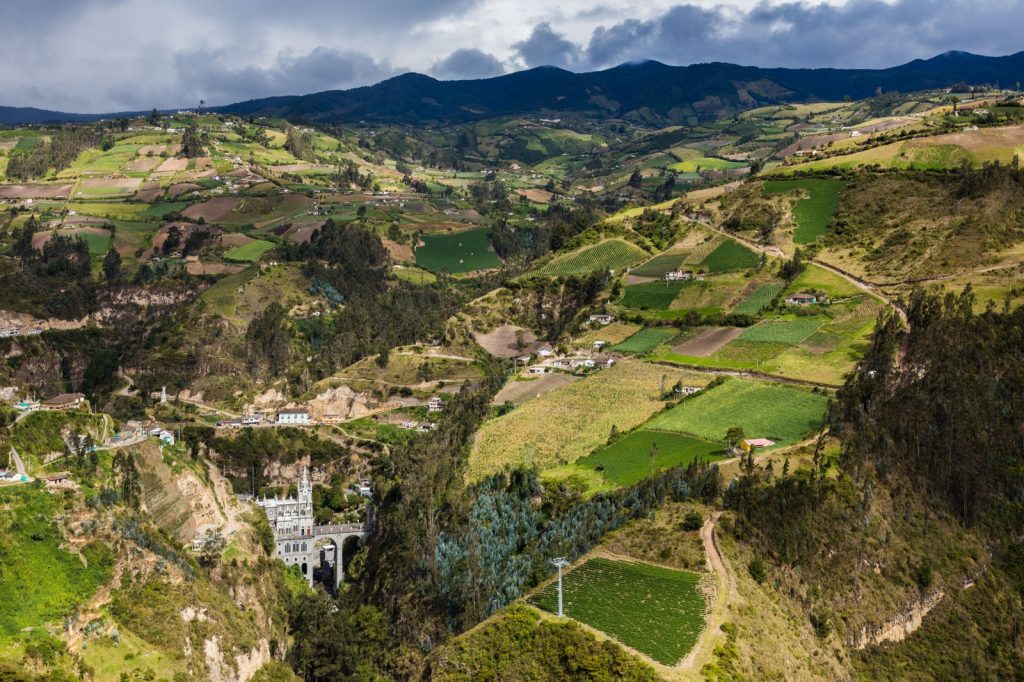
A serious bus crash on a section of the Pan-American Highway in Colombia has left at least twelve people dead and thirty others injured. The incident occurred when the vehicle, which was carrying tourists, plunged into a ravine along the route between Pasto and Rumichaca in the Nariño Department.
The stretch of highway where the accident took place is known for its difficult conditions, including steep drops and winding roads that require careful driving. This event has drawn attention to the broader challenges of maintaining safety on one of the world’s most extensive road networks. The Pan-American Highway spans roughly 30,000 kilometers, connecting fourteen countries from Prudhoe Bay, Alaska, to Ushuaia, Argentina.
Recognized as the longest road globally, its vast scale and varied landscapes create ongoing difficulties for upkeep and safe travel. The highway passes through multiple climates and terrains, making consistent safety measures a significant concern.
Local authorities and community members are now working together to offer aid to those affected by the crash and their families. An investigation has been launched to determine the causes of the accident. Officials are expected to examine several factors, including the bus’s mechanical condition, the state of the road infrastructure, and the driver’s actions. A thorough and open inquiry is seen as essential for identifying lessons that could help prevent similar tragedies in the future.
This incident serves as a reminder of the need to prioritize safety in transportation infrastructure, especially in regions with challenging geography. The Pan-American Highway is a critical route for moving people and goods across the continent, supporting local economies and enabling cultural exchange.
However, its complexity demands regular maintenance and safety inspections to reduce risks for travelers. In recent years, there has been growing attention on promoting sustainable tourism and environmental conservation in the area. The accident underscores that safety must remain a top priority alongside these efforts.
Ensuring that tourists can experience the natural beauty of the region without compromising their well-being requires ongoing investment in reliable infrastructure. As the world becomes more interconnected, the importance of efficient and safe transportation networks continues to grow.
The goal is to build a system that supports both people and the planet through responsible development. This includes considering energy security and cost-effectiveness, such as adopting renewable energy sources to reduce environmental impact and reliance on finite resources. The investigation into the crash will likely inform future policies aimed at improving road safety.
By addressing the challenges posed by the Pan-American Highway’s length and varied conditions, authorities hope to create a more resilient and secure network for all who use it.




