
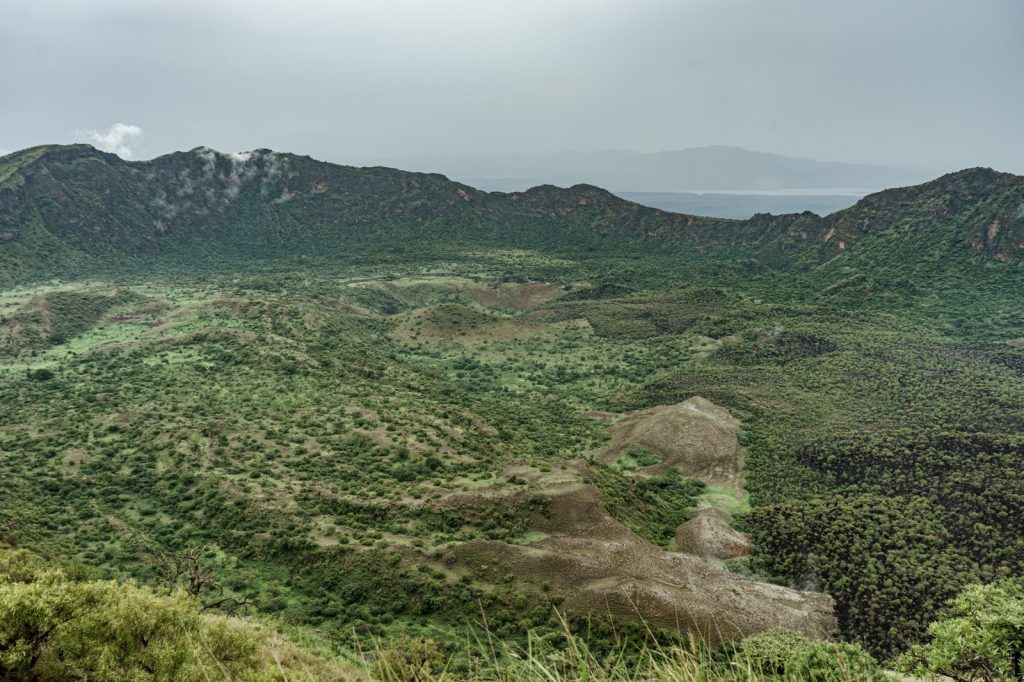
Mount Fentale, a stratovolcano in central Ethiopia, has shown signs of activity for the first time since the 1800s, prompting authorities to order evacuations. The volcano, located near Addis Ababa, has begun experiencing volcanic tremors, raising concerns about a potential eruption.
The capital, home to approximately 135 million people and serving as the seat of the African Union, faces significant risk due to its proximity to the restless mountain. Evacuations are currently underway as the government works to minimize threats to communities. The region’s geography, however, complicates these efforts.
Ethiopia lies along the East African Rift, a 6,000-kilometer-long fracture in the Earth’s crust stretching from Lebanon to Mozambique. This area is among the most geologically active zones globally, with tectonic forces that created the rift now posing a danger near a major urban center.
Mount Fentale is one of many volcanoes dotting the rift, but it is the one currently showing unrest. The last eruption occurred in the 19th century, and volcanoes that remain dormant for extended periods can awaken violently. Tremors indicate magma movement underground, though the specific data used by Ethiopian authorities to make the evacuation decision has not been detailed.
Scientists typically monitor signs such as ground deformation, gas emissions, and increased earthquake frequency, and the decision to evacuate suggests authorities perceive a real threat. The environmental stakes are considerable.
Ethiopia’s unique biodiversity includes species found nowhere else on Earth. A major eruption could scorch ecosystems, bury habitats under ash, and contaminate water sources. Ashfall, in particular, can cover hundreds of kilometers, collapsing roofs, destroying crops, and grounding aircraft. The country already faces climate pressures, and a volcanic disaster would exacerbate them.
The government’s response has been swift, with evacuations requiring coordination, resources, and public trust. Ethiopia has experience with natural disasters such as floods, earthquakes, and drought, but a volcanic eruption near the capital represents a different level of threat.
The country’s diverse landscapes, ranging from highlands to lowlands, create uneven evacuation routes, and some communities are remote. Authorities must reach these areas before the volcano’s activity dictates their fate. What happens next depends on the volcano’s behavior.
Tremors can escalate into an eruption within days or weeks, or they can subside, leaving the mountain quiet again. Either way, the evacuation is a necessary precaution to protect lives.
The East African Rift will continue to shift as the African and Somali plates pull apart millimeter by millimeter, a process that creates volcanoes, earthquakes, and new land. Mount Fentale is a symptom of this larger geological force, which Ethiopia cannot stop but can only prepare for. For now, the focus remains on the people near the volcano—their homes, livestock, and crops.
The government is working to protect them, and the coming days will reveal whether the mountain remains quiet or erupts after more than a century of dormancy.




