
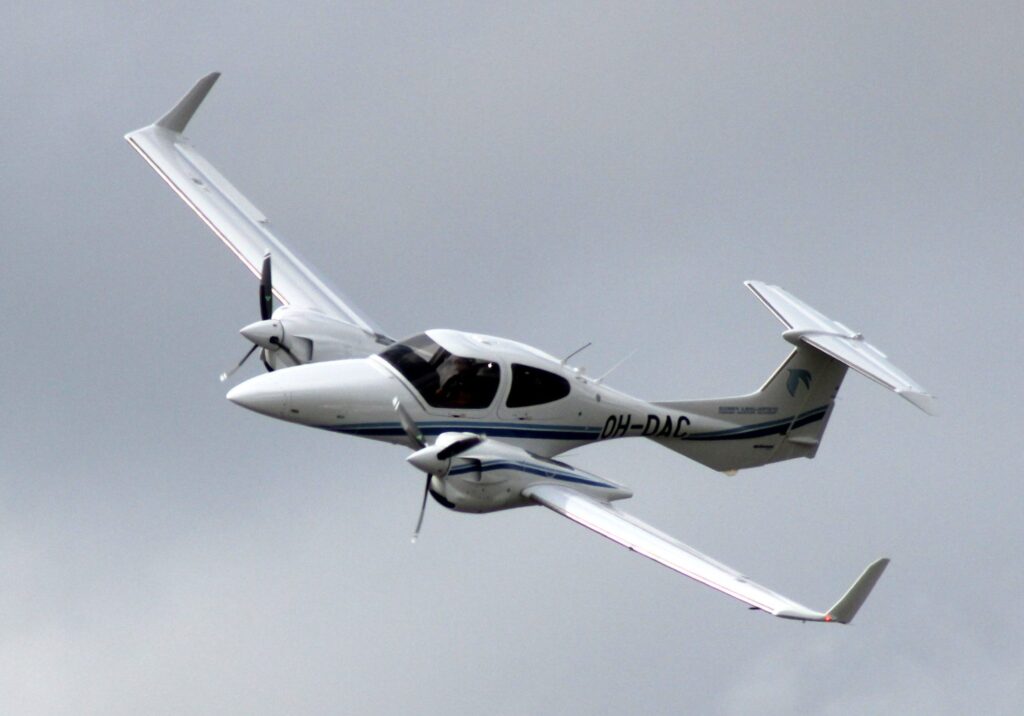
On 29 April 2026 a Diamond DA42 Twin Star aircraft struck a hangar at Parafield Airport in South Australia, killing two people and leaving eleven others injured. The four‑seat, twin‑engine, propeller‑driven airplane impacted the structure during a routine operation at the busy regional airfield, which serves a wide variety of aviation activities. The DA42 Twin Star, produced by Diamond Aircraft Industries—a subsidiary of China‑based Wanfeng Aviation—has a notable service record.
In 2004 the model became the first diesel‑powered fixed‑wing aircraft to complete a non‑stop crossing of the North Atlantic, a milestone that underscored its reliability and performance. By 2012 the type had secured a strong presence among government, military and civil operators, contributing significantly to Diamond’s revenue stream.
Powered by two diesel engines, the DA42 offers a blend of fuel efficiency and power that has appealed to operators in markets where operating costs are a key concern. The diesel propulsion system also highlights the aircraft’s role in demonstrating the viability of alternative fuels within aviation, an area that industry stakeholders view as important for energy security and cost reduction. Parafield Airport, the site of the crash, is a major aviation hub in South Australia.
Its facilities are designed to accommodate a range of aircraft, including twin‑engine planes such as the DA42. The airport’s infrastructure supports both commercial and general‑aviation activities, and it maintains standards intended to ensure safe operations for the diverse traffic it handles.
Emergency services responded quickly to the scene, extracting the two fatalities and treating the eleven injured passengers and crew. Local hospitals received the injured for medical care, while authorities began a formal investigation into the causes of the accident. The probe will examine factors such as aircraft condition, pilot actions, weather, and runway environment, with findings expected to inform future safety measures. The aviation community is watching the investigation closely, given the DA42’s reputation for durability and its use by a variety of operators worldwide.
Insights from the inquiry could have broader implications for the safety oversight of diesel‑powered aircraft and for hangar proximity guidelines at busy airports. Beyond the immediate tragedy, the incident reinforces the industry’s ongoing emphasis on safety culture.
Stakeholders have reiterated that continual investment in safety training, rigorous maintenance regimes, and the adoption of emerging sustainable technologies remain essential to preventing similar events. Looking ahead, the sector continues to explore more efficient and environmentally responsible aircraft designs. The DA42’s diesel engines illustrate one pathway toward reduced fuel consumption and lower emissions, aligning with broader goals of energy security and operational cost savings.
As regulatory bodies and manufacturers push for greener aviation solutions, the balance between performance, sustainability and safety will shape the next generation of aircraft. The Parafield Airport crash serves as a stark reminder of the risks inherent in aviation, even with aircraft that boast proven track records.
While investigations proceed, families of the victims, the injured, and the wider aviation community await answers that may help prevent future tragedies and support the ongoing evolution toward a safer, more sustainable industry.




