
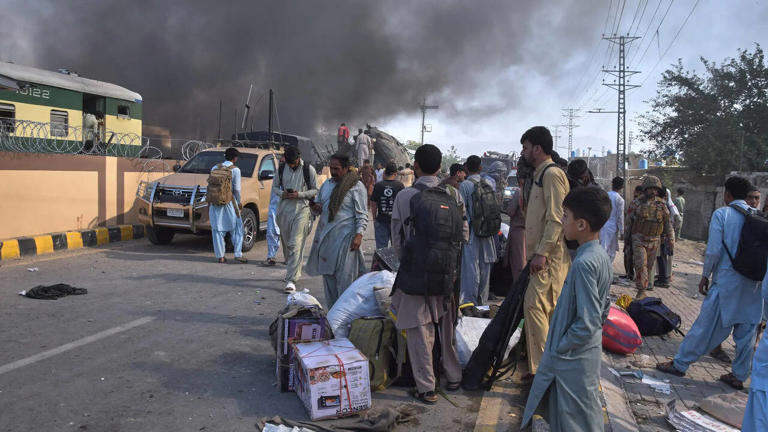
On 2 March 2025 a residential building in Quetta, the capital of Pakistan’s Balochistan province, was devastated by an explosion caused by a gas leak. The blast claimed the lives of two people and injured eight others, who were taken to local hospitals for treatment. Quetta, perched at an altitude of 1,680 metres, is the nation’s highest‑lying major city. The urban centre, nestled in a valley surrounded by mountains, has expanded rapidly in recent years and now houses more than 1.7 million residents.
Its population reflects a blend of Pashtun and Baloch cultures and carries the legacy of British colonial rule. The tragedy highlights longstanding concerns over the city’s aging infrastructure.
Extreme weather conditions typical of the high‑altitude environment—such as sudden cold snaps—can stress old gas pipelines, causing cracks or pressure surges that may lead to ruptures. In this instance, a failure in the gas line triggered the explosion. Authorities have not yet disclosed how many other homes in Quetta rely on similar gas installations, nor how many families might be exposed to comparable risks.
The incident underscores the urgency of upgrading safety standards and improving emergency response capabilities, especially in a city of Quetta’s size and topography. While the Pakistani government has announced plans to modernise utilities, the gap between ongoing projects and completed work remains a critical issue.
Experts suggest that transitioning to renewable energy sources such as solar and wind—both viable in high‑altitude valleys—could reduce dependence on combustible gas and lower the likelihood of similar disasters. The human cost of the blast is evident: eight survivors now face medical recovery, and two families mourn irreversible loss. The city must also bear the financial burden of clean‑up operations, medical expenses, and the strain placed on emergency services.
Quetta’s rich cultural heritage and striking natural surroundings are undeniable assets, yet they do not mitigate the dangers posed by outdated gas infrastructure. Preventing future incidents will require decisive action: stricter safety protocols, investment in modern energy alternatives, and a robust emergency framework tailored to the challenges of an elevated, rapidly growing urban centre.
The March 2 explosion serves as a stark reminder that the combination of aging utilities and extreme weather can have fatal consequences. Whether local authorities and policymakers act swiftly to address these vulnerabilities—or wait for another tragedy—remains the pivotal question facing Quetta’s future.




