
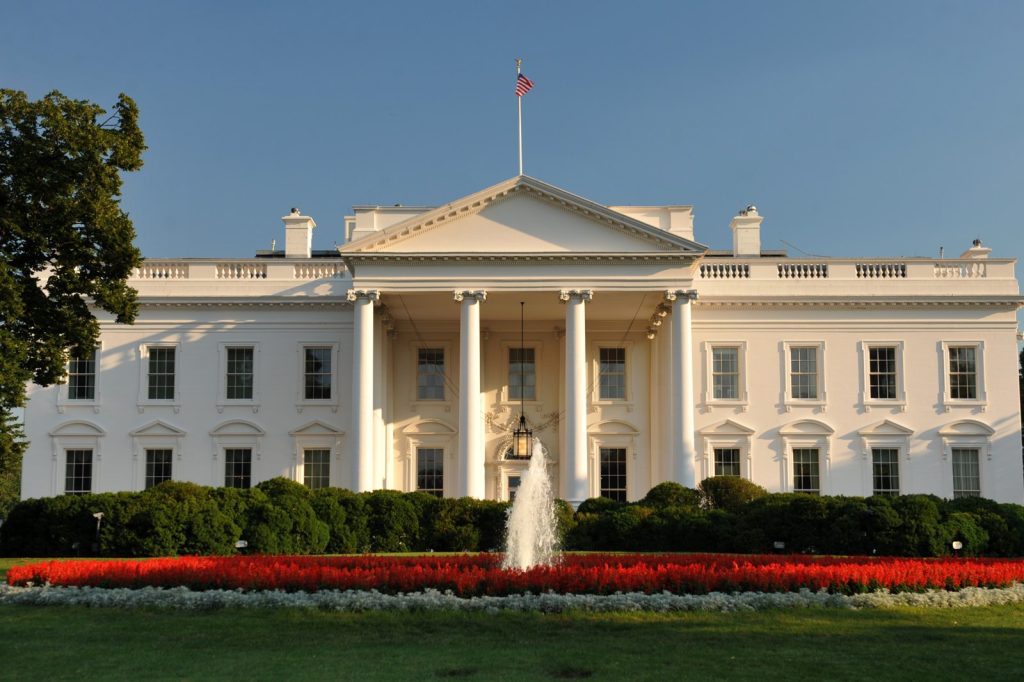
The latest round of executive actions from the White House this week did not emerge in a vacuum. They followed months of internal debate over how to balance domestic needs with a hardening posture toward Moscow. The result is a set of orders that, taken together, signal a shift in priorities — one that ties energy security directly to foreign policy leverage.
On the foreign policy front, the administration renewed a national emergency first declared years ago. The specific target: Russian-affiliated vessels.
The Continuation of the National Emergency and of the Emergency Authority Relating to the Regulation of the Anchorage and Movement of Russian-Affiliated Vessels to United States Ports keeps in place restrictions that limit what Russian ships can do in American harbors. This is not a new policy. It is a continuation.
But the timing matters. With the war in Ukraine grinding into its fourth year, and with European allies pressing for sustained pressure on the Kremlin, the renewal sends a clear message that the United States is not easing up.
The domestic actions tell a different story, one about infrastructure and health care. The administration authorized three companies to operate and maintain existing pipeline facilities at the U.S.-Canada border. Enbridge Pipelines (Southern Lights) L.L.C., Enbridge Energy, Limited Partnership, and Bakken Pipeline Company LP all received the go-ahead.
These are not new pipelines. They are existing ones. But the authorization keeps oil and gas moving across the border without interruption.
For an administration that has made energy independence a central goal, this is a routine but necessary step. It prevents bureaucratic slowdowns from halting the flow of fuel.
Then there is the mental health initiative. The administration took steps to accelerate medical treatments for serious mental illness. The language in the report is broad — “accelerate medical treatments” — but the intent is clear.
The White House is trying to cut through regulatory red tape that often slows down new therapies for conditions like schizophrenia and severe depression. This is a domestic priority that has drawn bipartisan interest in the past.
Lawmakers from both parties have complained that the Food and Drug Administration and other agencies take too long to approve treatments for mental illness compared to physical ailments. The executive action does not solve that entirely, but it sets a new pace. Why now?
The answer lies in the calendar. The week of April 12, 2026, marks a period when the administration is looking to shore up its record ahead of midterm elections. Voters consistently rank health care and the economy as top concerns.
Energy prices remain volatile. The war in Ukraine has no end in sight.
Each of these actions speaks to a different constituency. The pipeline authorizations reassure energy industry workers and investors. The mental health initiative appeals to families affected by serious illness.
The Russian vessel restrictions satisfy national security hawks. Critics will note that none of these actions are new legislation.
They are executive orders and administrative continuations, which can be reversed by a future president. Supporters will argue that they represent steady governance — keeping existing policies in place while making incremental progress. Either way, the week’s output reflects a White House that is playing defense on some fronts and offense on others.
The pipeline authorizations, in particular, highlight a tension within the administration. On one hand, the White House has pushed for renewable energy investments. On the other, it is authorizing the continued operation of fossil fuel infrastructure.
That is not a contradiction so much as a recognition of reality. The economy still runs on oil and gas.
Until that changes, the pipelines must keep running.




