
Two blockades have squeezed the Strait of Hormuz this year. Iran has largely shut the waterway since 28 February, the day the United States and Israel opened an air war against it. From 13 April, the U.S. Navy added a second chokehold by sealing off Iranian ports. The Guardian called the arrangement a “dual blockade.”
The numbers explain why the world noticed. About 20 million barrels of oil a day normally move through the strait, which is only 34 kilometres across at its narrowest point. In 2024, an estimated 84% of the crude oil and condensate shipped through it was headed to Asia, and China received a third of its oil by this route. Europe draws 12% to 14% of its LNG from Qatar through the same passage.
How the closure unfolded
Within hours of the first strikes, Iran’s Revolutionary Guard Corps radioed ships in the strait to say none would be allowed through. The Guard also boarded and attacked merchant vessels and laid sea mines. On 27 March it declared the strait shut to any vessel travelling “to and from” ports of the U.S., Israel and their allies.
Tanker traffic dropped to nearly zero. By 21 April, the International Maritime Organization counted about 20,000 mariners and 2,000 ships stuck in the Persian Gulf.
Prices jumped. Brent crude passed US$100 per barrel on 8 March, a first in four years, and later peaked at US$126. March recorded the largest monthly increase in oil prices ever. Aluminum, fertilizer and helium markets took hits as well.
A ceasefire, a blockade, a deal
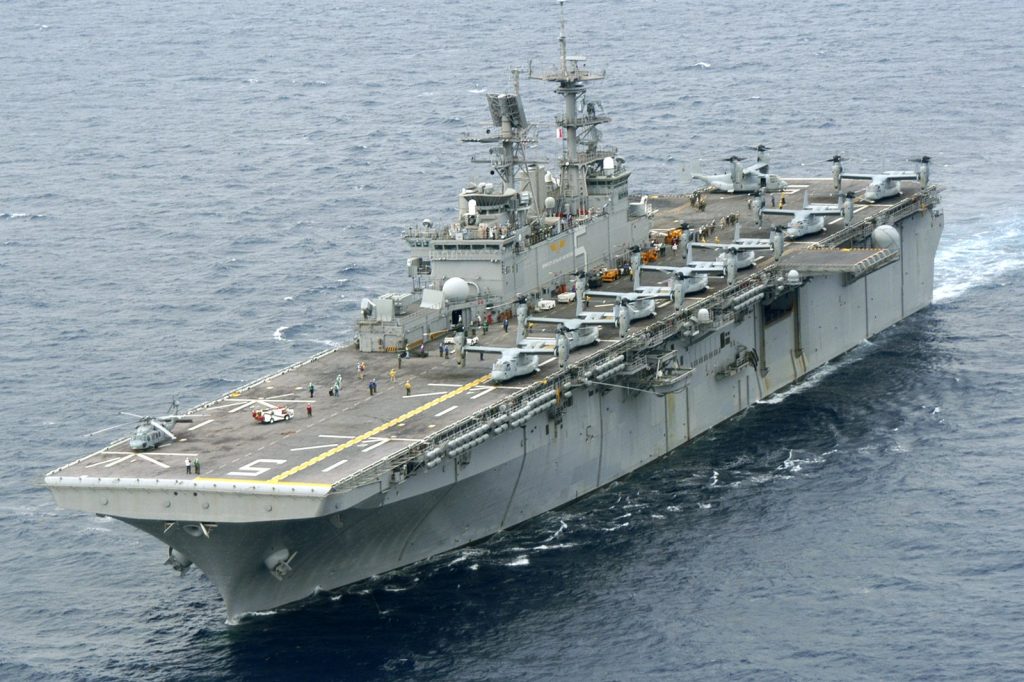
A temporary ceasefire on 8 April was supposed to bring the strait back into use. Talks in Islamabad collapsed instead, and five days later the Navy began its blockade of Iranian ports. Business Insider reported that U.S. forces committed more than 20 warships and 200 aircraft. Over roughly two months they redirected nearly 150 commercial vessels and disabled nine ships that “did not comply,” the Pentagon said. On several occasions, American aircraft fired missiles into the engine rooms of oil tankers.
Then came 17 June. President Donald Trump and Iranian President Masoud Pezeshkian signed a 14-point memorandum of understanding electronically, aiming to end the war. Two provisions covered the strait. Commercial ships were to be able to start moving “immediately,” and Iran agreed to a 60-day toll-free pass. Before the war, Iran had charged no transit fees, though it repeatedly threatened to turn its control of the waterway into a revenue stream.
The U.S. side promised to start lifting its blockade at once and finish within 30 days. If a final deal followed, American forces in the region would return to pre-conflict levels within 30 days. Oil slipped around 2% on the news, with U.S. WTI crude at just over $75 per barrel, and U.S. gasoline fell below $4 per gallon for the first time since March.
The strait itself barely reacted. Kpler counted six verified crossings as of 17 June, and said the morning after the signing that crossings were “still at historic lows.”
What happened next
The agreement did not hold. On 20 June Iran said it had closed the strait again, pointing to Israeli strikes in southern Lebanon as a breach. The U.S. military denied that claim. A week later, a U.S. Navy-overseen center announced a wider route near Oman. On 8 July the interim truce collapsed after Iran struck multiple commercial ships in the strait.
By 25 August, U.S. officials confirmed that the Navy had cleared mines from the traffic separation scheme, with underwater drones flagging more than 100 suspected mines over recent months.
Shipments have since recovered. Kpler data showed Middle Eastern oil exports, counting Hormuz and alternative routes, averaging above 24 million barrels per day in the week ending 18 October, against 23.3 million before the war. Preliminary estimates put flows through Hormuz at about 14 million barrels per day, or 82% of the pre-war level. Shipping costs remained high.
Sources
- 2026 Strait of Hormuz crisis – Wikipedia
- 2 key details about the Strait of Hormuz in the agreement Trump and Iran just signed
Sources
- 2026 Strait of Hormuz crisis – Wikipedia
- 2 Key Details About the Strait of Hormuz in the US-Iran Deal




