
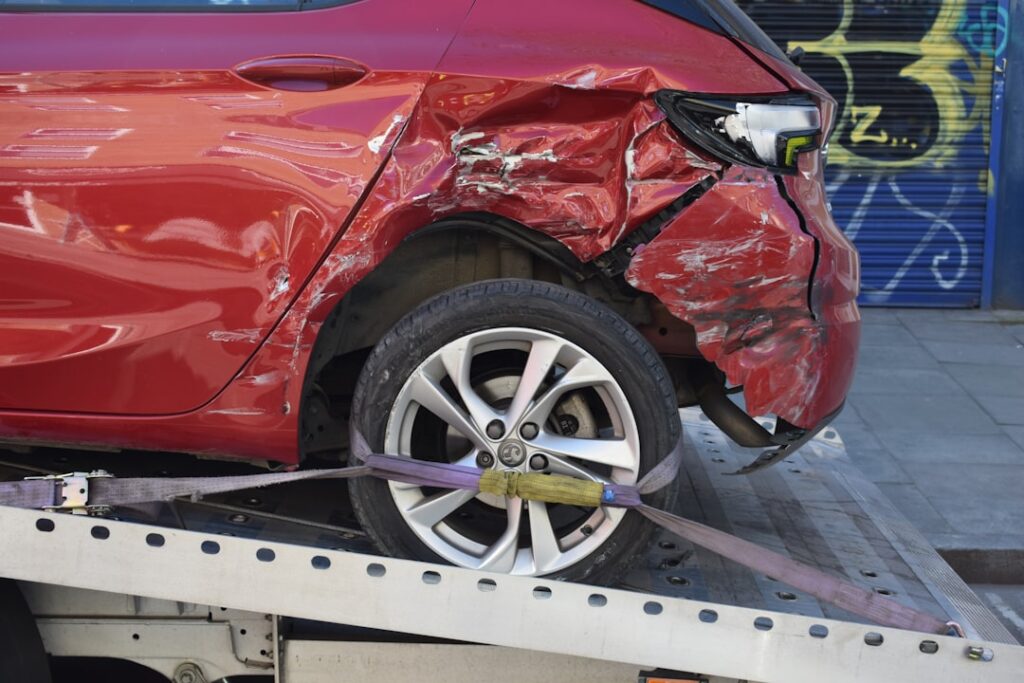
On April 17, 2026, a private bus traveling along a busy Yadgir thoroughfare was struck head‑on by a car, producing a catastrophic impact that left nine people dead and several others injured. The accident occurred on a road that serves as a daily conduit for commuters, students and market‑goers in Yadgir, the administrative centre of both Yadgir district and Yadgir Taluku.
The bus, which was carrying passengers to routine destinations, collided with the car at high speed. The force of the crash was severe enough to cause immediate fatalities among occupants of both vehicles. Emergency responders transported the injured to nearby hospitals, where medical staff are currently treating trauma cases arising from the high‑velocity collision. Hospital personnel report that they are operating at capacity, monitoring patients whose conditions range from serious to critical.
Families of the victims have gathered at the hospitals, awaiting confirmation of the fate of their loved ones. While some relatives receive the devastating news of loss, others learn that their family members survived but face extensive injuries. The nine confirmed deaths include passengers from the bus as well as the driver of the car, who also perished in the impact.
Authorities have opened a standard post‑crash investigation. Police and transport officials will examine the wreckage, assess road conditions, and review driver histories to determine whether mechanical failure, driver error, or roadway design contributed to the tragedy. The inquiry is expected to take time, a delay that grieving families find difficult as they proceed with funeral arrangements.
The incident has reignited discussion about road safety in Karnataka, particularly in rapidly growing hubs like Yadgir where narrow lanes, inadequate lighting and inconsistent traffic‑law enforcement are common. Critics point to the daily reality of buses and cars sharing congested routes, often under conditions of driver fatigue, as a systemic risk factor that can lead to head‑on collisions.
Transportation experts suggest that improving infrastructure and promoting cleaner, more reliable vehicles—such as electric or hybrid models—could mitigate some of these hazards. Investment in sustainable transport systems, combined with stricter enforcement of traffic regulations, is viewed as a potential pathway to reducing the frequency of such fatal accidents.
The private bus operator involved in the crash is likely to face scrutiny, though accountability is limited by the death of the car driver. Government officials, aware that Yadgir is a prominent district headquarters, are under pressure to respond beyond expressions of condolence. Stakeholders expect concrete measures, including road upgrades, better lighting, and enhanced vehicle safety standards, to prevent a repeat of this tragedy.
As the community mourns the loss of nine individuals, the broader question remains whether the lessons from this accident will translate into actionable improvements. The injured patients continue their recovery in hospitals, families hold vigils for the deceased, and investigators work to piece together the sequence of events. The outcome of this process will determine if future bus trips across Yadgir’s roads become safer or if the region will endure another preventable loss.




